
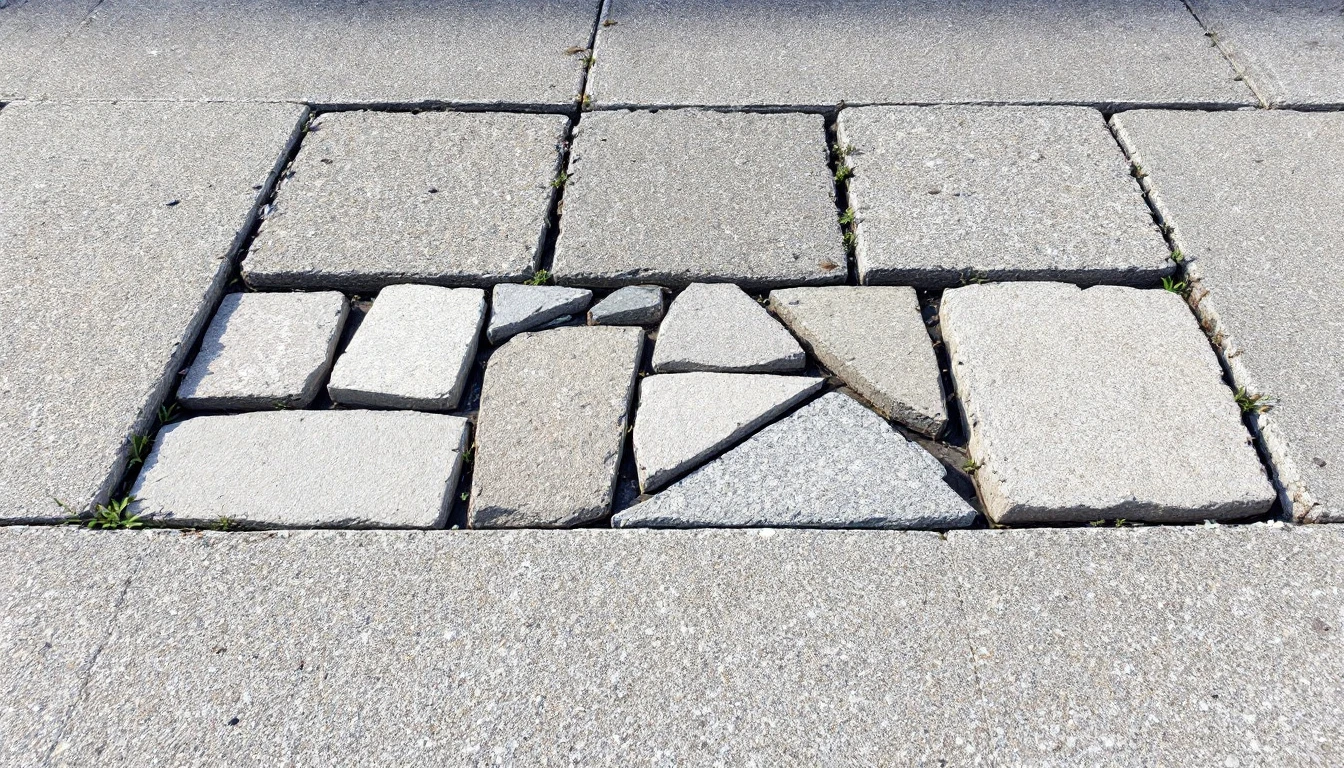
Driveways almost never get repaired with the exact same material they were built with years earlier. Suppliers switch, product lines get discontinued, aggregate sources shift, and the sun and weather quietly change how the original surface looks over time. That's exactly why holding onto a driveway material sample turns out to be one of those small, unglamorous habits that actually matters. Save a small piece of your driveway material, plus the installation paperwork and product details, and you'll have something real to hand a contractor when repair time eventually rolls around. Rather than trying to explain "sort of a gray concrete" from memory, or guess which paver brand was used eight years ago, you've got an actual reference in hand and the documentation to back it up. It's a simple habit, but it can make repairs down the line a lot easier to plan, and it cuts down the odds of a patch job that sticks out like a sore thumb.
Why This Matters
A brand-new driveway usually looks pretty seamless. Give it a few years, though, and the surface starts developing its own color, texture, and weathering — its own personality, basically.
That means a repaired patch can end up looking different even when the contractor used a perfectly appropriate material. Concrete might show a different aggregate look. Asphalt can end up with a noticeably different texture. Replacement pavers might come in a shade or finish that's just slightly off from the originals.
Keeping a sample won't guarantee an invisible repair; the rest of the driveway keeps aging regardless. But it does hand your contractor real information about what went down originally, instead of leaving them to guess.
For asphalt specifically, things like aggregate gradation, the asphalt binder used, and overall mixture properties are all part of a proper material record. Paving contracts identify a specific job mix rather than just "asphalt," and that mix is what you want on file.
What's Worth Saving
What you keep depends on what kind of driveway you've got. And to be clear, the goal here isn't hoarding buckets of leftover paving material; it's keeping just enough to identify the original product or mix later.
Concrete Driveways
If there's leftover material from the original pour that can be safely kept, grab a small piece. But honestly, the paperwork from your concrete contractor matters more than the physical chunk. Worth holding onto:
- Supplier and product info
- Mix design or the specified strength
- Integral color name or product code, if one was used
- Aggregate details, if you can get them
- Installation date
- Contractor's contact info
- Photos taken right after the pour
If there was extra concrete poured for a small test patch or side project, that leftover piece can double as a decent physical reference too. Don't cut or drill into a finished driveway just to manufacture a sample. That creates an unnecessary weak spot and can genuinely damage a surface that was otherwise fine.
Asphalt Driveways
For asphalt, the paperwork tends to be more useful than an actual chunk of pavement. Ask your contractor whether they can give you:
- Mix type or job mix info
- Asphalt supplier or plant details
- Aggregate source, if it's documented
- Binder specification
- Recycled asphalt content, if applicable
- Installation date
- Delivery or material tickets
- Photos of the finished surface
This is why the paperwork matters. Asphalt mixtures are specified and checked on things like asphalt content, aggregate gradation, and volumetric properties, which is a fancy way of saying "asphalt isn't just asphalt." If your contractor thinks it's worth keeping a physical sample too, let them handle the collection, there are proper ways to package and store it.
Pavers and Natural Stone
Paver driveways are almost tailor-made for this kind of record-keeping. Got leftover pavers from the install? Keep a handful of complete ones somewhere dry and protected. Write down the manufacturer, product line, color, size, and batch number if you can find it. For natural stone, hang onto the product name, stone type, supplier, and whatever installation details you can gather.
And don't assume a paver with a similar name years from now will actually look the same. Manufacturing runs change, and natural materials vary batch to batch. What's labeled "identical" today might not match what you remember.
How to Actually Store the Sample
Clean, dry, and out of direct sunlight — that's really the whole formula. A garage cabinet or an indoor storage spot works fine. Don't leave samples sitting outside, where sun, moisture, dirt, and temperature swings will change how they look before you even need them. Label everything. Something as simple as this covers the basics:
Concrete driveway | Installed 2026 | Pewter color | ABC Concrete | Front driveway
That one line can save you a lot of guesswork years down the road.
Back It Up Digitally Too
Physical samples are great, but they shouldn't be the only thing you're relying on. Take good photos of the driveway when it's new from several angles, plus close-ups that show off aggregate, texture, paver patterns, or color detail. Keep digital copies of:
- Material invoices
- Product labels
- Contractor estimates
- Installation records
- Warranty paperwork
- Material tickets
- Before-and-after repair photos
Put it all somewhere you'll actually be able to find years later. A folder simply labeled "Driveway Records" beats having everything scattered across thousands of random phone photos.
Putting the Sample to Use When Repairs Come Up
Eventually a crack shows up, or a pothole, a stain, a broken paver. Whatever it is, bring your records along when you call the contractor. The physical sample helps pin down the original material; the photos and paperwork fill in everything else.
Samples Help but They Don't Perform Miracles
No sample is going to make a decade-old driveway look freshly poured again. Concrete changes color as it ages. Asphalt oxidizes and weathers. Pavers fade or pick up surface wear. Add in tire marks, sealers, stains, and years of cleaning, and the surface you're matching against today isn't the surface that got installed originally.
A good contractor looks at the existing driveway and figures out whether a proposed repair material will actually work with it, not just whether it matches your sample's color on paper.
Consider a "Driveway Passport"
Build a simple physical-and-digital record and keep it all together. Sample, invoices, photos, product info, contractor details, repair history, the works. If you ever sell the house, hand this along to the next owner too. A new homeowner has no way of knowing, just by looking, whether that driveway is asphalt, decorative concrete, natural stone, or some specific paver system. Good documentation clears that up instantly.
A solid driveway record should cover:
- Installation date
- Material type
- Manufacturer and product name
- Color or finish
- Supplier
- Contractor
- Material documentation
- Warranty info
- Maintenance dates
- Repair history
- Photographs
- Saved physical samples
Final Thoughts
Keeping a driveway material sample is a small, easy-to-skip part of long-term driveway care, mostly because nobody thinks about it while the surface still looks brand new. Saving the right samples, product info, photos, invoices, and installation records now gives you something genuinely useful when repairs come up years down the road.
The trick is documenting without damaging anything. Store your samples properly, keep digital backups going, and hold onto enough detail to actually identify what's underneath your feet.
At Drivewayz USA, we want homeowners making informed calls on driveway installation, maintenance, repairs, and material choices. A well-documented driveway is simply easier to live with and easier to maintain over the years. Visit Drivewayz USA for more driveway guides and professional resources for your next project.
Frequently Asked Questions
It's the practice of saving a small, representative piece of your driveway material when it's practical to do so, along with product info, installation records, and photos — all of it there to help identify the original material whenever repairs come up.
No, not generally. Don't cut or drill an intact driveway purely to create a sample. Instead, ask your contractor whether leftover material or records already exist. For future projects, plan on saving a sample during the actual installation.
The installation date, contractor and supplier info, mix details, material tickets, and any paperwork identifying the asphalt mixture and aggregate source.
Often, yes — a qualified contractor can inspect what's there and identify the likely material or product family, and testing is sometimes an option too. That said, an exact match gets tougher the older the driveway is, especially if the original product's been discontinued.
Somewhere clean, dry, and out of direct sun and excess moisture. Label it with the material type, installation year, manufacturer, product name, and which driveway it's from, then back all of that up digitally so you're not relying on one physical copy.