
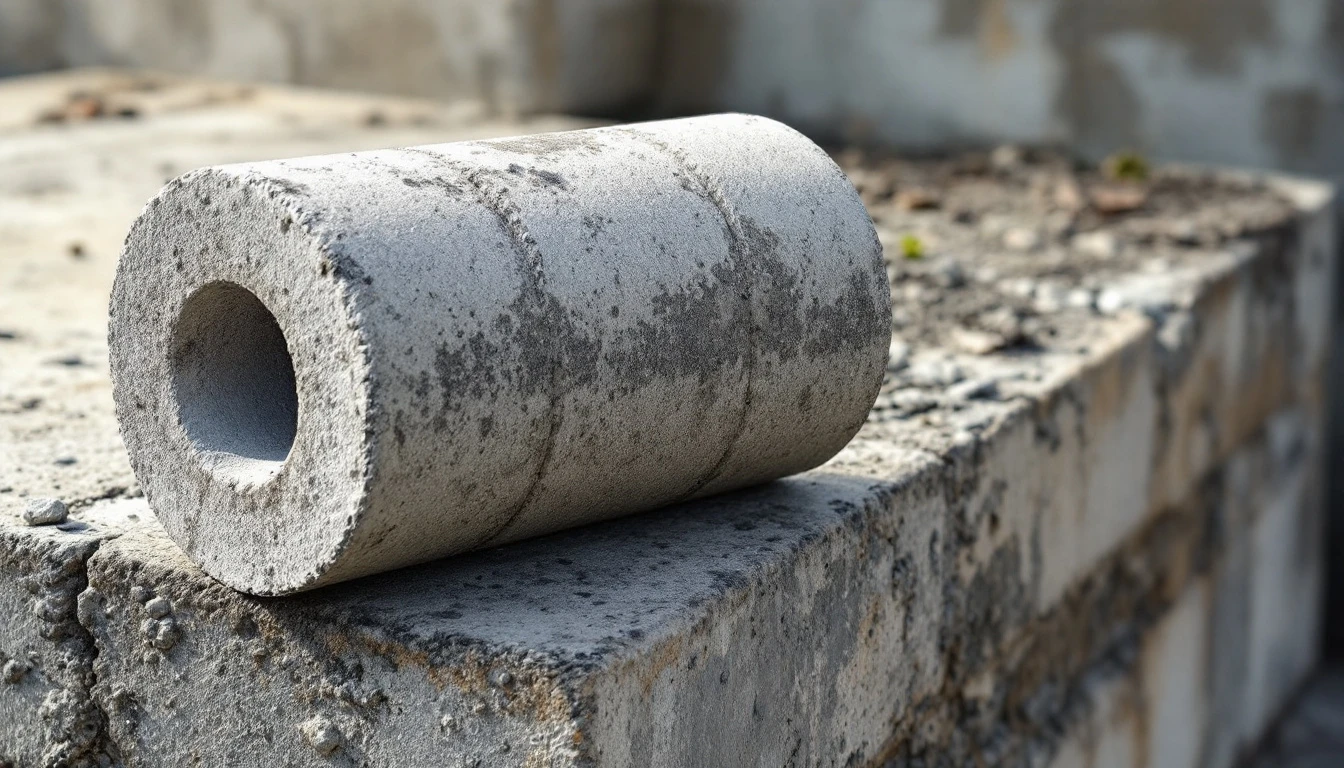
A freshly poured driveway can look flawless from where you're standing, smooth, even, crack-free and still hide a problem you'd never catch with your eyes. If your contract called for a specific thickness, looking at the surface won't tell you whether that thickness was actually delivered. That's where driveway core sample testing comes in. It's the only reliable way to see what's happening below the surface and confirm the real driveway thickness. This kind of testing tends to come up in a few situations, when something feels off about the construction quality, when there's a real dispute brewing, or when someone's trying to figure out what shape an older driveway is in before sinking money into repairs. Rather than guessing, a technician pulls a small cylindrical sample out of the pavement and looks at it directly. For concrete, there are two ASTM standards worth knowing. ASTM C174 lays out the method for measuring thickness from a drilled core. ASTM C42 covers the process of pulling and testing cores when you also need something like compressive strength data.
What Core Sample Testing Involves
At its core, this test means drilling a cylindrical plug out of the driveway and measuring it to find the real thickness. Depending on why the test is being done, that sample might also head to a lab for further analysis.
Technicians typically use a diamond core drill to cut through the slab. What comes out is a literal cross-section of the pavement, far more trustworthy than eyeballing an exposed edge or just assuming the crew hit the specified depth everywhere.
Example
A homeowner's contract calls for a 5-inch slab. The finished driveway looks great. Months later, though, they start suspecting the contractor didn't actually pour that much concrete. A core pulled from the right spot gives them hard evidence, not a guess, about the thickness at that location.
Remember a single core only tells you about one spot. Whether you need more samples to say anything meaningful about the whole driveway is a judgment call a professional should make.
Why Driveway Thickness Matters
It Affects How the Driveway Holds Up
Thickness is a core part of how a concrete driveway is engineered, since the slab has to absorb repeated loading from vehicles over years. Thickness isn't the whole story, subgrade prep, base material, the concrete mix itself, reinforcement, drainage, where the joints sit, how it was cured, local climate, and how much traffic it sees all play a role too.
A driveway that only ever sees a sedan has very different demands than one that regularly hosts a pickup, a boat trailer, or a delivery truck. That's exactly why it makes more sense to compare your measured thickness against what your specific project called for, rather than chasing some generic "correct" number.
A Surface Inspection Only Tells Half the Story
Walking the driveway and looking for cracks, sinking, scaling, wear patterns, or drainage issues is genuinely useful. But it won't tell you whether the crew hit the specified depth from end to end. A driveway can look completely normal on top while still falling short underneath. Core testing turns that invisible gap into something you can actually document.
When Core Testing Makes Sense
Right After a New Installation
If you have a specific reason to question whether a brand-new driveway meets what was agreed to, core testing is worth considering. Compare the result against whatever minimum thickness your contract specifies. Hang onto your contract, plans, invoices, and photos, since you may need them to make sense of the result later. A thinner-than-expected core doesn't automatically mean fraud or negligence. The number needs to be weighed against the actual spec and exactly where the sample came from.
Before Committing to Major Repairs
Older driveways benefit from testing too, especially before a big rehab project. If you're staring down a costly overlay or resurfacing job, it helps to know what you're actually working with underneath. Core samples can reveal existing thickness and, when needed, that information helps a professional to recommend repair, resurfacing, or full replacement.
When There's a Dispute
If a homeowner and contractor disagree about whether the driveway matches the contract, hard numbers beat opinions every time. A properly documented test, one that records exactly where samples came from and what was measured, carries far more weight than someone drilling a hole in their own driveway and eyeballing a ruler, especially if things end up in a formal dispute.
How the Testing Process Works
Step 1
Picking the spots: The tester decides where to drill based on the driveway's layout, any visible trouble spots, existing construction records, areas under suspicion, and the overall goal of the investigation. If the point is to assess the whole driveway, drilling wherever's easiest isn't going to cut it.
Step 2
Drilling the core: A diamond core drill cuts through the slab and pulls out a cylindrical section. It's a small hole, but it's still an invasive test. So the area needs to be checked for buried utilities or other hazards beforehand. Once the sample's out, the hole gets patched properly.
Step 3
Measuring and analyzing: For a thickness question, the core gets measured following the applicable procedure. ASTM C174 specifically covers measuring thickness from drilled cores of concrete pavements and slabs. If strength testing is part of the picture too, ASTM C42 outlines how to pull, prep, and test the cores. It matters which method was used, because a quick field measurement isn't the same thing as a full lab analysis.
Step 4
Comparing against the spec: The measured thickness gets checked against what the project actually required. If your contract sets a minimum and the core comes in under that number, you now have a factual result to bring to your contractor. But that alone doesn't mean the whole driveway has failed. The sample location, the original spec, and how the test was run all need a second look before jumping to conclusions.
Does Drilling a Core Damage the Driveway?
Yes, there's no getting around the fact that removing a section of pavement counts as invasive. But that doesn't mean you're left with a wrecked driveway. The sample itself is small, and the hole gets patched with an appropriate repair material afterward. Choosing the drilling location carefully means you get useful data without creating damage you didn't need to create.
What If the Slab Comes Back Too Thin?
Don't jump straight to "the whole driveway needs replacing." Start by reviewing the test report alongside your original project documents, and confirm the core was pulled from a representative spot using a sound method.
From there, bring the results to your contractor and talk it through. Depending on how bad and how widespread the shortfall is, the fix might range from more testing, to a localized patch, to partial or full replacement. A qualified professional should also weigh in on other factors like the subgrade, reinforcement, drainage, concrete strength, and any existing cracking, since those all affect how the driveway performs long-term.
What Does This Testing Cost?
There's no single honest answer here. Cost swings based on the number of cores needed, how accessible the site is, travel distance, equipment, lab fees, reporting requirements, and whether strength testing is bundled in.
Skip the generic online price estimates and ask for an itemized quote instead. Find out exactly what's included like the drilling, lab analysis, a written report, travel, and patching the holes afterward. A thickness-only job and one that also includes strength testing are simply different scopes of work, so compare quotes with that in mind.
What Is in a Core Testing Report
A solid report should be easy to follow and clearly tie the results back to your specific driveway. Depending on the scope, expect to see:
- Property and project details
- Where each core was taken
- Measured dimensions or thickness
- The testing method used
- Lab results, if any were run
- How results compare to the project spec
- Photos or sample documentation, where applicable
- Notes on testing conditions or limitations
A good report keeps a clear line between raw measurements and any professional interpretation layered on top.
Final Thoughts
Core sample testing answers a question a visual inspection simply can't. How thick is the pavement, really, at this exact spot? For homeowners, contractors, buyers, and anyone managing a construction project, a verified thickness measurement becomes valuable the moment construction quality is questioned or an aging driveway needs a closer look.
At Drivewayz USA, we're here to help homeowners make smarter, better-informed calls about driveway construction, maintenance, repair, and replacement. Whether you're planning something new or trying to understand what's going on with an existing driveway, having reliable information makes the next step a lot easier to choose. Visit Drivewayz USA to explore more driveway resources and get help with your project.
Frequently Asked Questions
It's the process of pulling a cylindrical sample out of a driveway so its thickness, if needed, other material properties can be examined directly. For concrete, ASTM C174 is the recognized standard for measuring thickness from a drilled core.
A properly pulled core sample gives you a direct thickness measurement at that specific location. Compare that number against whatever's specified in your contract, plans, or other project requirements.
Yes. Drilled cores can be tested for compressive strength, with ASTM C42 covering how to obtain, prepare, and test them. Strength results should be interpreted by a qualified professional, since how the sample was taken and tested can influence the outcome.
No, it's a specialized test, not a routine one. It tends to make sense when there's real uncertainty about thickness, an active dispute with a contractor, suspected structural issues, or a big repair decision on the table.
Drilling does leave a small hole, since a section of pavement has to come out. But that hole gets patched properly afterward, and when the job is planned and executed well, it doesn't leave lasting or widespread damage.