
If you're getting quotes for a new driveway, you've probably already noticed that contractors don't all recommend the same thickness. One says 4 inches is plenty. Another pushes you toward 5 or 6. So who's right? Thickness plays a real role in how your driveway handles the weight of your vehicles and whether it cracks down the road, but it's not the only factor. It's definitely not something you should decide based on price alone.
Which Is Better? 4, 5, or 6 Inches?
4 inches: It is the go-to for a typical residential driveway that mostly sees cars, sedans, and smaller SUVs. If you've got two family vehicles and nothing heavier rolling through on a regular basis, and the base underneath is prepared correctly, 4 inches usually does the job just fine.
5 inches: It suits better once you're regularly parking or driving something heavier like a full-size pickup, a work van, or a trailer. It's also worth considering if your site conditions or driveway layout put extra stress on the slab. Don't upgrade just because a bigger number sounds safer.
6 inches: It is really for driveways that need to hold up under RVs, heavy vehicles, or delivery trucks on a consistent basis. If you're running anything closer to commercial use, it should be engineered around your actual traffic, not a residential rule of thumb.
Thickness Isn't Everything
Here's something that surprises a lot of homeowners, concrete is pretty weak when it comes to bending or flexing. It handles compression really well, but if the ground underneath shifts or isn't properly supported, the slab can flex and that's when cracks start creeping in.
Example
Picture two driveways side by side. One is poured 6 inches thick but sits on soil that was never properly compacted. The other is only 4 inches, but the crew took the time to prep and compact the base correctly. Which one do you think holds up better over the years? It's not the thicker one. Durability comes from how the driveway is built as a system, not with the slab alone
Why the Base Matters Are Important as Much as the Concrete
Before concrete gets poured, the soil needs proper prep. The aggregate base underneath needs to be placed and compacted the right way. Skip that step, or rush it, and you're signing up for uneven settling, even if the concrete itself is high quality.
This is a big issue if you're dealing with clay-heavy or poorly draining soil. When sections of ground settle at different rates, your slab ends up trying to "bridge" gaps it was never designed to bridge. That's the root cause for cracking, no matter how thick the concrete is.
So when you're comparing driveway quotes, don't just ask about slab thickness. Ask what base prep is actually included. That question alone will tell you a lot about which contractor is cutting corners.
Soil, Drainage, and Climate Everything Matters
A good contractor should be thinking about more than just "how many inches of concrete." Before finalizing a plan, they should be looking at:
- What the existing soil is like
- How water drains around the driveway
- How much aggregate base the site actually needs
- Local freeze-thaw conditions, if you're somewhere with cold winters
- What vehicles will realistically use the driveway
- Any local codes or permit requirements
Standing water underneath or beside a driveway is definitely bad. It weakens the support system over time, and in colder climates, freeze-thaw cycles make things worse. Sometimes the fix isn't more concrete at all. Sometimes it's better drainage or a more solid base.
Does Extra Thickness Cost More?
Yes, more concrete means more material, and that shows up in the price.
As a Rough Example
on a 600 square-foot driveway, bumping the thickness from 4 to 5 inches adds roughly 1.85 cubic yards of concrete (about 50 cubic feet.Also, Labor, reinforcement, whether the old driveway needs to be torn out, truck access, finishing work, and local ready-mix pricing all shift the final number. This is exactly why comparing a "cost per square foot" between two contractors can be misleading. Make sure you're comparing quotes built on the same specs.
Don't Forget the Edges
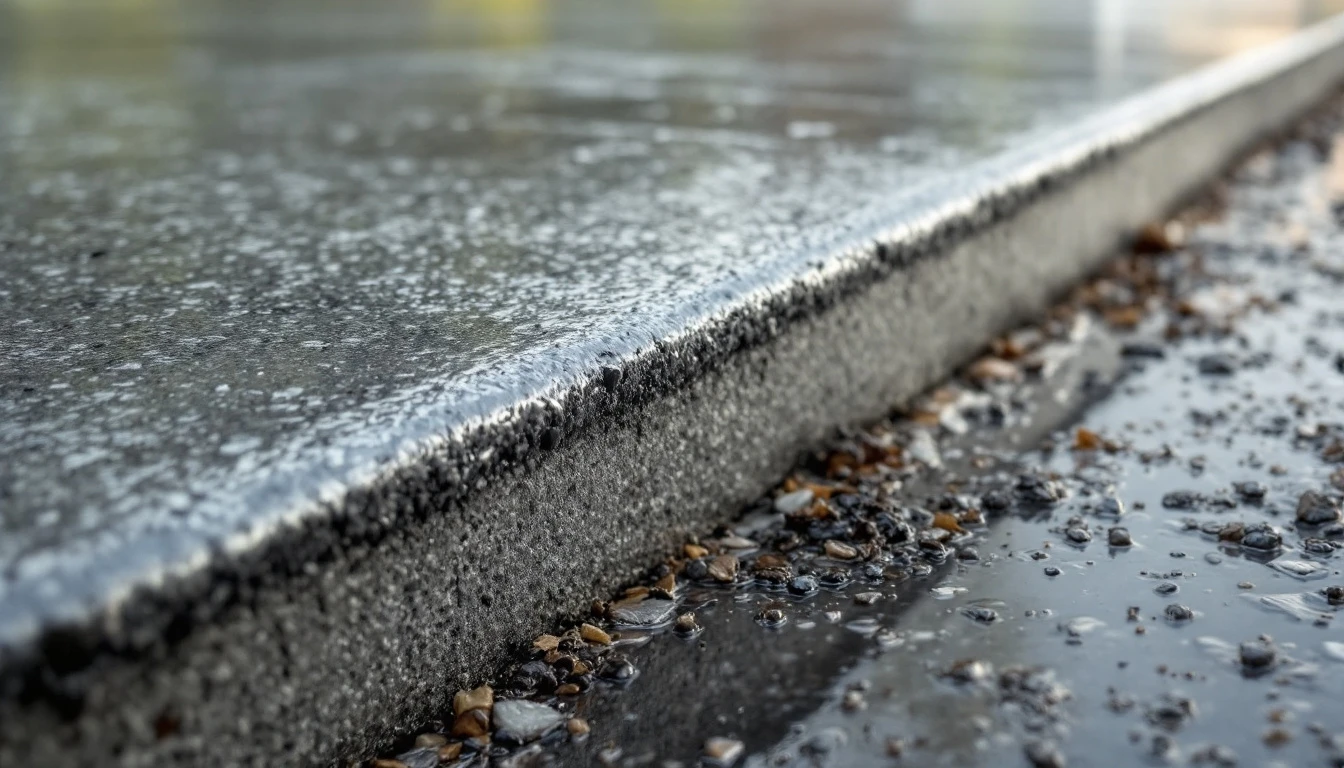
The edges of a driveway, especially where it meets the street, often take more abuse than the middle of the slab, since that's where tires travel closest to the border. Because of that, some projects call for thickened edges near the street. Concrete Network points out that contractors sometimes add 1 to 2 inches of extra thickness right at the edges for support. It's worth checking with your local municipality too. A lot of cities have their own specific requirements for the section of driveway that connects to the road.
Mistakes People Make When Choosing Thickness
The single biggest mistake? Picking a thickness based purely on the cheapest bid. It feels like a win at signing. A few years later you're wondering why the driveway is cracking under a truck it was never built to handle. A few other things that trip people up:
- Overlooking soil that wasn't properly compacted
- Treating drainage as an afterthought instead of part of the plan
- Assuming reinforcement means "no cracks, guaranteed"
- Skipping the planning stage for control joints
- Comparing quotes without checking whether thickness and base prep even match
- Not thinking ahead to future vehicle needs
- Ignoring local apron and code requirements
If you're not sure whether a standard spec fits your property, it's worth having a professional actually walk the site before you commit to anything.
Final Thoughts
Start the driveway planning considering your soil, drainage, climate, and any local rules. For most residential driveways carrying regular cars, 4 inches is a sensible baseline. But heavier, more frequent vehicle use is a good reason to move up to 5 or 6.
Before you sign anything, ask the contractor about the slab thickness, base prep, reinforcement plan, joint layout, and drainage details clearly. A driveway is one of those projects where the boring paperwork upfront saves you a lot of headaches later.
Thick concrete can't fix bad soil prep, poor drainage, missing joints, or sloppy installation. Durability comes from the whole system working together, not just the depth of the pour. For more on driveway materials, costs, and planning considerations, Drivewayz USA is a solid resource to check before starting your project.
Frequently Asked Questions
4 inches is typical for passenger vehicles, assuming the base is done right. Heavier use pushes that up to 5 or 6.
For most everyday residential use, yes, as long as the soil, base, and drainage are handled properly.
Not automatically. It helps with load capacity, but base prep, drainage, reinforcement, joints, and workmanship matter just as much, if not more.
More concrete means more material cost. But total price also depends on driveway size, labor, site prep, reinforcement, removal of the old driveway, and local rates.
Usually, yes, but the right call depends on soil, base, drainage, and local codes, not thickness alone.