
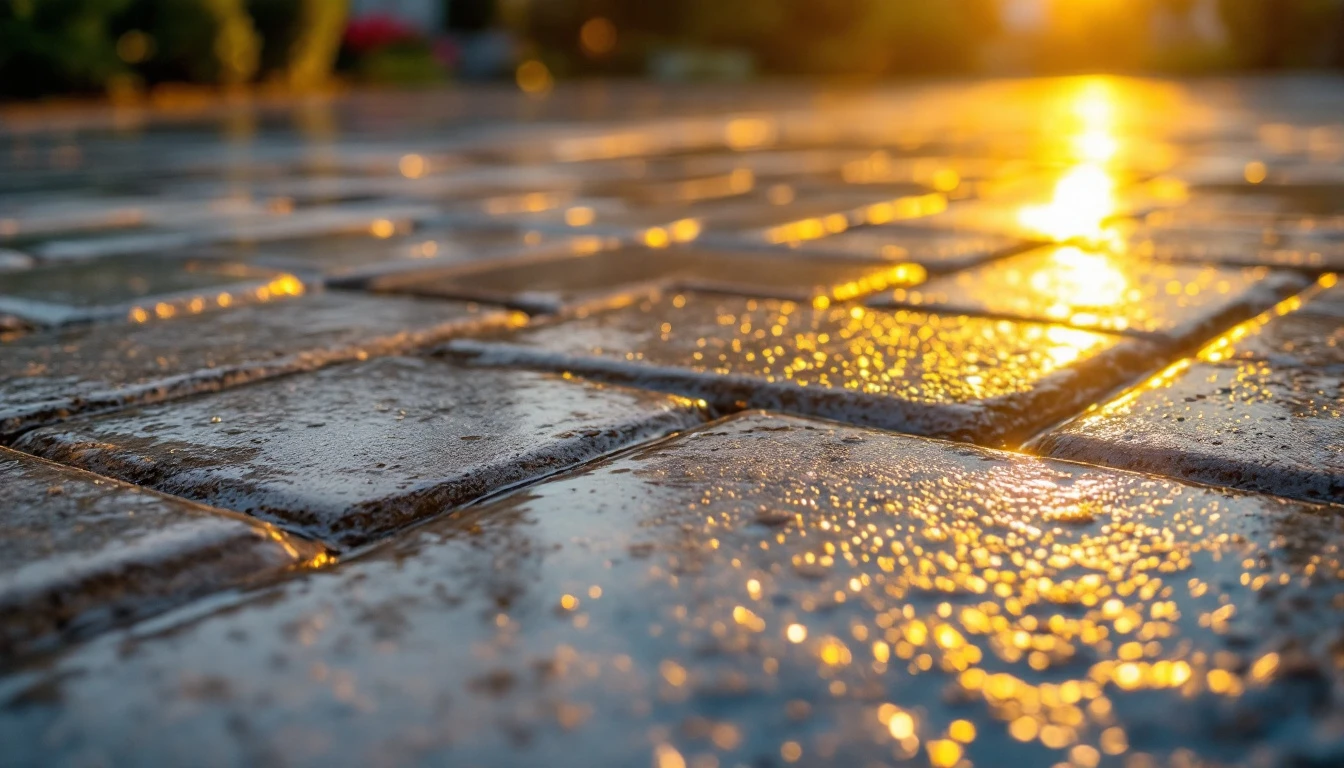
Driveway takes a lot of beating. Sun bakes it, rain soaks into it, tires grind across it day after day, oil drips onto it, and the ground beneath it expands and contracts with every temperature swing. If you've got a concrete driveway or another masonry surface that's a good match for it, a water-based acrylic sealer is one of the more accessible ways to give that surface some extra protection. Homeowners tend to gravitate toward the water-based versions for various reasons like, less smell, easier cleanup, and more. Unlike sealers that soak down into the pavement, these form a thin film right on top of the surface. Depending on which product you pick, that can come out matte, satin, or glossy. It also helps cut down on water absorption, staining, surface wear, and the kind of fading that comes from years in the sun.
What Is a Water-Based Acrylic Sealer?
At its core, a water-based acrylic sealer is just acrylic polymer suspended in water. You roll or spray it on, the water evaporates off, and what's left behind is a thin acrylic film sitting on top of your driveway. Not every acrylic sealer works on every surface. A sealer built for concrete isn't automatically fit for asphalt, natural stone, clay brick, or every paver on the market. Research well and decide which acrylic sealer fits your surface.
Why Is the Acrylic Sealer Important?
It Cuts Down on Water Getting In
Concrete is porous, water works its way into the surface, and that's a real problem. Especially once winter hits and that trapped moisture starts freezing and thawing repeatedly. A good acrylic film reduces how much water the surface soaks up in the first place.
Remember this isn't a fix for a driveway that already has drainage issues. If water's pooling somewhere it shouldn't, sorting that out is better. Sealing over a drainage problem just hides it.
It Fights UV Fading
Concrete left out in the sun year after year tends to go dull and look washed-out. A decent acrylic sealer slows that down and can genuinely bring some life back into the surface's color. This matters even more on decorative concrete. A stamped driveway that's gone flat and lifeless after a decade of sun exposure can look noticeably richer once it's been cleaned properly and resealed.
Less Smell, Easier Cleanup
This is probably the number one reason people choose water-based over solvent-based. These products generally carry lower odor and lower VOCs than their solvent-based counterparts. If you're working with a compatible product, you can usually wipe up spills or clean your tools with plain water before everything dries. That's a real advantage if you live somewhere neighbors are close by and strong chemical smells aren't welcome.
It Just Looks Better
A well-applied acrylic sealer gives concrete a cleaner, more finished look. You get some choice like a high-gloss product creates that classic "wet look," while something lower-gloss keeps things looking more natural if that's more your style.
It Adds Some Wear Resistance
Sealing helps the surface stand up better to foot and vehicle traffic, water, road salt, and general weathering. Remember sealing is maintenance, not repair. It won't fix a cracked slab, settle a sinking section, patch a pothole, or solve a bad base underneath the driveway.
Water-Based or Solvent-Based, Which One?
Both types can do their job on a compatible surface, but they're not interchangeable. Water-based products win on odor and cleanup convenience. Solvent-based sealers sometimes deliver a deeper color pop or a different wet-look finish, depending on the formula. Which one actually makes sense for your driveway comes down to the material you're sealing, the look you prefer, the weather you're working in, whatever coating might already be on there, and what the manufacturer recommends. Don't pick one just because the label says it's "stronger" or "shinier".
Applying It: Prep Matters More Than the Sealing Itself
Walk the Driveway First
Look for cracks, spalling, oil stains, loose material, old coatings, and any low spots where water tends to sit. Handle repairs before you even think about sealing.
Clean the Surface
Get rid of dirt, leaves, grease, oil, everything. A pressure washer can help, but dial in the pressure and nozzle so you're not damaging the surface. Any leftover contamination will mess with how well the sealer sticks.
Let It Dry Completely
Don't rush this part. Sealing over moisture trapped in the concrete can cause the finish to look bad and perform poorly. Follow whatever the manufacturer says about surface moisture, temperature, and drying time before you apply anything.
Go Thin, Go Even
Use whatever application method the product calls for, roller or sprayer. How far a gallon stretches depends a lot on how porous and textured your concrete is; some professional-grade water-based products cover somewhere around 175 to 225 square feet per gallon. If a second coat is called for, only apply it within the recoat window the manufacturer specifies.
Give It Real Time to Cure
Just because it feels dry to the touch doesn't mean it's ready for a car to park on it. Stick to the manufacturer's timeline for foot traffic, vehicle traffic, and full cure.
Weather plays a role too. Most water-based acrylics need a decent temperature window and dry conditions both during application and while curing. One well-known concrete sealer, for instance, calls for temps above 50°F and warns against applying it if rain looks likely.
How Long Will It Hold Up?
Honestly, it depends on the product itself, how many coats went down, how well the surface was prepped, how much traffic and sun the driveway sees, and how it's maintained afterward.
Some professional-grade water-based products are rated for roughly one to three years of service, though real-world results swing quite a bit depending on conditions.
Rather than marking your calendar, just keep an eye on the driveway itself. Fading, water no longer beading up on the surface, worn paths where tires roll, or a finish that's lost its shine are all signs it might be time to reseal.
Mistakes That Cut a Sealing Job Short
A handful of missteps show up again and again:
- Sealing over dirt, oil residue, or a failing old coating
- Piling the sealer on too thick
- Ignoring the temperature range on the label
- Applying it right before rain hits
- Using a concrete sealer on a surface it was never meant for
- Trying to mask cracks or drainage problems instead of fixing them
- Recoating without checking whether the new product plays nice with what's already there
What Does It Cost?
Pricing swings based on the size of the driveway, its current condition, the quality of product used, how much prep work is needed, and whether you're doing it yourself or hiring it out.
Skip the generic per-square-foot number you see online. It rarely tells the whole story. A professional quote typically bundles in cleaning, crack repair, prep, materials, labor, and some kind of warranty. Doing it yourself saves on labor but still means buying sealer, cleaning supplies, tools, and putting in your own time. Your best bet is getting an estimate specific to your actual driveway rather than trying to work backward from a national average.
Final Thoughts
A water-based acrylic sealer won't fix a driveway that's structurally compromised, but it's a genuinely useful piece of a broader concrete maintenance plan. You get moisture resistance, UV protection, a better-looking surface, and an application process that's manageable for most homeowners.
If you're planning a driveway installation, repair, or sealing project, Drivewayz USA offers practical guidance and can connect you with driveway professionals across the U.S. Check out the Drivewayz USA guides, and when you're ready, request a project-specific estimate.
Frequently Asked Questions
Not automatically. It comes down to what your driveway's made of and what the sealer's actually formulated for. A lot of water-based acrylics are built specifically for concrete and concrete pavers. Check the manufacturer's approved uses before you buy.
Neither one wins across the board. Water-based tends to be the pick for low odor and easy cleanup; solvent-based can offer a different look and performance profile. It really comes down to your surface, climate, existing coating, and what finish you want.
No, it's surface protection, not structural repair. Real cracks, settlement, spalling, or drainage issues need to be dealt with before you seal anything.
There's no set schedule that applies to every driveway. Watch for fading, wear, water no longer beading on the surface, and traffic-worn paths. How long a sealer lasts depends heavily on the product and what it's exposed to.
Better not to. Avoid applying if rain's in the forecast during the product's drying or curing window. Always check the label, since rain resistance and cure times differ from one formulation to the next.