
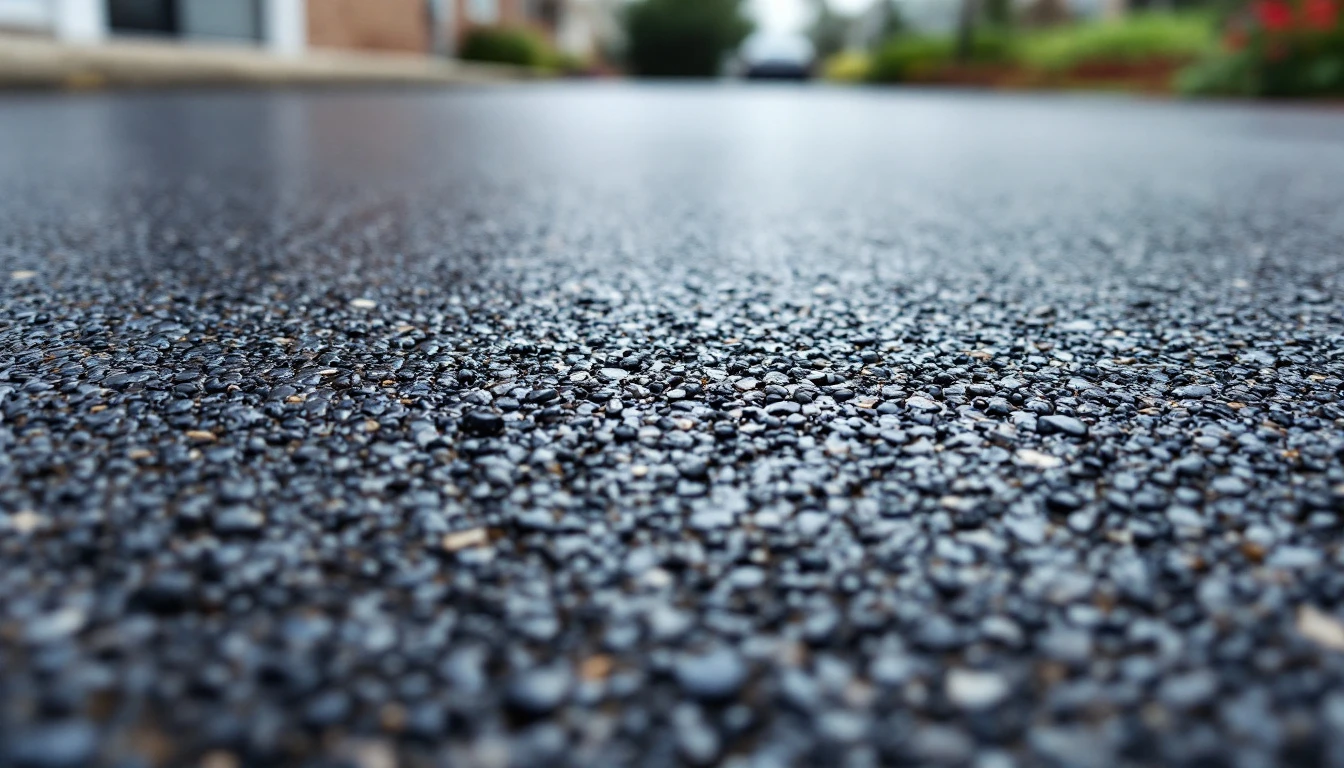
If you've ever watched a driveway go from smooth and black to cracked and gray in the space of a couple winters, you already know why sealing matters. It's not glamorous work, but it's one of those maintenance jobs that pays for itself many times over. A few hours with a squeegee now versus thousands in patching or repaving later. The tricky part isn't deciding whether to seal. It's figuring out which product actually deserves your money. Walk down the sealer aisle at any hardware store and you'll find a dozen buckets making similar promises. Here's what's actually worth knowing before you buy.
Why Bother Sealing at All?
Asphalt looks tough, but it's basically rock held together with a petroleum binder. That binder breaks down under sun, water, and chemical exposure over time. Left alone, a driveway starts losing its flexibility, the surface oxidizes and turns gray, and water works its way into tiny cracks.
That last part is where things get expensive. Water that seeps in and then freezes expands, and expanding ice inside a crack turns a hairline flaw into a pothole with startling speed. Anyone living somewhere with real winters has probably seen a driveway that looked fine in October and had chunks missing by March.
A good sealer acts like a raincoat for your asphalt. It won't stop time, but it slows oxidation, blocks water infiltration, and gives oil and gas spills something to bead up on instead of soak into.
The Main Types of Sealer You'll Run Into
Coal Tar
This is the old standby. The stuff that's been protecting commercial lots and driveways for generations. It holds up exceptionally well against oil, gas, and other petroleum products, which makes it a favorite for driveways that see a lot of vehicle traffic or the occasional leak. The tradeoff is that some states and counties have restricted or banned coal tar sealers over environmental concerns, so it's worth checking local rules before you commit.
Asphalt Emulsion
Made from asphalt cement rather than coal tar, these sealers are the more environmentally friendly option and tend to be gentler to work with. They flex better across temperature swings, which matters if your driveway deals with both summer heat and winter freeze-thaw cycles. They're not quite as bulletproof against chemical spills as coal tar, but for a typical residential driveway that's rarely an issue.
Acrylic
Acrylic sealers sit at the premium end of the market. They resist UV fading noticeably better than the other two options, hold their color longer, and often come in different sheens if you care about how the driveway looks and not just how it performs. You'll pay more for the can, but a lot of homeowners find the longer-lasting finish worth it.
Products Worth Considering in 2026
- Coal tar sealers built for heavy traffic remain the go-to if you've got multiple vehicles, frequent oil drips, or a driveway that just takes a beating. One homeowner we heard from switched to a coal tar-based product after years of fighting stains and said the difference was almost immediate, no more dark blotches soaking into the surface.
- Asphalt emulsion formulas are probably the safest default recommendation for most residential driveways. They strike a reasonable balance between protection, cost, and ease of DIY application, without the environmental baggage some coal tar products carry.
- Polymer-modified sealers are worth a look if your driveway already has some minor surface cracking. The polymer additives improve adhesion and flexibility, which helps the sealer actually stay put and slow further deterioration rather than just sitting on top and eventually flaking off.
- Fast-drying acrylic sealers make sense for households that can't afford to have the driveway blocked off for a full day or two. They cure quickly and hold their color well, though you'll typically pay a premium for the convenience.
Henry E-Z Stir Asphalt Driveway Sealer 5-Gallon
Rubberized 4X formula rated for cracked asphalt. Named Bob Vila's 2026 best for cracked asphalt. ~$30-45 for 5 gallons covers ~500 sq ft.
Check current price on Amazon →Matching the Sealer to Your Situation
There's no single "best sealer", the right pick depends on where you live and how you use your driveway.
- Climate first: Hot, sun-baked regions call for something with strong UV resistance. Cold climates need flexibility to handle freeze-thaw cycling without cracking. If you deal with a lot of rain, prioritize water resistance above everything else.
- Look at your driveway's current condition: A newer surface without much wear can usually get by with a standard asphalt-based sealer. Older driveways with visible cracking or wear patterns benefit more from a polymer-modified product.
- Be honest about usage: If you're parking three cars in the same spot every day, or if oil leaks are a regular occurrence, don't cheap out, go with something built for durability and chemical resistance.
- Know your own limits: Some sealers go on easily with a squeegee and a Saturday afternoon. Others really do perform better with professional application. A great sealer applied poorly will underperform a mediocre one applied correctly.
Getting the Application Right
Even the best product on the market will fail early if it's put down wrong. A few things make an outsized difference:
- Sweep and clean the surface thoroughly. Dirt and debris under the sealer is one of the most common causes of early peeling.
- Fix cracks and potholes before sealing, not after. Sealer isn't a substitute for repair.
- Pick a dry stretch of weather with mild temperatures, ideally in the 50 to 90°F range.
- Apply in thin, even coats rather than one thick layer. Thick coats look impressive going down but often crack and peel faster.
How Often Should You Reseal?
Most driveways need resealing every two to three years, though heavy use or a harsh climate can shorten that window. Watch for the usual warning signs:
- The color is fading or looking chalky
- Small surface cracks are starting to show up
- The texture feels rougher than it used to
- Water sits and soaks in instead of beading on the surface
Catching these early is a lot cheaper than waiting until you're looking at real structural damage.
Mistakes That Undercut Even Good Sealer
A handful of habits quietly ruin otherwise decent sealing jobs:
- Sealing over a wet or dirty surface
- Resealing way too often (or letting it go far too long)
- Buying the cheapest product on the shelf regardless of fit
- Sealing over cracks or damage instead of repairing them first
None of these are exotic mistakes, they're just easy to make when you're trying to knock the job out quickly.
Final Thoughts
Picking the right asphalt driveway sealer for 2026 really comes down to three questions: what's your climate like, how hard does your driveway get used, and what condition is it in right now?
Coal tar, asphalt emulsion, and acrylic sealers each have a legitimate place. The "best" one is simply the one that matches your actual situation, applied correctly and on a reasonable schedule. Get in touch with Drivewayz USA for expert help and find the best sealer for your residential driveway.
Frequently Asked Questions
Asphalt emulsion sealers are usually the safest bet for most homeowners. A solid mix of performance, low toxicity, and easy application.
Generally two to three years, though climate, traffic, and product quality all shift that number up or down.
DIY is completely doable for most driveways. Just don't skip the prep work like cleaning and crack repair matter more than the brand of sealer you buy.
Aim for a dry stretch with temperatures between 50°F and 90°F so the sealer has time to cure properly.
Yes, it's one of the few maintenance tasks where the cost-to-benefit ratio is genuinely lopsided in your favor, protecting against water damage, UV breakdown, and chemical staining for a relatively small investment.