
Overview
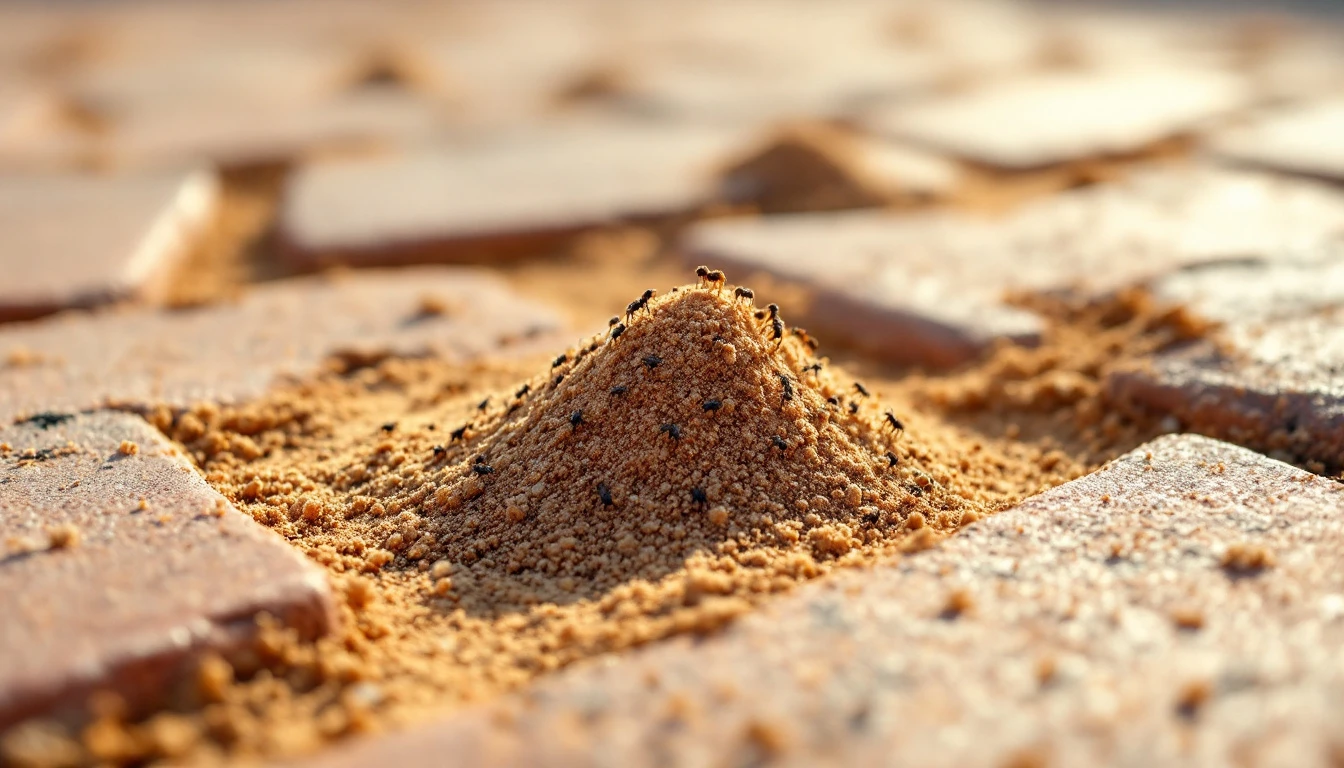
Ant hills in paver driveways are a common yet frustrating issue for homeowners. These small mounds of sand or soil appearing between pavers not only affect the visual appeal of your driveway but can also weaken its structure over time. The good news is that with the right prevention strategies, you can significantly reduce or even eliminate ants activity in your paved surfaces.
Why Ant Hills Appear in Paver Driveways
Ants are naturally attracted to paver driveways because they provide the perfect environment for nesting. The spaces between pavers are usually filled with sand or fine aggregate, which is easy for ants to dig through and manipulate.
Ideal Nesting Conditions for Ants
Paver driveways offer several advantages for ants:
- Warm surface temperatures from sunlight
- Loose joint sand that is easy to excavate
- Protection from predators and weather conditions
- Hidden underground space for colony expansion
Once ants find a suitable spot, they begin building tunnels beneath the pavers. As they dig, they push soil and sand upward, creating the visible ant hills on the surface.
How Ant Colonies Damage Paver Driveways
Although ants are small, their underground activity can gradually impact the stability of your driveway.
Structural Impact of Ant Activity
Over time, ant colonies can cause:
- Uneven surfaces in driveway sections
- Loss of joint sand between pavers
- Slight shifting or sinking of pavers
- Increased gaps that allow more ant intrusion
The constant removal of sand weakens the interlocking system that keeps pavers stable.
Effective Ant Hill Prevention Strategies
Preventing ant hills requires a combination of maintenance, sealing, and environmental control. Addressing only visible ant hills will not solve the root problem, which lies beneath the surface.
1. Use Polymeric Sand for Strong Joint Stability
One of the most effective long-term solutions is replacing regular joint sand with polymeric sand. Polymeric sand hardens when activated with water, forming a firm barrier that reduces ant tunneling ability. It also helps lock pavers in place, improving overall durability. Key benefits include:
- Reduced weed growth between pavers
- Strong resistance to ant excavation
- Improved structural stability
2. Seal Your Paver Driveway
Sealing your driveway adds an extra layer of protection against ants. A good-quality paver sealer helps by:
- Hardening joint material
- Reducing moisture penetration
- Blocking access points for ants
While sealing does not guarantee complete prevention, it significantly reduces infestation chances when combined with proper joint sand installation.
3. Eliminate Moisture and Food Sources
Ants are attracted to moisture and organic debris around driveways. To discourage them:
- Clean food spills and organic waste promptly
- Ensure proper drainage around the driveway
- Keep edges of the driveway free from soil buildup
- Trim nearby vegetation that may harbor insects
Dry and clean environments are less attractive for ant colonies.
4. Apply Natural or Chemical Ant Barriers
You can reduce ant activity using preventive treatments around pavers. Some commonly used methods include:
- Diatomaceous earth along cracks and edges
- Ant bait stations for colony elimination
- Vinegar-water sprays to disrupt ant trails
- Granular insect control for deep treatment
These methods work best when combined with structural prevention.
5. Regular Maintenance and Inspection
Routine inspection helps catch early signs of infestation before it spreads. Recommended maintenance steps:
- Sweep and clean paver surfaces regularly
- Check for small sand mounds or entry holes
- Refill joint sand when gaps appear
- Reapply sealant when needed
Consistent upkeep is key to long-term ant prevention.
Common Mistakes to Avoid
Many homeowners struggle with recurring ant hills because of avoidable mistakes such as:
- Only removing visible ant hills without treating the colony
- Using regular sand instead of polymeric sand
- Ignoring small cracks and gaps
- Delaying maintenance until damage becomes visible
Addressing the root cause is essential for lasting results.
Long-Term Prevention Strategy for Paver Driveways
The most effective approach combines multiple strategies:
- Strong base installation with compacted materials
- Proper sealing of pavers
- Use of polymeric sand in joints
- Moisture control and drainage management
- Regular inspections and maintenance
When these steps are followed consistently, ant infestations become far less likely.
Protect Your Driveway with Drivewayz USA
Ant hill formation in paver driveways is a persistent issue, but it is completely manageable with the right preventive approach. By improving joint stability, controlling moisture, and maintaining regular upkeep, homeowners can preserve both the appearance and durability of their paved surfaces.
For professional guidance, high-quality driveway solutions, and long-term hardscape protection, Drivewayz USA offers reliable services and expert insights into driveway installation and maintenance.
Frequently Asked Questions
A quality “wet-look” sealer deepens color slightly but won’t turn pavers shiny. Add a clear anti-slip grit (looks like sand) to the second coat if your driveway is on a steep grade; it’s invisible once dry.
Wait 30 days so the stone dust base fully compacts and any efflorescence (white salts) can surface and be washed away. Applying polymeric sand too early traps salts and weakens the bond.
Boric-acid baits have very low mammalian toxicity when used as directed. Place stations under a light paver chip or inside a protective bait station so pets can’t chew them. Store unused bait on a high shelf.
Home remedies kill surface ants but rarely reach the queen. Boiling water can also crack pavers and wash out joint sand. Use bait for colony elimination and polymeric sand plus sealer for long-term ant hill prevention.