
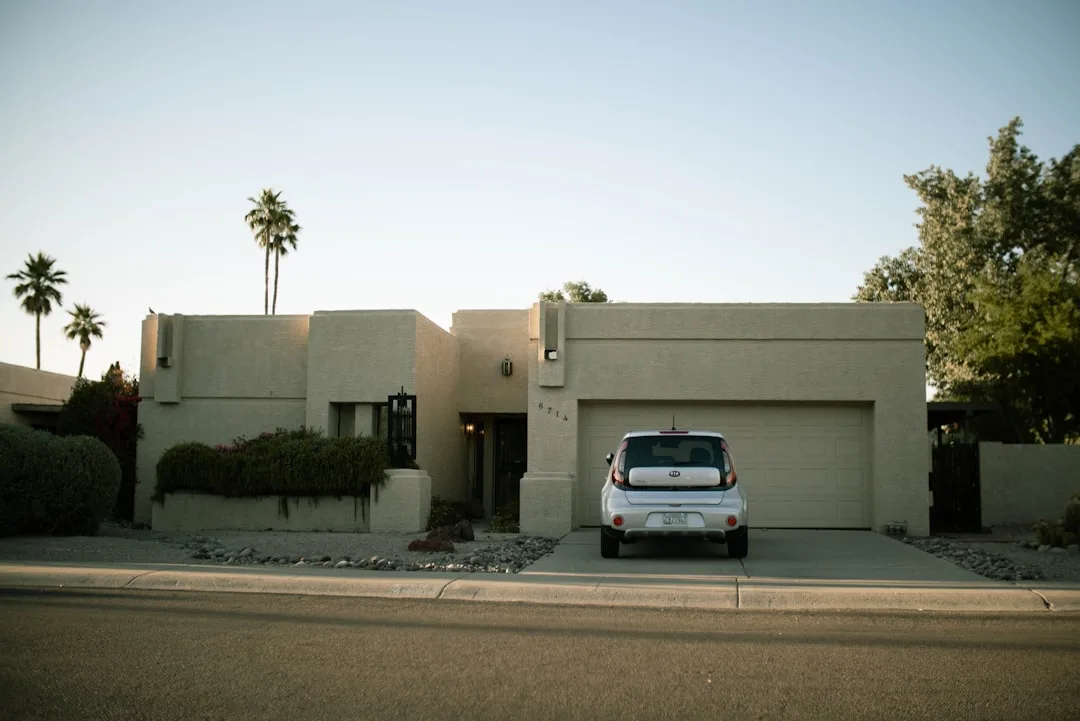
Driveway Installation in Arizona
Arizona's hot desert climate brings extreme summer temperatures regularly exceeding 110°F in Phoenix and Tucson, intense UV exposure, and dramatic monsoon seasons with flash flooding. The state's expansive clay soils and caliche (cemented calcium carbonate layers) create unique foundation challenges that require specialized driveway solutions[1].
Climate
Arizona's hot desert climate brings extreme summer temperatures regularly exceeding 110°F in Phoenix and Tucson, intense UV exposure, and dramatic monsoon seasons with flash flooding. The state's expa...
Driveway Services in Arizona
Professional solutions tailored for Arizona's unique climate and terrain
Concrete Installation
Professional concrete installation services designed specifically for Arizona's unique conditions and requirements.
Asphalt Paving
Professional asphalt paving services designed specifically for Arizona's unique conditions and requirements.
Sealcoating
Professional sealcoating services designed specifically for Arizona's unique conditions and requirements.
Best Driveway Types for Arizona
Choose the right material for your climate, soil conditions, and budget
Light-Colored Concrete (Top Recommendation)
The ideal choice for Arizona's extreme heat. Light-colored or white concrete reflects solar radiation, staying 30-50°F cooler than asphalt surfaces that can reach 150-170°F in Phoenix summers[2][3]. Concrete's thermal mass also helps moderate temperature swings. With proper curing and sealing, expect 30-40 year lifespan even in Yuma's extreme desert conditions.
Travertine or Light-Colored Pavers
Premium option combining aesthetics with heat management. Natural stone pavers in travertine, limestone, or light concrete colors maintain comfortable surface temperatures for bare feet. The jointed design accommodates soil movement from expansive clays common in the Phoenix and Tucson metro areas[4].
Stamped Concrete with Color Hardener
Achieves the look of pavers or stone while maintaining concrete's durability. Color hardener (applied surface color) resists UV fading better than integral color in Arizona's intense sun. Popular patterns include flagstone, slate, and adobe textures that complement Southwest architecture.
Exposed Aggregate
Textured surface provides excellent traction during monsoon rains while the exposed stone surface reflects heat. The rough texture hides dust and debris common in desert environments. Requires sealing every 2-3 years to prevent UV degradation of the cement matrix.
Why Choose Drivewayz in Arizona
Local expertise meets professional excellence
Climate-Tailored Solutions
Our driveway materials and installation techniques are specifically chosen to perform in Arizona's unique climate and soil conditions.
Local Expertise
We understand Arizona's permitting requirements, HOA regulations, and local building codes.
Quality Guarantee
Professional installation with materials built to last. Free estimates, no obligation.
Local Facts & Considerations
Important information for Arizona homeowners planning a driveway project
Arizona's desert soils, particularly in the Phoenix Basin and Tucson area, contain high percentages of expansive clays that swell when wet and shrink when dry. Driveways require 6-12 inch compacted gravel bases and may need post-tensioned slabs in severe areas[5].
July-September monsoon season brings intense, short-duration rainfall that can deposit 1-2 inches in an hour. Driveways must have proper grading (minimum 2% slope) and drainage systems to prevent washout and foundation damage[6].
Many Arizona properties encounter caliche (hardened calcium carbonate) 1-3 feet below surface. This cemented layer must be removed or penetrated for proper drainage and foundation stability, adding excavation costs.
Arizona receives 300+ days of sunshine annually with extreme UV intensity. Sealers with UV inhibitors are essential, and dark-colored surfaces will degrade significantly faster than light colors.
Many Arizona communities, particularly in Phoenix suburbs like Scottsdale and Gilbert, have strict HOA guidelines governing driveway materials, colors, and patterns.
Service Areas
Serving communities across Arizona
Phoenix
Serving the area
Tucson
Serving the area
Mesa
Serving the area
Scottsdale
Serving the area
our network connects you with experienced Arizona driveway contractors who understand desert construction
Serving the area
References & Standards
- Arizona Geological Survey. (2023). *Soils and Geology of Arizona*. University of Arizona.
- Concrete Captain. (2025). Is asphalt or concrete hotter? Discover the temperature differences. Retrieved from https://concretecaptain.com/is-asphalt-or-concrete-hotter/
- Arizona State University. (2021). *Urban Heat Island Study: Surface Temperature Analysis*. ASU School of Sustainability.
- American Society of Civil Engineers. (2019). *Expansive Soils: Technical Guidelines*. ASCE Publication.
- Post-Tensioning Institute. (2020). *Design of Post-Tensioned Slabs-on-Ground*. PTI DC10.5-20.
- National Weather Service. (2024). *Arizona Monsoon Climatology*. NOAA Phoenix Office.
Ready to Transform Your Driveway?
Join thousands of satisfied homeowners in Arizona. Get your free, no-obligation estimate today.
Schedule Free Estimate