
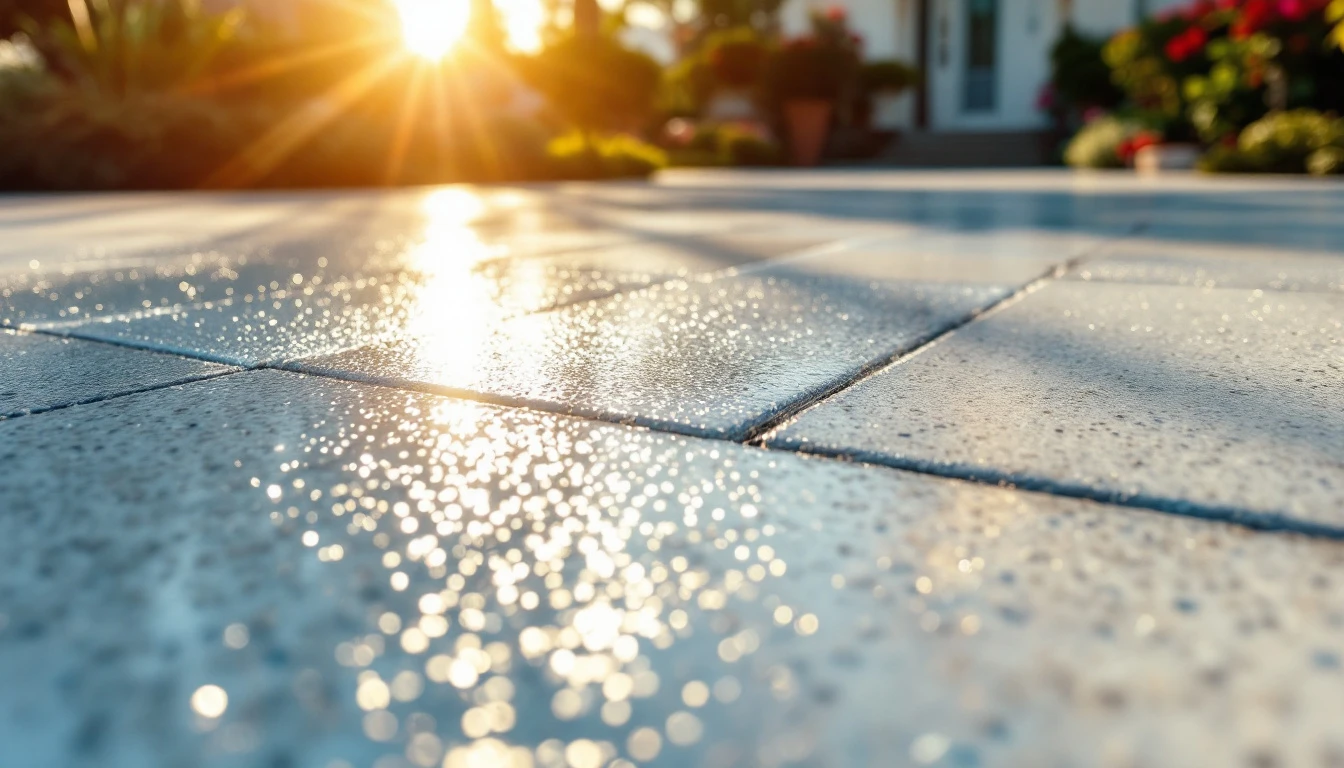
Anyone with a black asphalt driveway knows the aftermath of summer. By mid-afternoon in July, you can feel the heat coming off it from the front porch. Pets won't walk on it, kids hop across it, and even getting groceries out of the car turns into a chore.
If that sounds familiar, the right solar reflective driveway materials to reduce heat can take the edge off. Lighter surfaces bounce back more sunlight, so they soak up less of it. But color is only one part of the story. Texture, climate, drainage, upkeep, and even the trees around your house all affect how a driveway handles the heat.
What Is a Solar Reflective Driveway?
A Solar Reflective Driveway is one built with materials or surface features that send more sunlight back into the sky instead of trapping it as heat. It's a version of what the industry calls "cool pavement." The U.S. Environmental Protection Agency uses "cool pavement" for paving materials that reflect more solar energy, let more water evaporate, or are otherwise modified to stay cooler than conventional pavements. There is no official label for a cool pavement, and the result depends on the material, the weather, and the site.
There is a trade-off. EPA's cool-pavements compendium says reflected heat can be absorbed by the sides of surrounding buildings and warm the interior. A lighter surface can also reflect more sunlight onto people standing on it, so the pavement can be cooler while a person in full sun feels hotter.
Keep expectations realistic. It cannot promise an ice-cold driveway. The goal is a surface that doesn't get as scorching as dark pavement would in the same spot. In a hot climate, that gap is easy to feel, especially on a driveway that takes full afternoon sun and tends to be the hottest surface around the house.
Why Color Matters
Dark colors absorb sunlight, and light colors reflect it. That's why black asphalt gets much hotter than pale concrete or light aggregate under the same sky.
Light concrete: Standard concrete is already lighter than asphalt, and a light gray or pale finish is a sensible pick for a property that gets plenty of sun. If you're considering decorative finishes, be careful with dark pigments and coatings, since they can undo the benefit.
Light aggregate: Pale stone, light gravel, or a lighter exposed-aggregate finish can look great and reflect more than a very dark surface. If you're tearing out an old black asphalt driveway, a light aggregate finish could give you a brighter look that suits the house and may cut down on heat absorption too.
Solar Reflective Driveway Materials to Reduce Heat: Main Options
No material wins in every situation. What's best for you depends on what you care about most, such as heat, durability, looks, drainage, maintenance, or budget.
Light-colored concrete: This is the most straightforward choice. It's tough enough for daily vehicle use and noticeably lighter than asphalt. Just remember that a reflective surface can't make up for a poor base. The driveway still needs to be built properly for your soil, drainage, traffic, and climate.
Permeable pavement: If stormwater is a concern, permeable systems are worth a look. Some let water pass through the surface into a stone layer below. That moisture can help with cooling through evaporation, though how much depends on the design, the weather, and how much water is actually available. Permeable concrete, permeable asphalt, and permeable interlocking concrete pavers are all designed with infiltration in mind.
Light-colored pavers: Concrete pavers come in lots of colors and patterns, so choosing lighter shades is an easy way to get a more reflective surface. They also have a practical perk: if one gets damaged, you can swap out that unit without redoing the whole driveway. The catch is that the base and joints have to be installed well, or you'll end up with settling and uneven spots.
Reflective coatings and treatments: Existing driveways can sometimes be treated with products meant to boost reflectance. Don't just trust the label on the bucket. Look at the manufacturer's technical data for reflectance, expected lifespan, slip resistance, vehicle-traffic rating, application requirements, and care instructions. A coating that's fine for a footpath may not hold up to cars driving over it every day.
Don't Forget Shade
Picking the right material only gets you part of the way. Trees, smart landscaping, a carport, or a well-placed structure can block direct sun from hitting the pavement at all. Plan before you plant, though. Big tree roots can crack and lift pavement, and falling leaves and debris mean more cleanup and clogged drainage. The smartest approach is to treat the driveway and landscaping as one system rather than two separate projects.
Does a Solar Reflective Driveway Cost More?
Not always. It comes down to the material and how it's installed. A standard light-colored concrete driveway usually doesn't need any special reflective treatment. Costs climb when you add decorative aggregate, specialty coatings, permeable systems, or custom finishes. Several things move the final price:
- Driveway size and layout
- Removal of existing pavement
- Soil and base preparation
- Drainage requirements
- Material choice
- Surface finish
- Local labor rates
- Decorative or reflective treatments
There's no reliable price per square foot that applies everywhere, because site conditions change everything. Swapping a stable, existing driveway for a lighter surface can be fairly simple. A property that needs excavation, drainage work, and a brand-new base is a very different (and bigger) project.
Keeping It Reflective: Maintenance
A clean surface stays brighter. Dirt, tire marks, leaves, and grime can make a light driveway look darker over time, which cuts into its reflective benefit. Regular sweeping and the right kind of cleaning go a long way.
Match the cleaning method to the material, since concrete, pavers, coatings, asphalt, and permeable surfaces all have different needs. And fix problems early. Cracks, settling, damaged joints, and drainage trouble only get harder (and pricier) to deal with the longer you wait.
Final Thoughts
A cooler driveway is a decision about surface color, shade, drainage, and upkeep. Drivewayz USA publishes practical comparisons you can match to your climate.
Frequently Asked Questions
There isn't one answer for every property. Light-colored concrete, lighter aggregate, certain reflective treatments, and some permeable systems can all run cooler than dark, heat-absorbing surfaces. Your climate, drainage, traffic, and maintenance habits should factor in too.
It will absorb less solar energy than a dark one, but it can still get hot in direct sun. Surface temperature depends on sun exposure, weather, the material, moisture, wind, and other site conditions.
Sometimes. A suitable reflective coating or surface treatment may work if your current pavement is structurally sound. The product also has to be rated for vehicle traffic and compatible with your specific pavement type.
Not necessarily. A basic light concrete driveway may not need any special heat-reflective product. Specialty coatings, decorative aggregates, permeable systems, and custom finishes do add cost, and site prep and drainage can swing the final price a lot.
Yes, shade from well-placed trees can cut down the direct sunlight hitting the pavement. Before planting, think about the species, root growth, leaf litter, drainage, and how far the tree will sit from the driveway.