
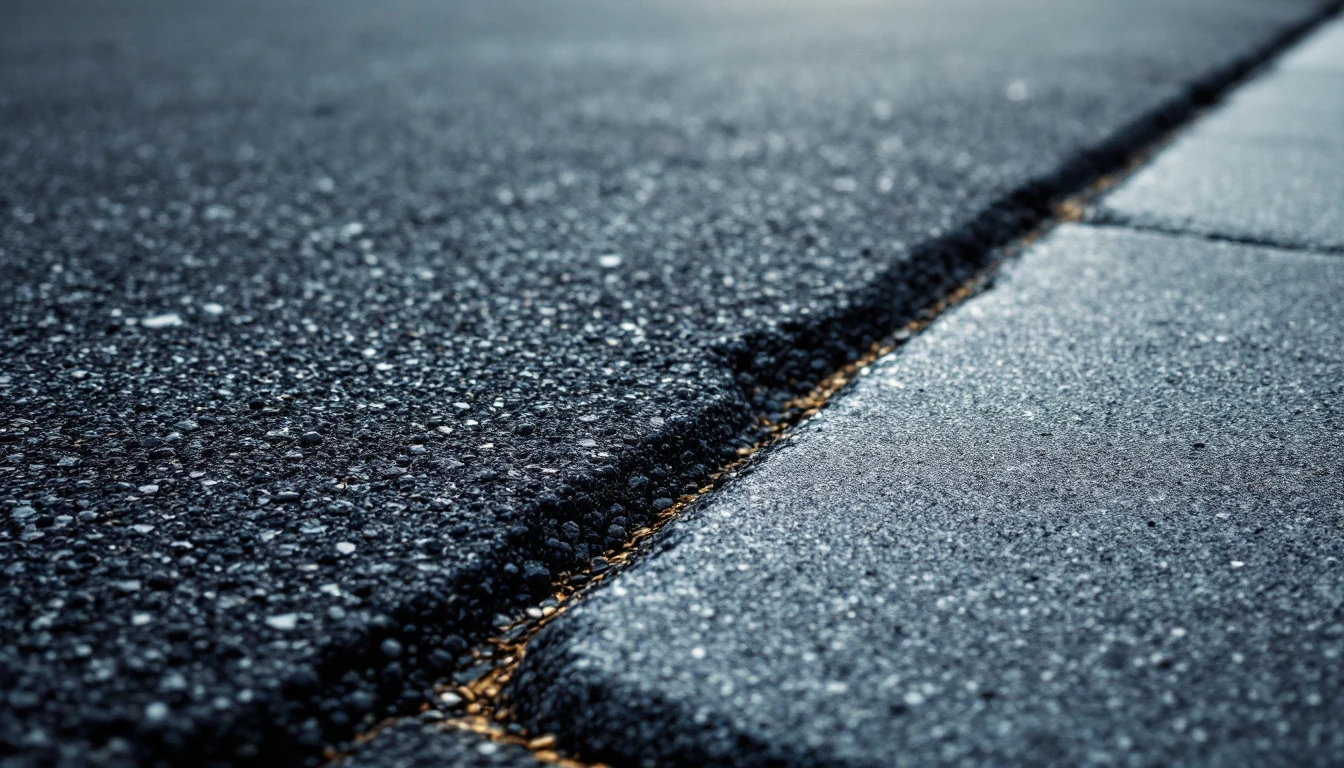
Picking a driveway color feels like a simple decision until you actually stand in your yard and think it through. Appearance is part of it, but there's a physical reality most people don't consider until July, because the dark pavement gets really hot. And that changes how the space feels to use, not just how it looks in a listing photo. So when people ask about black versus light driveways, they usually start with curb appeal. Fair enough. But heat absorption deserves equal billing, particularly if you live somewhere summers stretch on and the sun doesn't let up. Dark asphalt soaks up solar energy in a way lighter surfaces just don't. Which one's right for your place? Honestly, it depends on your climate, what material you're working with, your home's style, how much upkeep you're willing to do, and how much sun that driveway actually sees during the day.
The Real Difference Isn't Just Color
Yes, black driveways and light driveways look different. But the practical distinction is about how each one handles sunlight.
Darker surfaces pull in more solar radiation. According to Lawrence Berkeley National Laboratory, dark pavement can absorb somewhere in the range of 80 to 95 percent of the sunlight hitting it, which is a big reason those surfaces heat up so dramatically.
Lighter driveways bounce more of that sunlight back instead of soaking it in, which tends to keep surface temps lower. A light driveway isn't automatically cool to the touch. Plenty of other variables come into play like the material itself, texture, whether it's damp, nearby trees or shade, even the weather that week.
Why This Actually Matters When It's Hot Out
Picture two houses, both with driveways catching full afternoon sun. One's dark asphalt. The other is light concrete.
By mid-afternoon on a scorching day, that dark surface can get uncomfortably hot to walk on. NASA's ECOSTRESS satellite data has actually documented this, paved surfaces routinely run hotter than the surrounding air, and dark pavement tends to top the list among the hottest surfaces you'll find in a neighborhood.
This isn't just about the surface and appearance. If you've got kids running barefoot across the driveway, pets padding across it, or it sits right next to your front door or patio, that heat difference is something you'll notice.
Heat Absorption
This is where the two options really diverge.
Darker pavement has lower solar reflectance, it keeps more of the sunlight it receives instead of sending it back out, and that trapped energy shows up as higher surface temperature.
Light pavement reflects more of that light in the first place. Lawrence Berkeley National Laboratory's research backs this up too: lighter pavement sections tend to stay noticeably cooler than darker ones getting the same amount of sun.
Still, don't make color the only variable in your decision. It's one piece of a bigger puzzle.
Material Counts for More Than You'd Think
A black asphalt driveway and a dark-tinted concrete one might look nearly identical from the street, but they don't necessarily perform the same.
Asphalt is dark by nature and absorbs a lot of solar energy as a result. Concrete, on the other hand, starts out lighter, though it can be stained, dyed, or finished in darker tones if that's the look you want.
Then there's gravel, pavers, and specialty reflective paving systems, each with its own thermal behavior. Choosing the right driveway material means looking at the whole picture, not just picking a paint-chip color and calling it done.
The Curb Appeal Side of a Black Driveway
Heat is only one part of this decision. A driveway takes up real visual space in most front yards, so it shapes how the whole property reads. A black driveway tends to look crisp and intentional. That dark tone contrasts nicely against light siding, pale stonework, or a light concrete walkway. If your house leans modern white, gray, or other neutral tones, a black driveway can tie the whole exterior together in a pretty striking way. It also makes landscaping attractive. Green lawns, shrubs, flowering plants, decorative stone, all of it stands out more clearly against a dark backdrop.
When Light Concrete Is the Better Call
A lighter driveway gives off a softer, airier feel. It tends to suit traditional-style homes, warmer exterior palettes, brick, natural stone, or anything with a Mediterranean flair. Concrete also opens up more design options like different textures, finishes, borders, patterns, colors, you name it. If your house has a beige exterior with a stone walkway leading up to it. A light gray concrete driveway might tie in more naturally than a solid black slab would.
Does Black Asphalt Actually Get Too Hot?
Under strong, direct sun, yeah, it can get seriously hot.
That doesn't mean it's a bad choice, though. Asphalt remains one of the most common driveway materials for good reason, and how well a driveway performs really comes down to things like installation quality, base prep, drainage, local climate, how much traffic it sees, and ongoing maintenance.
The Takeaway for Homeowners in Warmer Climates
factor surface temperature into the decision alongside everything else. Shade helps a lot here. Trees, overhangs, structures, anything that blocks direct sun reduces how hot the pavement gets. Lawrence Berkeley National Laboratory points to shading as one of the more significant factors affecting pavement temperature. If your driveway bakes in afternoon sun and sits near a patio, entryway, or outdoor living space, heat deserves a real seat at the table when you're picking materials.
Driveway Maintenance: Neither Color Gets Off Easy
Color even affects how noticeable certain stains and debris are.
A black driveway can hide some dark marks well, but lighter debris like dust, leaves, pollen shows up more against it. Flip that around, and light concrete tends to show oil stains and tire marks more obviously.
Beyond that, maintenance really tracks with the material more than the color. Asphalt needs regular checks, prompt crack repair, sealing at the right intervals, and solid drainage. Concrete has its own concerns like cracking, staining, surface wear, drainage again.
Neither option lets you skip maintenance altogether.
Honestly, a well-built drainage system and a properly prepared base will do more for your driveway's long-term health than whatever color you pick.
Final Thoughts
Black driveways still bring serious curb appeal, especially paired with a modern exterior and good landscaping. Light driveways offer a softer look and suit anyone who prioritizes keeping things cool underfoot. Before you commit, weigh your climate, sun exposure, driveway material, drainage setup, traffic patterns, maintenance tolerance, and your home's overall style.
If you're weighing asphalt against concrete, gravel, or pavers, Drivewayz USA offers practical solutions right from covering materials, installation, upkeep, costs, and designs. Contact us before you start your next driveway project.
Frequently Asked Questions
Generally, yes, dark pavement absorbs more sunlight than light pavement, so it runs hotter in direct sun. Exact temperatures still depend on material, weather, and shade.
It can. Lighter surfaces reflect more sunlight than darker ones, which usually means lower surface temperatures, though the specific material still plays a big role.
It can still work fine, but you'll want to weigh sun exposure, expected surface temps, drainage, and maintenance before committing to it.
Depends entirely on your home. Black driveways bring bold, modern contrast; light ones create a softer, brighter feel. Go with whatever matches your exterior best.
There isn't one universal answer. Asphalt, concrete, gravel, and pavers each bring different strengths around appearance, climate fit, maintenance, drainage, and durability. Your local conditions and how you'll use the driveway should drive the choice.