
Plenty of driveways were built for a single sedan initially. After years there may be a second vehicle in the house, or you bought a pickup that barely clears the garage, or friends keep half-parking on your lawn when they visit. Suddenly that narrow strip of pavement feels like a bottleneck.
But you don't always have to tear everything out. If the current driveway is in decent shape, adding a strip alongside it can be a sensible fix. Widening a driveway involves a lot more than pouring concrete or rolling asphalt next to the old surface. The new section needs solid ground under it, the right slope, a plan for water, and a connection to the old pavement that won't fail under everyday traffic.
Why People Widen Existing Driveways
Extra parking is the obvious reason. A wider driveway also keeps tires off the grass and soil, which saves your lawn and cuts down on muddy ruts. It's worth considering if:
- Two cars need to park side by side, or pass each other, without a struggle
- Your household has added a vehicle
- A bigger SUV or truck feels cramped
- You want a spot for a trailer or RV
- Swinging into the garage has become a tight, multi-point maneuver
- Visitors keep parking along the edge
For example, picture a homeowner with a one-car driveway who has been leaving the second car on the lawn for years. Adding a few feet along one side gives that car a proper place to sit, and most of the original pavement stays right where it is.
Is It Possible to Add Onto What You Already Have?
Often, yes, but it depends on two things: the state of the current driveway and the conditions around it.
Start with the existing pavement. If it's heavily cracked, sinking, or breaking down because water keeps undermining it, bolting a new section onto it won't fix anything. You'd just be attaching something new to a problem.
Then look at the ground where the extension will go. That soil has to be dug out and prepared to carry the vehicles that will use it. A soft or poorly compacted base tends to settle over time, which leads to cracks and an uneven, annoying seam between old and new.
Check the Rules Before You Break Ground
Before you settle on dimensions, find out what your local government requires. Depending on where you live, work that touches the curb, sidewalk, street access, drainage, setbacks, or the total amount of paved surface on your lot may need approval.
Driveway entrances also matter for drainage. FHWA's access-management guidance for local and rural roads lists drainage among the items agencies consider when reviewing driveway permits, and says driveways should be built so surface water isn't diverted onto the road. It's written for road agencies, not as a residential code, but the point carries over: changing the entrance can change where runoff goes.
Don't assume a residential driveway is automatically exempt from permits. Rules differ from place to place, so a quick call to your local authority before work starts can save you real headaches.
Figure Out How Much Width You Need
Decide how much extra room you really want before anyone starts digging. Measure what you have now, then think through how cars will pull in, back out, turn, and open doors. Sometimes a modest bit of added width is enough for comfortable parking. If you're after a true second parking space, you'll need more. Look beyond the pavement, too. Walk the area and note:
- Property lines
- Trees and landscaping
- Retaining walls
- Where utilities run (contact 811 or your local utility locator before any digging)
- Sidewalks and curbs
- The path water takes when it rains
- Garage access
- Required setbacks
A few extra feet can transform how the driveway works. Go too wide, though, and you can end up with extra construction and drainage trouble you didn't need.
Picking a Material for the New Section
The extension doesn't have to match the original material, but matching usually looks more cohesive.
Concrete
A well-built concrete extension, with a properly designed base and slab, makes a tough parking surface. It can be finished to resemble your current concrete as well.
The seam between old and new concrete deserves real thought. Done carefully, it lets both slabs do their job without extra stress and without leaving a lip people trip over. Remember, if your driveway has color, a decorative finish, or exposed aggregate, getting a perfect match is hard. Years of weathering change how the original looks.
Asphalt
If your driveway is already asphalt, extending it with more asphalt is a natural choice. It's a fairly flexible surface and can blend in well when installed correctly.
The existing edge has to be prepped properly before new material goes down, and the base underneath matters just as much. Asphalt leans heavily on the support beneath it.
Gravel
Gravel can work on some properties. But it does need proper grading and proper upkeep over the years. On a slope, or anywhere runoff flows in a concentrated stream, gravel tends to wander off or form ruts. Think about drainage first if gravel is on your list.
The Base Is Where the Real Work Happens
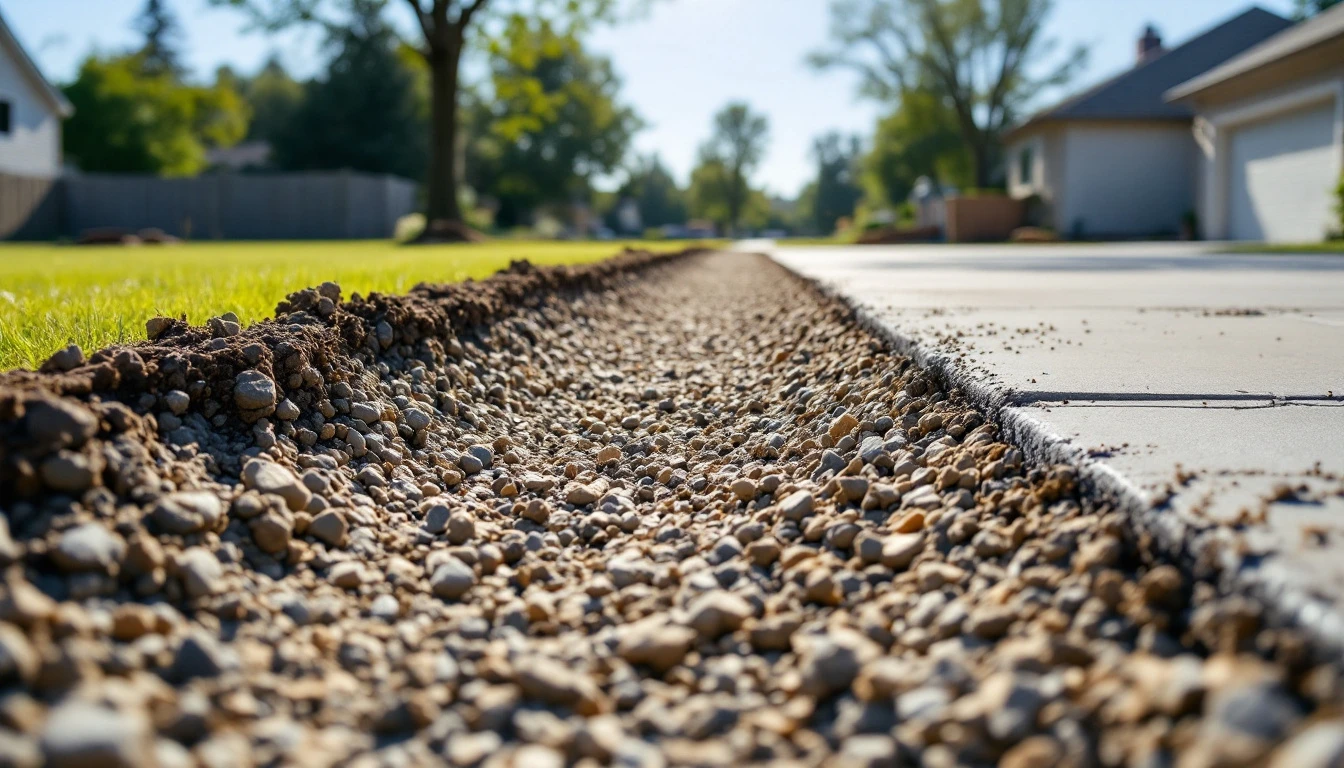
The most important work in a widening project is the base, which many ignore. The extension area is typically cleared, dug out to the right depth, graded, and compacted. Then a suitable aggregate base goes in, following the design and the local conditions. Soil type, climate, drainage, vehicle weight, and pavement type all influence what the right build-up looks like.
FHWA's highway pavement manual calls for removing soft or unsuitable material during subgrade preparation, and warns that grades that are too flat, or local depressions from soft areas, can pond water below the pavement and cost it support. It's written for highways, but the same basics apply to a driveway extension: a prepared subgrade, positive grade, good compaction, and working drainage.
Don't Forget About Water
Drainage is the thing people most often overlook when expanding a driveway. Adding pavement changes where rain goes. The new surface shouldn't create a low spot that funnels water toward your garage, your foundation, a neighbor's yard, or the existing driveway. FHWA's highway pavement guidance recommends keeping moisture out of the pavement system wherever possible and giving any water that does get in a way to leave.
If your planned extension crosses a natural drainage route, you may need a channel, pipe, inlet, or some other solution. Paving over that path and hoping the water finds another way is a bad bet.
Joining Old and New
The spot where the new section meets the old deserves close attention. With concrete, the joint has to account for movement and for how loads pass from one slab to the other. With asphalt, the existing edge may need to be cut or prepared so the new material bonds well. Simply having the two surfaces touch isn't the goal. Both sections need solid support so that the joint doesn't sink or shift over time.
This matters even more if your current driveway has already cracked or settled. Attaching new pavement without dealing with the underlying cause can leave you with a bumpy driveway down the road.
When a Simple Extension Is the Wrong Move
If your existing driveway is already failing, a straightforward widening may not make sense. Large cracks, widespread settling, drainage trouble, unstable soil, or badly deteriorated pavement can all point toward a bigger rebuild.
Say one side of your driveway keeps sinking because rain is washing out the base beneath it. Extending that side without fixing the water problem just gives you another weak patch. In cases like that, solve the root cause first, and worry about looks and parking space afterward.
Final Thoughts: Plan Your Project with Confidence
A successful widening job takes more than a bit of extra parking in mind. A long-lasting extension depends on the condition of your current pavement, a well-prepared base, correct grading, good drainage, and a thoughtfully built connection between old and new.
Drivewayz USA offers practical information on driveway construction, maintenance, materials, drainage, repairs, and improvements. Whether you're planning a small extension or a bigger expansion, understanding the work can help you avoid costly mistakes and land on a solution that suits your property.
Frequently Asked Questions
Often, yes. If the current driveway is structurally sound, a new section can usually be built alongside it. You'll still need proper excavation, base preparation, grading, drainage, and a sound connection to the existing pavement.
It depends on the property. Concrete, asphalt, and gravel each fit certain situations. Weigh how well the material matches your current driveway, along with site conditions, expected vehicle loads, drainage, appearance, and upkeep.
That comes down to local regulations and the work involved. Changes affecting the curb, sidewalk, street entrance, drainage, setbacks, or property access may need approval, so check with your local authority first.
It can, if the new pavement redirects natural water flow or creates a low point. Grade the extension so runoff goes where it should, and make sure existing drainage systems and flow paths keep working.
It can be, since an extension may involve less work than a full replacement when the current pavement is in good shape. Actual cost still depends on the size, materials, excavation, drainage, soil, labor, and local requirements, so a site-specific estimate beats any generic per-square-foot figure.