
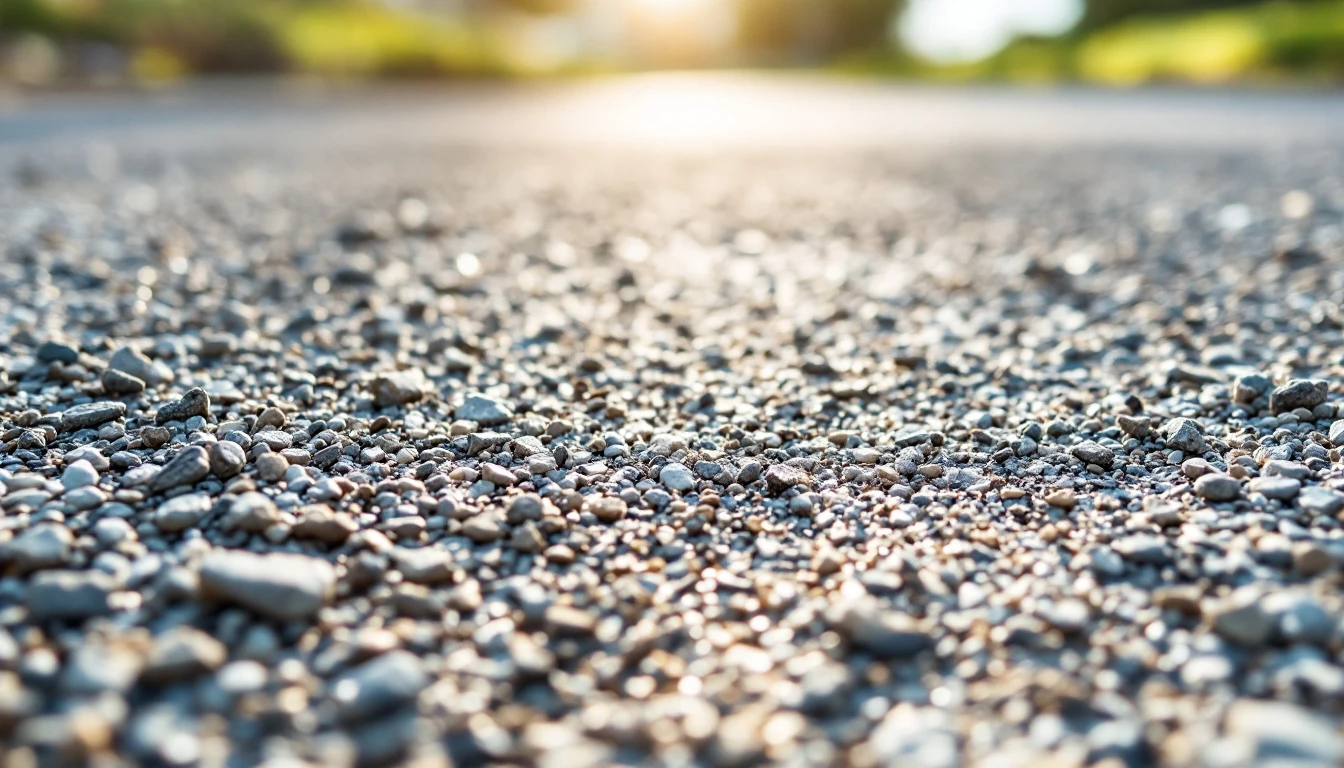
If you've been researching driveway materials, you've probably run into "stone dust" a dozen times. It's usually described as an all-purpose fix for gravel driveways, paver bases, and gap-filling. Stone dust is a byproduct of crushing and screening natural stone. The leftover fine material that gets separated out during processing. It is called screenings, quarry dust, rock dust, or stone fines. But none of those names refer to one consistent product. What you get from a quarry in Pennsylvania might behave completely differently from what you get in Georgia. The supplier matters more than the name on the invoice. Used correctly, stone dust does have real applications such as filling small gaps, helping stabilize loose aggregate, or creating a compacted layer where a project actually calls for it. What it cannot do is a drop-in replacement for a properly engineered crushed-stone base or the bedding sand your paver system requires. Treating it that way is where a lot of driveway problems start.
What Stone Dust Is
The smallest leftover fragments from the stone-crushing process called stone dust. It's a blend of very fine particles and, depending on the source, some small angular pieces mixed in.
That angular shape is the whole reason contractors like it. The particles interlock and pack tightly when compacted, which is genuinely useful for certain hardscaping jobs. But "stone dust" isn't a single standardized product. Granite screenings act differently than limestone screenings, which act differently than generic quarry fines. Before you order a truckload, ask your supplier exactly what's in it and what it's rated for.
Why People Reach for It Near Driveways
The fine particles slot into the gaps between larger aggregate pieces, and when you compact the mix, you get a tighter, more stable surface.
If you're patching up a gravel driveway that's seen better days, dumping in more round gravel usually doesn't fix the underlying problem. A properly blended aggregate mix, with stone dust playing a supporting role, tends to perform much better. Your driveway still needs a real structural base sized for actual vehicle loads and your local soil conditions.
Where Stone Dust Gets Used
Under Pavers, Proceed with Caution
This is the application where stone dust's reputation gets most oversold. Traditionally, yes, people have used it under pavers. For a conventional sand-set paver system, that is a compacted aggregate base topped with a bedding layer of washed concrete sand meeting a concrete-sand gradation such as ASTM C33, with very little material passing the No. 200 sieve. CMHA says limestone screenings and stone dust are not recommended as that bedding.
Don't swap in stone dust just because it packs down nice and tight. Use screenings or stone dust as bedding only when that paver manufacturer's instructions specifically allow it. Otherwise, stick with whatever the paver system's spec sheet actually recommends.
Permeable paver systems are a different design. They use open-graded aggregate bedding. Do not copy washed bedding sand or extra fines onto a permeable system.
Firming Up Loose Gravel
Screenings can be mixed into a graded aggregate surface to cut down on the shifting and sliding you get with plain gravel.
Think about a driveway where cars keep carving out the same ruts no matter how much gravel gets tossed on top. More round stones won't solve it. What usually works is a properly engineered mix, angular material plus fines, that actually compacts and locks together. Do not correct ruts by spreading extra fines on top until gradation, drainage, and the specified aggregate system have been checked. A bare layer of stone dust is not a structural base. It has to be part of a specified mix.
Filling Gaps
Fine stone material works reasonably well for filling wider gaps around certain stone installations, though how well depends on the width of the joint, drainage needs, and what material you're installing.
For narrow paver joints specifically, polymeric sand or whatever the manufacturer specifies is usually the smarter call over plain stone dust.
The Drainage Myth
Here's a misconception that trips up a lot of homeowners, the assumption that stone dust drains well simply because it's made of stone.
Fines content and gradation decide how it handles water. A product heavy in very fine particles can compact into a layer that slows water relative to clean coarse aggregate. A coarser screening is a different material. Neither one is a drainage system. Soil, base, grading, and any drains designed for the site still control the water. If you're dealing with heavy rain, clay soil, a high water table, or freeze-thaw cycles, this isn't a minor detail.
Good drainage isn't about one magic material anyway. It comes from the whole system working together, such as the soil underneath, the aggregate base, the grading, the slope, and any drainage features you've built in. A driveway sloping toward your garage can pool water regardless of what surface material sits on top. Therefore, it is important to fix the grading and runoff issues first.
Installing Driveway Stone Dust the Right Way
Prep the Site
This starts with excavation, not with dumping material on undisturbed dirt. Mark out the driveway and dig down to whatever depth the full pavement structure requires, a number that depends on your soil, expected traffic, and climate. Whatever subgrade you're left with needs to be firm and properly graded. Soft or wet spots may need more excavation or some drainage work before you go further.
Build the Structural Base
For anything carrying vehicle traffic, this step matters more than almost anything else. Properly graded crushed aggregate is the standard choice because it spreads the load and compacts into a genuinely stable foundation.
Add Stone Dust, If Your Project Calls for It
When the spec calls for stone dust or screenings, spread it to the required thickness and compact it per the supplier's instructions.
What you shouldn't do is use stone dust to paper over a base that wasn't prepared correctly. No amount of fine material turns a weak subgrade into a driveway that'll hold up.
Mistakes Worth Avoiding
Making Stone Dust the Entire Base
This is the big one. It's not a substitute for a properly graded crushed-stone foundation, no matter how tempting the shortcut looks.
Piling on Too Much at Once
Thick layers of fine material don't compact evenly. Soft spots hide underneath and surface later as ruts.
Ignoring Where Water Goes
Even a well-built driveway can fail if water collects underneath or sheets across the top.
Skipping the Grading Check
Ask your supplier what's actually in the product and what it's meant for. "Stone dust," "screenings," and "quarry fines" mean different things depending on who's selling them.
Final Thoughts
Stone dust has a real, legitimate role in driveway and hardscape work, but only when it's used where it actually fits. It can strengthen compacted aggregate surfaces and handle specific hardscape work well. What it can't do is stand in for a crushed-stone base, proper bedding sand, or an actual drainage plan.
At Drivewayz USA, we spend our time helping homeowners understand the materials, methods, and site conditions that actually determine how a driveway performs. For more on materials, base prep, and drainage, see the related Drivewayz USA guides.
Frequently Asked Questions
In certain applications, yes. But it shouldn't be the entire structural base on its own. A driveway that carries vehicles needs a properly engineered, compacted aggregate foundation underneath.
Not really. Its fine particle content means compacted stone dust slows water down more than coarse aggregate would. Drainage needs to be planned as part of the full driveway design, not left to the surface material alone.
No. Crushed stone usually means larger aggregate or graded blends; stone dust is the much finer leftover material. Since suppliers name things inconsistently, always check the actual gradation before assuming.
Depends entirely on the paver system and what the manufacturer specifies. Most professional installations call for a compacted aggregate base plus a specific bedding sand, not stone dust. Follow whatever your particular paver product requires.
Stay in one unit system so inches and feet are not mixed. Measure length, width, and the specified compacted thickness. That volume is the compacted layer in the spec, not the loose volume in the truck. Ask the supplier how the product is sold and which density figure applies. Do not apply a generic compaction factor.