
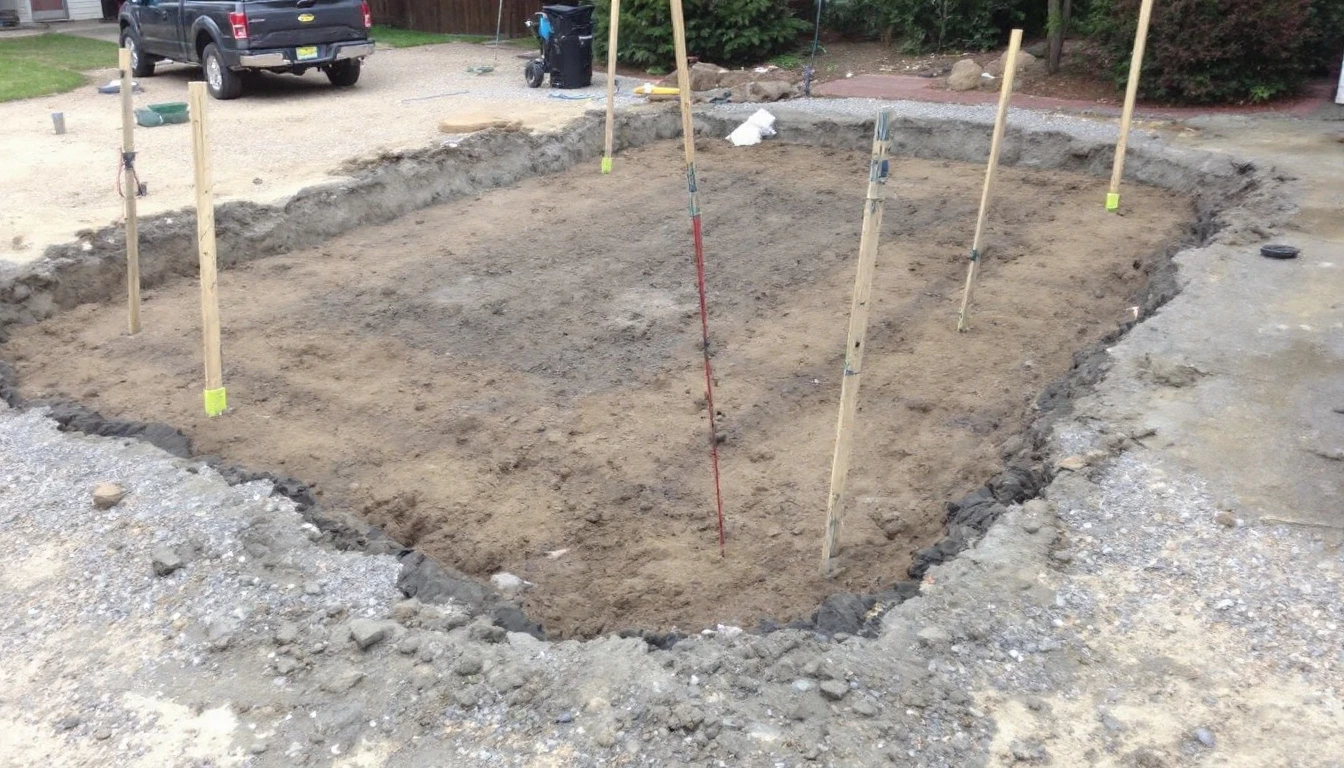
If you're thinking about installing a new driveway in Wisconsin or changing one you already have, there's more to it than picking out concrete versus gravel. Wisconsin has real rules around this stuff, and skipping the paperwork can turn into a genuinely expensive mistake. Here's what you actually need to know before you break the ground.
Why This Isn't Just Red Tape
A driveway isn't just part of your yard, it's a connection point between your property and a public road. It touches traffic patterns, drainage, and safety in ways that go beyond your own lot line. That's exactly why most Wisconsin municipalities want to sign off before you build. Skip the permit and you're risking:
- Being ordered to tear out what you built, on your own dime
- Fines from your local government
- Drainage problems that spill over onto your neighbor's property
None of that is worth saving a few days on paperwork.
Who's Actually in-Charge Here
This part trips people up because it depends entirely on what kind of road your driveway meets.
Local Municipalities
Cities, towns, villages handle the bulk of residential permits. They're the ones setting rules on things like driveway width, where it sits on your lot, and what surface materials are allowed.
County Highway Departments
Steps in if your property borders a county road. Their focus is mostly on sightlines and keeping traffic moving safely.
WisDOT
Gets involved when a driveway connects to a state highway. Because these roads carry much more traffic, the approval process here tends to be tighter and more demanding.
When You'll Actually Need to Apply
Generally, you're looking at needing a permit if you're:
- Putting in a brand-new driveway
- Widening or moving an existing one
- Switching which road your driveway accesses
- Adding a culvert or changing how water drains near the driveway
Even something that feels minor can require sign-off if it touches the public way, so when in doubt, ask first.
The Rules That Actually Matter
Width
Most residential driveways need to land somewhere between 10 and 24 feet. Anything wider usually needs special approval.
Distance from Intersections
Your driveway can't sit too close to a crossroad, this is about keeping sightlines clear and reducing accident risk.
Sight Distance
You need a clear line of view pulling in or out. That might mean trimming back trees, moving a fence, or rethinking anything blocking the view.
Drainage and Culverts
Wisconsin's weather makes this non-negotiable. A lot of properties need a culvert so water can pass under the driveway instead of pooling.
Materials
Concrete, asphalt, and gravel are the standard approved options, though some towns restrict loose gravel near paved public roads to keep debris off the street.
Getting the Permit: The Actual Process
- Figure out who you're dealing with: City, county, or state road, this determines where you apply.
- Submit your application: Most jurisdictions want the basics like property details, a rough site sketch, and the dimensions and location you're proposing. It doesn't need to be a professional drawing; it just needs to show clearly what you're building and where.
- Expect a site visit: Before anything gets approved, someone from the county or city may come out to look at traffic sightlines, drainage patterns, and general safety around the proposed spot. This step trips people up more than they expect, since it's easy to overlook how a driveway interacts with the road it connects to.
- Review your approval conditions: Getting the green light rarely means a blank check, approvals typically come attached to specific construction standards, required materials, and sometimes a culvert if drainage needs it. Read this part closely, since it's what an inspector will be checking against later.
- Build it, then call for a final inspection: Once the work is done, don't assume you're finished. A final inspection usually confirms the finished driveway actually matches what was approved, same location, same dimensions, same materials. Skipping this step is one of the more common reasons homeowners run into problems down the line.
Example
Take a homeowner out in rural Wisconsin who wanted a second driveway for easier garage access. Their property bordered a county road, and they figured a second entrance wouldn't need any extra approval, so they just started building.
During a routine check, the county flagged the whole thing: too close to an intersection, no proper drainage plan. The homeowner ended up tearing it out and starting the permit process from scratch, which cost far more in time and money than doing it right the first time would have.
Mistakes Worth Avoiding
- Building before you have approval
- Ignoring drainage requirements
- Placing the driveway too close to an intersection
- Using materials that aren't approved
- Deviating from your approved plan mid-build
Every one of these is avoidable with a little upfront planning.
Making the Process Easier on Yourself
- Put together a clear, accurate site plan before applying
- Talk to your local authority before you submit anything
- Know the width, drainage, and placement rules going in
- Work with a contractor who's dealt with Wisconsin permits before
Consider the Weather Too
Wisconsin's climate isn't gentle on driveways. Freeze-thaw cycles, heavy snow, and spring thawing all put stress on materials and drainage systems. That's why local authorities pay close attention to grading and drainage during approval. A driveway that looks fine in July can crack apart by February if it wasn't built for the climate.
Final Thoughts
Getting a driveway permit right in Wisconsin comes down to understanding a few things: who to apply with, what the width and drainage rules are, and how the local climate affects your material choices. It's not complicated, but it does require doing your homework before the first shovel goes in the ground.
Frequently Asked Questions
In most cases, yes, especially if the driveway connects to a public road or involves any structural work.
It varies by location, but expect anywhere from a few days to a few weeks depending on inspection schedules and how complete your paperwork is.
Yes, as long as you stick to the approved plan. Plenty of people still hire a pro just to be safe on compliance.
You could be looking at fines, a removal order, or paying extra later to bring things up to code.
Concrete, asphalt, and gravel are the standard choices, though your local authority may have additional requirements depending on your road type and location.