
Picking a driveway contractor in Milwaukee, WI involves a lot more than finding someone who knows how to pour concrete or lay asphalt. A driveway takes a beating like cars rolling over it every day, Wisconsin winters freezing and thawing the ground underneath, rain and melting snow trying to find somewhere to go. The contractor you hire needs to understand all of that, not just the finished look of the surface. There's also the question of whether your project touches public property. According to the City of Milwaukee, the section of driveway that connects your property to the street needs a permit. Concrete work that stays entirely on your own property, on the other hand, often doesn't require one. So really, finding the right contractor isn't a step you take after picking a material. It should come first.
What to Look for in a Milwaukee Driveway Contractor
Start with contractors who actually do the kind of work you need on a regular basis. Installing a brand-new asphalt driveway is a different job than replacing a cracked concrete slab, patching up gravel, or rebuilding a base that's failed underneath. A contractor worth hiring will tell you what your specific property needs instead of pitching the same fix to every customer who calls. Some things worth asking about:
- Past driveway projects similar in scope to yours
- Familiarity with Milwaukee's soil, drainage, and weather patterns
- Why they're recommending a particular material for your situation
- How they'll handle site prep and the base underneath
- Their plan for drainage and water runoff
- Timeline, including how weather might affect it
- What the warranty actually covers
- Any permits or approvals the job will need
A good contractor won't dodge these questions. And if someone hands you a price without ever walking the property, ask what they based it on.
Check Their Actual Driveway Experience
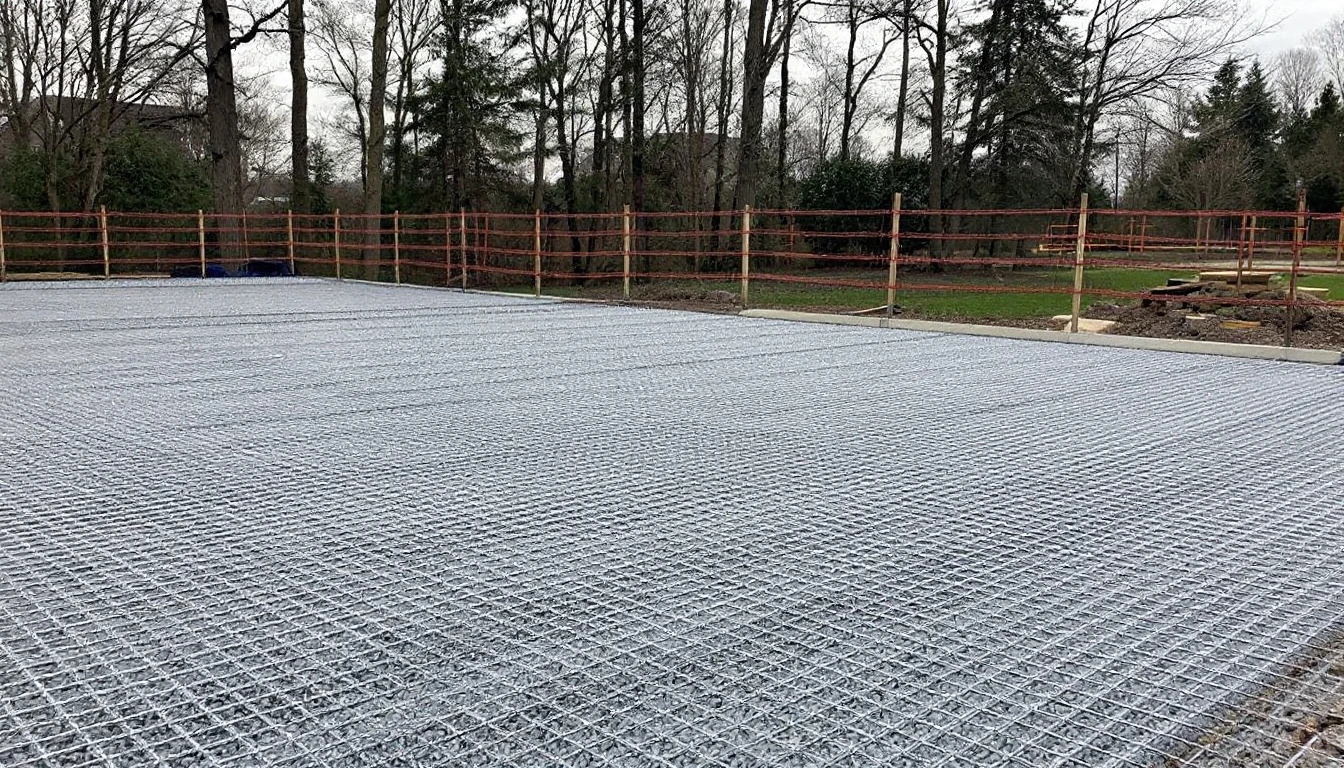
The surface you see is only part of the story. What happens underneath matters just as much, sometimes more. Excavation, grading, compaction, base work, if you get any of that wrong and the nicest-looking driveway won't hold up for long.
Example
If you're a Milwaukee homeowner dealing with an old asphalt driveway that's cracked and sunk in a few spots. Just paving over it with something new doesn't fix why water was pooling there in the first place. If the base or drainage issue sticks around, the new driveway is probably headed for the same problems, just on a shorter timeline.
A contractor who knows what they're doing will actually inspect the existing surface and tell you honestly whether it needs a repair, a resurfacing, or a full replacement.
Ask How They'll Prep the Site
This is one of the most important questions you can ask, and it's the one homeowners skip most often. What happens before the new surface goes down?
Site prep usually means clearing out unsuitable material, setting the right grade, building up the sub-base, compacting everything properly, and mapping out drainage. Exactly how that plays out depends on the material you're using, your site conditions, how the driveway will be used, and what local codes require.
Don't judge a quote by how thick or polished the finished surface sounds. Two contractors can describe driveways that look nearly identical on paper while doing completely different work underneath.
If your current driveway has potholes, sunken spots, standing water, or a lot of cracking, mention it. That kind of detail helps a contractor catch problems before they get buried under new material.
Factor in Milwaukee Weather and Drainage
Milwaukee driveways deal with big temperature swings, plenty of precipitation, snow, and repeated freeze-thaw cycles year after year. That makes water management something you need to think through at the planning stage, not after installation.
A driveway that doesn't drain well can run into trouble fast. Water sitting on the surface, working its way into cracks, undermining the base over time. Ask your contractor about the slope and exactly where runoff is supposed to go. If a driveway slopes toward the garage, for instance, grading and drainage need extra attention so rain and snowmelt aren't collecting right at the entrance.
Don't let drainage become an afterthought. Ask, once this driveway's finished, where does the water go?
Understand Milwaukee's Driveway Permit Rules
What permits you need depends heavily on where the work is happening and which authority oversees that section. As per the City of Milwaukee's current guidance, a residential driveway approach, the part meeting the street needs a permit. Other concrete work confined to private property often doesn't need a building permit, but anything touching the public way, like a curb cut, usually does require sign-off.
If your home sits along a Milwaukee County highway, county rules may come into play too. Milwaukee County includes building a new driveway or street entrance onto a public way and modifying or closing an existing one on its list of permit-required work.
And if you're along a Wisconsin state highway, WisDOT has its own connection permit process for driveways tied into state right-of-way. A solid contractor should be able to walk you through which approvals apply to your project. But it's still worth double-checking with the relevant local authority yourself before anything starts.
Compare Quotes the Right Way
Getting a few estimates helps you understand what you're actually dealing with, but don't assume the cheapest number is the best deal.
Driveway pricing swings based on size, material, how much excavation is needed, the condition of the existing base, drainage work, site access, whether an old driveway needs to be torn out first, and a handful of other project-specific factors. Because there's so much variation, any contractor giving you a real number should've walked the property first. When you're lining up quotes side by side, check whether each one spells out:
- Driveway dimensions
- Removal of the existing driveway, if needed
- Excavation and grading
- Base and sub-base work
- The surface material itself
- Drainage plan
- Edging or related concrete work
- Cleanup and disposal
- Who's handling permits
- Warranty details
A lower number sometimes just means something got left off the list.
Look into References and Reviews
Before you sign anything, look for proof of actual finished work. Ask for references from customers who had a similar project done.
Online reviews are useful too, mostly for spotting patterns. One bad review here or there doesn't necessarily mean much. But if you see the same complaints show up again and again, about communication, unfinished work, surprise charges, sloppy workmanship, that's worth paying attention to.
Where you can, look at completed jobs rather than taking marketing claims at face value. A contractor should be able to walk you through what they did on a past project and explain why they built it that way.
Get Insurance, Contracts, and Warranty Terms in Writing
Never settle for a handshake deal. You want a written contract that spells out the scope of work, materials, who's responsible for what, payment terms, and expected conditions. Ask about insurance coverage, and check whether the contractor holds whatever licensing or registration the work requires.
Get clarity on the warranty too, what's actually covered, how long it lasts, and whether it applies to materials, labor, or both. If a contract leaves major details vague, that's a red flag, not a formality to skip past.
Warning Signs Worth Watching For
A few red flags are easy to spot if you know what to look for. Be wary of any contractor who:
- Pushes you to decide on the spot
- Won't put an estimate in writing
- Can't explain how the driveway will actually be built
- Quotes a suspiciously low price without inspecting the property first
- Dodges questions about insurance or warranty
- Wants a large upfront payment with little explanation
- Can't tell you who's responsible for pulling permits
A contractor who's confident in their work won't have a problem answering these questions clearly.
Final Thoughts: How Drivewayz USA Can Help
Good information makes driveway planning a lot less stressful. Drivewayz USA puts together driveway-focused guides covering materials, contractors, permits, maintenance, repairs, and the other questions homeowners run into along the way.
If you're researching driveway contractors in Milwaukee, use that information to figure out what to ask before you hire anyone. The goal isn't just finding someone who can pour a driveway. It's finding someone who understands your property, explains their plan honestly, follows the rules that apply, and builds something that actually fits your site.
Frequently Asked Questions
Look for relevant experience, a detailed written estimate, proper insurance, clear warranty terms, solid references, and a plan that addresses both site prep and drainage. Compare contractors on the full scope of work, not just the price tag.
It depends on which part of the driveway you're changing and where the work happens. The City of Milwaukee requires a permit for the driveway approach from the street, while some private-property concrete work doesn't need one. Anything touching the public way likely needs additional approval.
Yes, it's the best way to compare materials, prep work, drainage plans, warranties, and overall scope. Just make sure each contractor is quoting essentially the same job before you compare numbers side by side.
A good estimate lays out the dimensions, removal requirements, excavation, grading, base prep, surface material, drainage plan, cleanup, and any other project-specific items, along with payment terms and warranty coverage.
Going with the lowest price alone. A driveway is more than what's visible on top, the prep work, drainage, materials, craftsmanship, and contract terms all shape how well it holds up over time.