
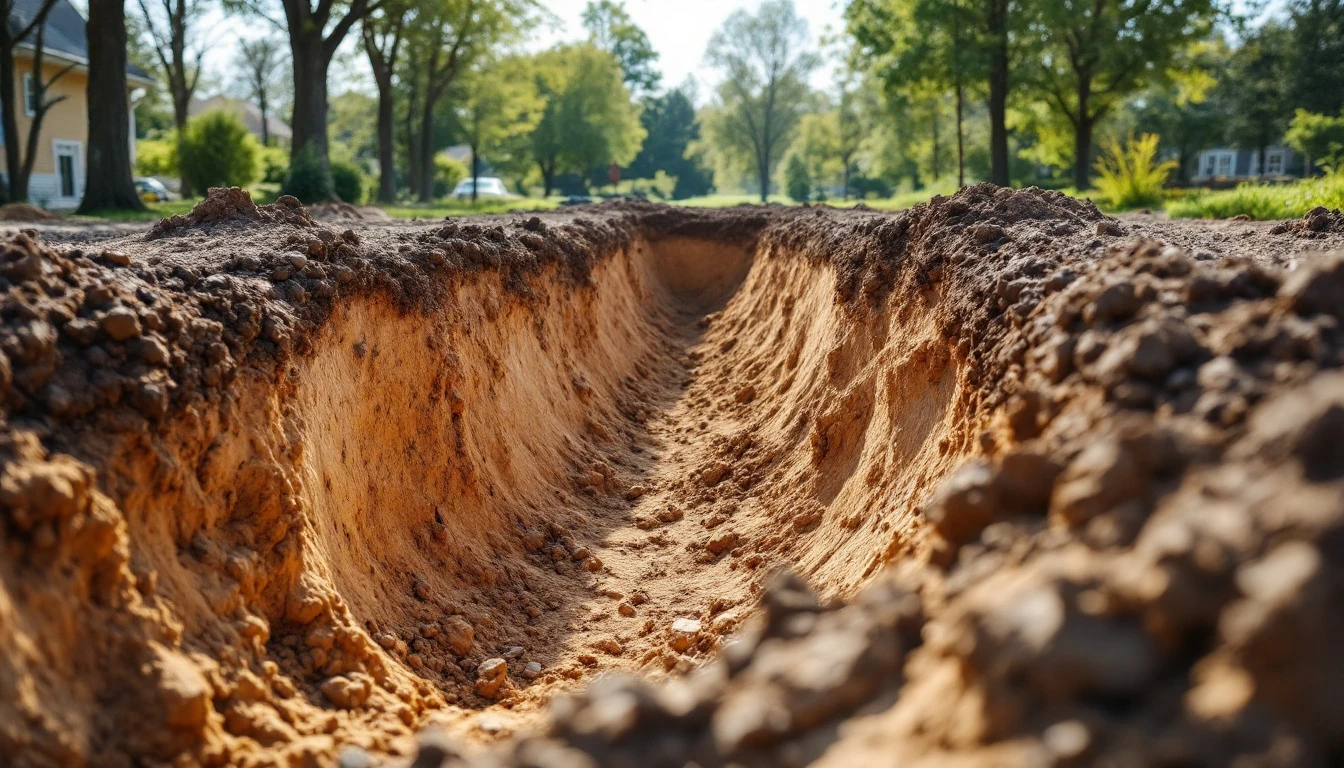
Most people picture a driveway project as pretty straightforward, dig, level, pour, done. But the moment you start moving dirt around, you're touching drainage patterns, erosion control, utility lines, and sometimes even your neighbor's yard. That's the reason a lot of driveway jobs need a grading permit before anyone breaks ground, even if the finished product is "just" a driveway. A grading permit deals with how your land gets cut, filled, or reshaped. What counts as enough to trigger one depends on where you live, city, county, or state rules vary. So does the amount of dirt involved, where on the property the work happens, and whether that driveway ties into a public street. So the real question homeowners should be asking isn't "does my driveway need a permit." It's "does the earthwork underneath it need its own separate sign-off, on top of whatever driveway or right-of-way permits I already know about."
What Is a Driveway Grading Permit?
It's approval you may need when building or redoing a driveway means changing the ground's existing elevation. That covers excavating soil, hauling in fill dirt, leveling out a slope, shifting soil from one spot on the lot to another, or just building the base layer a new driveway sits on. A number of local governments also fold grading into stormwater regulation, since reshaping land changes where rainwater goes and how fast.
If the lot slopes down toward the house, a contractor might have to cut into the high side and build up the low side just to get a driveway that actually works. Nothing about that reads as "major construction", it's still just a driveway, but it absolutely counts as regrading.
And plenty of cities lump paving itself into the grading conversation. Seattle's a good example: excavation, moving soil around, even laying new pavement can all fall under grading rules there, depending on the specific thresholds and what's exempted.
When Do You Need One?
There's no single national rule for this. It really comes down to whatever your local jurisdiction has decided. A few things tend to matter most:
How Much Dirt Is Moving
This is usually the big one. A flat lot might need almost no earthwork at all. A steep one might mean serious excavation, truckloads of imported fill, or both. Some places set hard numbers, Nashville, for instance, looks at earthwork volume alongside disturbed area, slope, and drainage conditions to decide whether a project needs grading approval. Don't assume your driveway is "too small" to matter; a lot of homeowners get caught out on exactly that assumption.
How Much the Grade Changes
Shaving off a few inches of topsoil and cutting several feet into a hillside are two completely different projects, even if they both technically count as "grading." Bigger elevation changes bring in questions about slope stability, erosion, and whether you'll need a retaining wall. If your driveway calls for a real cut or fill, don't be surprised if the permitting office wants a plan showing both the current elevations and what you're proposing.
Anything Near the Street
Driveway work rarely stays confined to your property line. Curbs, sidewalks, drainage ditches, road shoulders, the actual entrance point, all of that can be involved, and work inside a public right-of-way almost always needs its own separate approval.
Texas is a clear example, TxDOT requires an approved permit before certain driveway work happens within a state highway right-of-way. That approval touches on drainage, driveway slope, culverts, and protecting the roadside drainage system. Depending on exactly where the work happens, you might be filing for more than one permit, not just one.
Steep Lots, Flood Zones, and Other Tricky Spots
Location complicates things fast. Steep slopes, floodplain exposure, sensitive environmental land, or existing drainage problems usually mean extra scrutiny. San Diego County, as one example, requires grading plans that spell out drainage areas, slope conditions, driveway grades, and earthwork calculations for qualifying projects.
If your driveway climbs a steep approach, or there's a noticeable drop between the street and your house, it's worth a call to the local authority before any soil gets touched.
What Happens If You Start Digging?
Skipping the permit check and jumping straight into excavation can backfire in ways that cost more than the permit ever would have. If it turns out the work needed approval, you could be told to stop mid-project until it's sorted out. Depending on your local rules, that might come with fines, required fixes, or having to undo and redo work that's already finished. Drainage tends to be where this bites hardest. Fixing that after the fact can mean tearing up part of a driveway that was just finished, and regrading from scratch.
A permit won't guarantee flawless results. But going through the review process tends to catch these kinds of drainage headaches before they turn into expensive do-overs.
How to Find Out If You Need One
Before anything gets scheduled or dug, call your local building, engineering, planning, or public works department. Ask them directly about:
- Driveway permits
- Grading or earthwork permits
- Curb-cut or driveway-apron permits
- Right-of-way requirements
- Stormwater or erosion-control rules
- Floodplain or other environmental restrictions
- Whether you'll need a grading plan or engineering drawings
What Does Driveway Grading Permit Cost?
Fees are set locally and usually scale with project size, how much review it needs, inspections required, disturbed area, earthwork volume, and whether other permits get pulled alongside it.
And the permit fee itself is only a slice of the total cost. A more involved grading project can mean surveying, engineering, soil testing, drainage design, erosion control, equipment rental, imported fill, and inspections, all before the driveway surface goes down. Skip the online "average cost" articles and just call your local permitting office for their current fee schedule before you budget anything.
What Inspectors Check
If your project requires inspection, the inspector's job is to confirm the finished work matches what was approved. That can mean checking:
- The driveway sits where and how big the approved plan says it should
- Final grades and slopes
- Which way water is draining
- Erosion-control measures
- Retaining walls or slope stabilization, if applicable
- Curb, sidewalk, or road restoration
- Soil compaction
- Whether public drainage infrastructure is protected
Quick Checklist Before You Start
- Check your local driveway permit requirements
- Ask whether grading or earthwork needs its own permit
- Confirm whether any work touches the public right-of-way
- Call 811 before digging
- Document your current drainage and site conditions
- Estimate how much soil you're excavating or bringing in
- Ask if a grading plan or survey is required
- Confirm stormwater and erosion-control requirements
- Find out what inspections are needed
- Keep your approved permits and plans on site during construction
Final Thoughts
A driveway that holds up starts with what's happening underground, not the asphalt on top. Before any excavation begins, figure out whether you're looking at a grading permit, a driveway permit, right-of-way approval, or some combination of the three.
At Drivewayz USA, we've seen enough projects to know a driveway is more than what you can see. Grading, drainage, base prep, and access all shape how well it performs years down the line. Whether you're starting from scratch, replacing an old surface, or working around a stubborn slope, getting the planning right up front makes the whole build go smoother.
Contact Drivewayz USA for driveway planning help and to browse homeowner resources.
Frequently Asked Questions
No. It depends entirely on location and scope. Minor grade changes might not trigger anything, but substantial excavation, fill, slope changes, or drainage impacts usually will.
Not usually. A driveway permit tends to cover the connection to the public road. A grading permit deals with the excavation, fill, elevation changes, and drainage that happen on the property itself.
Don't assume you can. If that earthwork needed approval first, starting early can mean delays or being forced to redo work. Check first.
Not always, some do, some don't. It really depends on the jurisdiction, so ask directly what your permit covers.
Steep slopes, major cut-and-fill work, retaining walls, drainage structures, difficult soil, or anything that starts needing engineering sign-off, that's when a pro earns their fee. Getting the grade right before you pave saves you from expensive corrections later.