
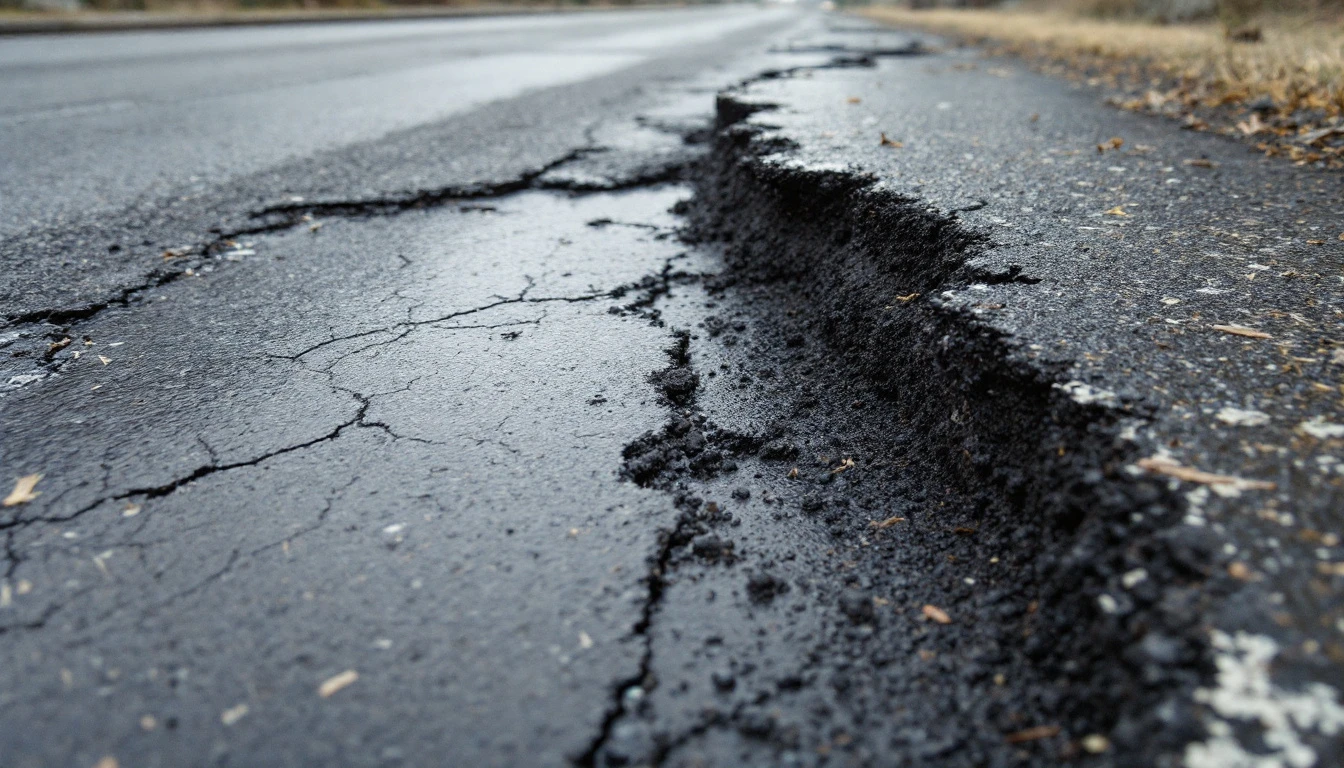
You just paid for a brand-new driveway, and a few weeks later you're staring at a crack, a puddle that won't drain, or a soft spot near the edge. Naturally, the first question that pops into your head is, is this on me, or is this on the contractor? Honestly, it depends. The answer hinges on what actually caused the problem and what your contract or warranty says about it. Generally, if a defect traces back to bad workmanship, the wrong materials, or a contractor cutting corners on the agreed specs, you've probably got a legitimate case for a callback. Before you pick up the phone and start pointing fingers, though, it helps to know the difference between a real construction defect and everyday driveway wear. That distinction can save you money and save you from paying for repairs a contractor should be covering anyway.
What Exactly Is a Driveway Callback?
It's when you bring a contractor back after the job's "done" because something's wrong, either a defect has shown up or the finished product just doesn't match what was promised.
Example:
Picture an asphalt driveway that starts crumbling at the edges not long after it's poured. If a closer look reveals the crew skipped proper compaction, that's a pretty strong sign the installation itself was the problem, which usually means it falls under warranty.
Concrete works the same way. A hairline surface blemish here and there? Probably nothing to worry about. But wide cracking, sinking sections, pooling water, or a surface that's already failing? That's worth digging into.
One thing worth remembering, just because you've called the contractor back doesn't automatically mean you're getting free repairs. It still comes down to why the driveway failed and what your warranty actually promises.
When Does the Contractor Owe You a Fix?
The case gets stronger the more clearly a defect connects to shoddy work, subpar materials, or a contractor straying from what was agreed upon.
Most warranty paperwork spells out what's covered, for how long, and what the contractor is obligated to do if something goes wrong. The Federal Highway Administration frames workmanship warranties as an agreement where the contractor fixes pavement problems that trace back to things within their control, not the weather, not your neighbor's delivery truck, but their own mistakes.
Sloppy Workmanship
How well a driveway is built has a huge impact on how long it lasts.
With asphalt, trouble often starts when the material isn't compacted properly, the edges are thrown together carelessly, or the base underneath wasn't prepped right.
Concrete has its own failure points, like bad finishing technique, cutting the curing process short, joints placed in the wrong spots, or just plain rushed installation. All of that can shorten a driveway's lifespan dramatically. If an inspection points to workmanship as the culprit, there's a good chance the contractor owes you a repair under warranty.
Wrong or Faulty Materials
What went into your driveway matters just as much as how it was installed. If your contract called for specific materials and the crew swapped in something cheaper or defective, that's usually on them. Also, don't assume every material issue is automatically covered, it is better to read your actual contract. Plenty of warranties treat material defects and installation defects as two separate categories with different rules.
Drainage and Grading Issues
Water is arguably a driveway's worst enemy. A properly built driveway should shed water, not collect it. If you keep noticing the same low spot turning into a puddle after every rainstorm, that's not something to shrug off, document it and get an inspection.
For Example
Say you've watched the same corner of your driveway fill up with water three storms in a row. If that traces back to poor grading or settling tied to the original construction, it's not routine maintenance, it's a construction problem that deserves a real look.
When It's Probably NOT the Contractor's Fault
Not every flaw you spot is grounds for a callback. Normal wear and tear, neglecting upkeep, parking something way too heavy on it, chemical spills, brutal weather, shifting soil, all of these can chip away at both asphalt and concrete driveways, and none of them are usually the contractor's doing. Your warranty likely spells out exclusions for exactly this kind of thing.
Think about the difference between a driveway that cracks because a delivery truck kept rolling over the same spot versus one that fails because the base was never compacted correctly in the first place. Same symptom, completely different outcome when it comes to warranty coverage.
Normal Cracks vs. Real Construction Failures
Cracking isn't automatically a red flag. Materials shift and age naturally over time. What actually matters is where the crack is, how big it is, the pattern it forms, and how soon after installation it showed up. A crack that appears within weeks of the job finishing deserves a much closer look than a tiny hairline that shows up years down the road from ordinary use. Rather than assuming every crack is either "covered" or "not covered," the smarter move is figuring out why it happened in the first place.
Documenting the Problem the Right Way
Good records make warranty conversations infinitely easier and a lot less stressful.
The moment you spot an issue, start taking pictures. Get close-up shots of the damage itself, plus wider photos showing exactly where it sits on the driveway.
Standing water after a storm? Photograph it. Cracks? Shoot them from multiple angles, and toss a ruler in frame if you can so the size is obvious. Hang onto:
- Your original contract and the project specs
- Any warranty paperwork
- Invoices and proof of payment
- Before-and-after photos
- Emails, texts, or letters between you and the contractor
- Any inspection or repair reports
And whenever you can, put your callback request in writing. It creates a paper trail proving when you reported the issue and exactly what you asked to have fixed.
What a Contractor Should Do Once You've Called
A contractor who actually knows what they're doing will investigate the root cause first, not just slap on a quick cosmetic fix and call it a day. That inspection might involve checking the surface, drainage, joints, edges, the base layer, or even the surrounding ground.
If the warranty covers what's found, the fix depends entirely on the specific language in that agreement, it might mean repairing a section, replacing part of the driveway, or correcting whatever underlying issue caused the failure.
It's fair to ask the contractor directly whether their proposed fix actually solves the root problem. Filling a crack might make it look better temporarily, but if something's shifting underneath the surface, that same crack is probably coming right back.
Sidestepping Callback Disputes Altogether
Most of these headaches can be avoided before a single shovel hits the ground.
Ask for a detailed, written scope of work, one that spells out the driveway material, base prep, drainage plan, installation specs, payment schedule, and warranty terms.
Don't take a handshake or a verbal promise at face value. If a contractor tells you they'll cover a certain repair standard or warranty, get it in writing before you sign anything.
It also pays to understand what maintenance falls on you after the driveway's finished. Some warranties won't cover damage that happens because you skipped basic upkeep the contract required.
Watch Out for Vague Repair Cost Estimates
There's no universal price tag for a callback repair. It swings based on the material, how much area is affected, what caused the failure, how easy the spot is to access, local labor rates, and whether warranty coverage applies at all.
If it's a legitimate workmanship issue under warranty, you might owe little to nothing out of pocket. If it's a maintenance problem or damage outside the warranty's scope, that bill is probably landing on you.
Before agreeing to pay for anything, ask for a written explanation of the problem plus an itemized estimate, especially if the contractor is telling you the warranty doesn't apply.
What If the Contractor Just Says No?
If a contractor refuses to fix something you genuinely believe is covered, stay organized and keep everything in writing. Start by rereading the exact warranty language. Then send over your photos, the relevant section of the contract, and a clear, concise explanation of the defect.
Still stuck? You can reach out to your state or local contractor licensing board, a consumer protection agency, or another qualified professional for guidance. Just know that available remedies and complaint processes vary depending on where you live. Try not to jump straight to accusations before the cause is actually confirmed. A professional inspection will get you a lot further than an argument on someone's front porch.
Final Thoughts
A driveway callback isn't really about dragging a contractor back to the job site out of spite. It's about figuring out whether the problem stems from workmanship, materials, design, poor maintenance, natural aging, or something entirely outside anyone's control.
If you're planning a new driveway, a replacement, or just trying to figure out a repair, Drivewayz USA has resources built to help homeowners get a handle on materials, installation, and the kinds of project decisions that prevent headaches later.
Frequently Asked Questions
It's follow-up work you request after the original driveway job is finished, usually to address a defect or something covered under the contractor's warranty or original agreement.
Not always. It comes down to the cause of the defect and what your contract, warranty, and state regulations actually say. Workmanship problems are often covered; normal wear, misuse, or skipped maintenance usually aren't.
Put it in writing right away. Include photos, the date you noticed the issue, a clear description, and the relevant contract or warranty section if you have one. Save every bit of correspondence.
Depends on the cause and how bad the damage is. A patch might work for a small, isolated issue, but a recurring problem tied to an underlying construction flaw usually needs something more thorough. Ask the contractor to explain how their fix addresses the actual cause, not just the symptom.
There's no fixed number, it depends on the situation. If a valid workmanship warranty covers it, the contractor may handle the corrective work at little or no cost to you. If it falls outside the warranty, you're likely paying. Either way, get a written explanation and estimate before you approve anything.