
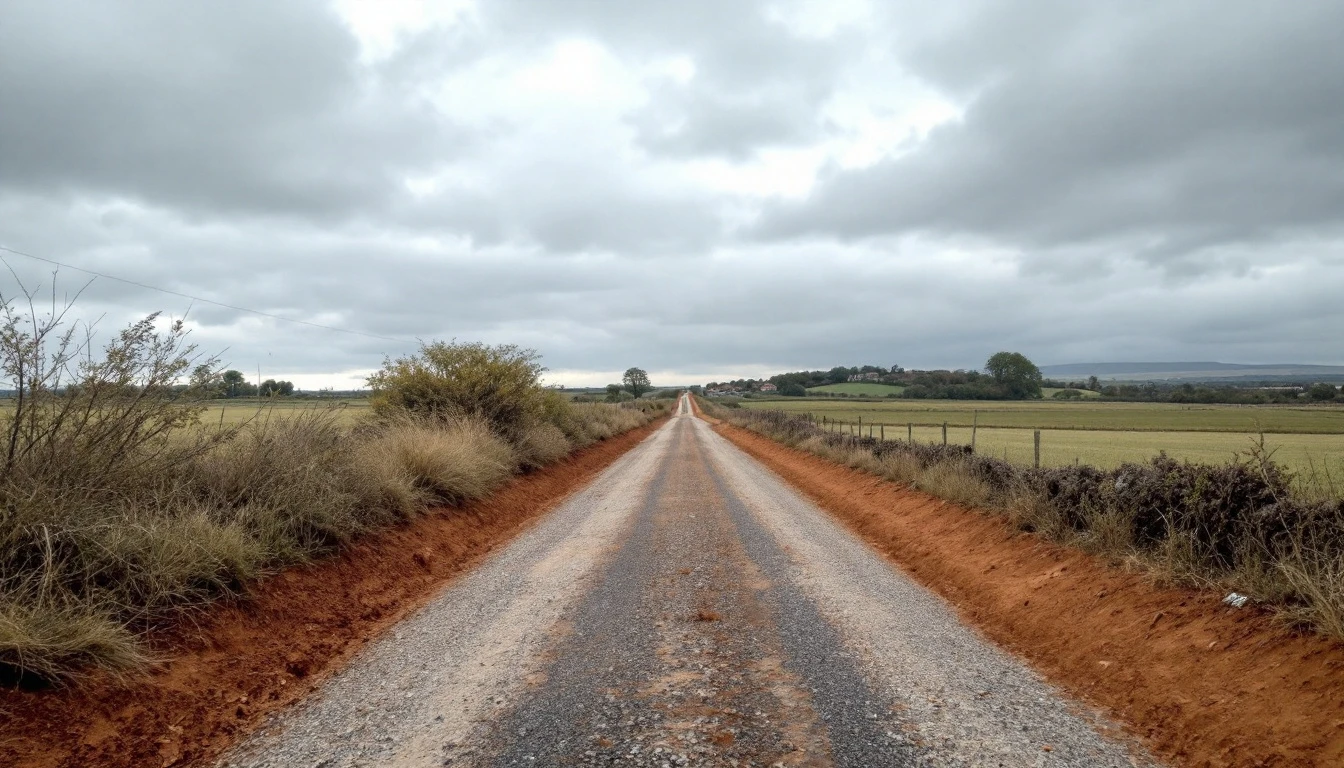
If you've got clay soil under your future driveway, you already know it's not going to play easy. This stuff swells up like a sponge when it rains, then shrinks and cracks the second things dry out. That constant push-and-pull is exactly why so many driveways, even expensive ones end up cracked, sunken, or lopsided within a few years. So what's the move if you want something that holds up but doesn't drain your wallet? It comes down to picking the best materials for your driveway. It should flex with the ground instead of fighting it, and getting the groundwork right before you even think about the surface layer.
Why Clay Soil Is Such a Headache
Clay doesn't drain well. It holds onto water, which makes the ground underneath expand. Then when things dry out, it pulls back and cracks. That back-and-forth movement, year after year, is what causes:
- Cracks spreading across the surface
- Dips and uneven spots
- Water pooling instead of draining
- A driveway that just doesn't last as long as it should
The cheapest material isn't always the cheapest option once you consider repairs down the road.
What a Decent Budget Driveway Needs to Have
Honestly, the surface material matters less than what's underneath it. A driveway that actually survives clay soil usually has these things going for it:
A Solid Base
Compacted crushed stone or gravel underneath spreads the weight out and keeps things from shifting around.
Somewhere for Water to Go
If water can't escape, the clay swells, and no amount of good surface material saves you from that.
Some Give
Stiff, rigid surfaces crack under pressure. Materials with a bit of flexibility hold up far better against soil movement.
Minimal Upkeep
If a "budget" driveway needs constant patching, it's not really budget-friendly anymore.
Driveway Materials That Actually Work on Clay
Gravel Driveway
Gravel tends to be the go-to answer here, and for good reason. Water moves right through it instead of pooling on top, and it shifts along with the ground instead of cracking against it.
What's good about it:
- Cheap to put in
- Simple to patch up yourself
- Handles water really well
- Moves with the soil instead of fighting it
You'll need to rake and top it off now and then, especially where cars turn or park a lot.
Crushed Stone
Think of this as gravel's slightly more put-together cousin. The stones lock together better, which gives you a firmer, more stable surface without giving up much on cost.
- Feels sturdier underfoot than loose gravel
- Holds up longer
- Still cheap to install
Layer it properly over a good base and you get something noticeably more stable than plain gravel, without spending a lot more.
Asphalt Driveway (If Installation Done Right)
Asphalt can work on clay soil, but only if the base underneath is done properly. Skip that step and you're setting yourself up for cracks in a year or two. What you'll need:
- A thick, well-built base
- A real drainage plan
- A slightly bigger budget than gravel
A lot of people go this route because they want that smooth, finished look without a massive price jump, just don't cut corners on the prep work, because that's where asphalt driveways usually fail.
Tar and Chip
This is basically the middle ground between gravel and full asphalt, hot liquid asphalt mixed with stone chips.
- Costs less than a full asphalt job
- Has a textured, natural look
- Grips better underfoot and under tires
It's a solid pick if you want something more finished-looking than gravel without paying full asphalt prices.
Permeable Options
Permeable driveways, pavers, grid systems packed with gravel, and porous asphalt are built to let water soak through instead of sitting on top. Since water isn't building up against the clay, the soil doesn't swell as much, which means your driveway lasts longer overall.
Getting the Installation Right
Even the best material won't save a driveway with bad prep work. A few things make a real difference:
- Dig deep enough: Clear out the loose, unstable topsoil first, don't build on top of it.
- Lay down geotextile fabric: It keeps the soil and base material from mixing together over time, which keeps everything stable.
- Build a real base: A thick layer of crushed stone spreads weight evenly and cuts down on shifting.
- Grade it properly: Even a slight slope keeps water moving away instead of sitting still.
- Compact as you go: Don't just pile everything on at once, compact each layer so it doesn't settle unevenly later.
Mistakes That Cause Most Failures
Most driveway problems on clay soil trace back to one of these:
- Rushing or skipping the base work
- Not planning for drainage at all
- Picking rigid materials that can't flex
- Underestimating just how much the soil moves
- Chasing the lowest price without thinking ahead
Skip these mistakes and you'll save yourself a lot of repair bills later.
Which One Should You Pick?
It really comes down to what you're prioritizing:
- Rock-bottom price? Gravel or crushed stone.
- Smoother look? Asphalt or tar and chip.
- Long-term durability? Permeable materials over a solid base.
Your climate, how often you'll use the driveway, and how much maintenance you're willing to do should all factor into the final call.
Final Thoughts
A clay-soil driveway doesn't have to cost a fortune, it just needs a bit more thought than usual. Get the base and drainage right, pick a material with some flexibility, and you'll end up with something that actually lasts instead of something you're patching every spring.
At Drivewayz USA, you'll find more detailed guides and material comparisons if you want to dig deeper into what works best for your specific soil and budget.
Frequently Asked Questions
Gravel usually wins here, it's affordable, drains well, and flexes with the ground.
You can, but only with a strong base and proper expansion joints. Without that, it's prone to cracking as the soil shifts.
Dig it out properly, build a thick base, and make sure water has somewhere to go. Geotextile fabric helps too.
Asphalt looks smoother, but gravel handles drainage and movement better. It really depends on what you're after.
Plan on leveling and topping it up roughly every 1 - 2 years, depending on how much it's used and what the weather's like.