
You get a quote, you pick your material, and you think you know what the project will cost. Then the invoice comes in higher than expected, and you're wondering where all that extra money went. This happens to homeowners constantly, and it's because someone did the calculations wrong. A driveway project has a lot of moving pieces that never make it onto that first estimate.
Why the Final Bill Rarely Matches the First Quote
Pouring concrete or laying asphalt is really just the last visible step in a much longer process. Before that ever happens, there's ground work, code compliance, and decisions about how the driveway will hold up over the next decade or two. Most base quotes only account for the finished surface, everything happening underneath or around it tends to get added on once work is already underway.
What's Really Involved in Prepping the Site
Site prep is where a lot of homeowners get their first surprise.
The Soil Condition Matters
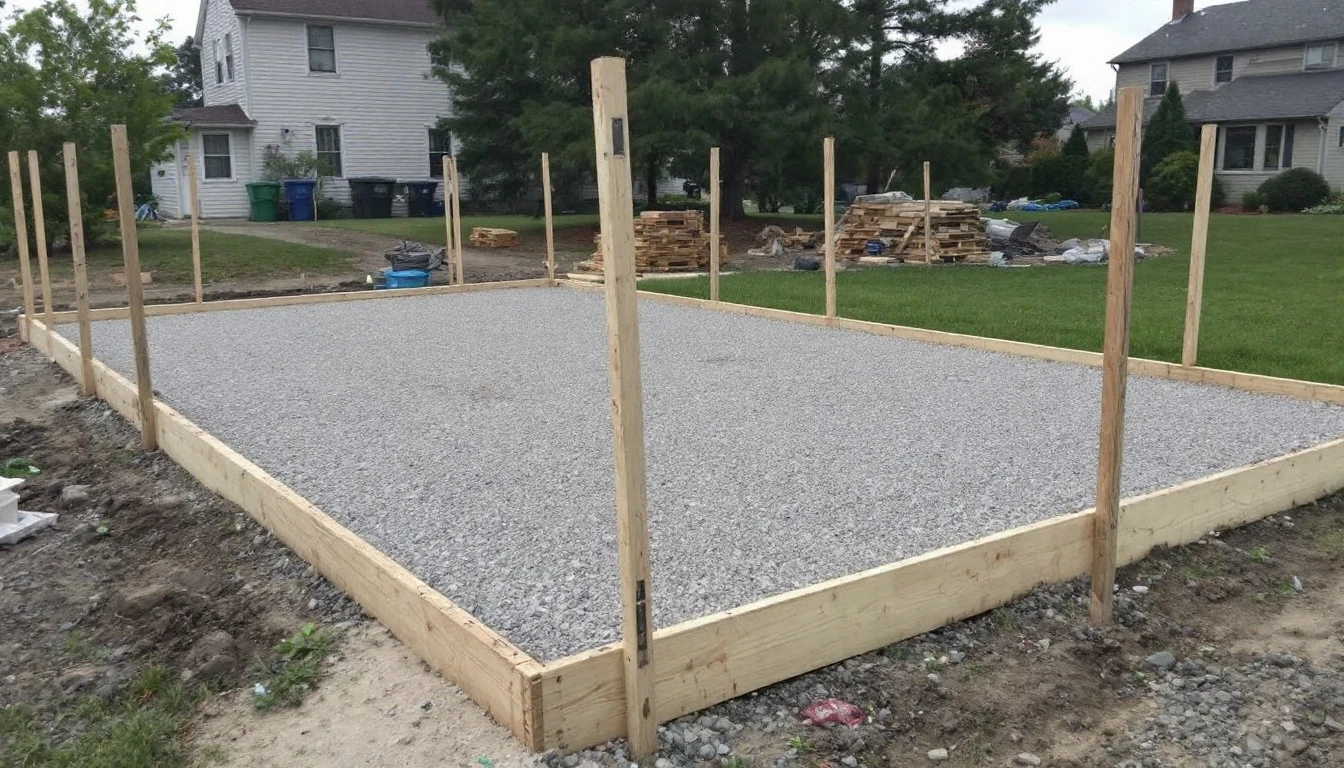
Clay-heavy soil, uneven ground, or poor drainage patterns mean your contractor needs to grade or stabilize the area before anything else happens. Someone expecting a straightforward install might suddenly be looking at extra equipment time and labor just to get the ground ready.
Tearing Out the Old Driveway Costs Too
If there's already a driveway in place, someone has to break it up, haul it away, and pay whatever disposal fees apply. That's rarely a line item people think about until it shows up on the bill.
Drainage Isn't Optional, Even If It Feels Like It
Water is the enemy of any driveway, and if it doesn't have a proper way to flow, it will find its own way, usually straight through your new surface. Depending on your yard's layout, you might need a French drain, a re-graded slope, or a channel drain system. None of these show up in a basic quote, but skipping them tends to cost far more down the line.
Example
Imagine someone installs a concrete driveway without giving much thought to slope. A year later, water is pooling in the same spot every time it rains, cracks start forming, and now they're paying for repairs that proper planning would have prevented entirely.
Permits and the Rules
Depending on where you live, connecting a driveway to a public road might require a permit. Permit fees are one of those costs that just doesn't cross people's minds during initial budgeting.
Beyond the fee itself, your town or city may have specific rules about driveway width, approved materials, or where access points can go. Skip one of these requirements and you could be facing fines or, worse, having to redo work that's already finished.
When "Just Pick a Material" Gets Complicated
Choosing between asphalt, concrete, and pavers is only part of the decision. A few other things factor in:
- The base layer matters more than people expect: A weak or thin base won't hold up, so contractors sometimes need to add gravel or reinforcement, which means added cost.
- Material prices move: Asphalt and concrete pricing shifts with the market, so the number you were quoted a month ago isn't guaranteed by the time the crew shows up.
Labor Costs More Than You'd Guess
Not every driveway is a simple pour-and-done job. Bringing in excavators, compactors, or other heavy machinery adds to the bill. And if you're going for something more custom like stamped patterns, decorative borders, unique finishes, that kind of work calls for skilled labor, which naturally costs more than a standard install.
The Stuff Nobody Sees Coming
Sometimes a contractor starts digging and finds something nobody expected, like a buried utility line, soil that's weaker than it looked from the surface, or tree roots running right through the work area. None of this shows up during a walkthrough inspection, but all of it needs to be dealt with before the project can move forward safely.
The Extras That Add Up After the Base
Once the driveway itself is done, a lot of homeowners want to take it further with:
- Edging or border details
- Sealing or protective coating
- Decorative patterns or textures
These upgrades make a real difference in how the driveway looks and how long it lasts, but they're add-ons, meaning added cost on top of the base project.
The Costs Keep Going After Installation
A driveway isn't a one-and-done expense. Ongoing upkeep, sealing asphalt every few years, filling cracks before they spread, general cleaning and small repairs, is part of the real cost of ownership. Skip this maintenance and you're likely looking at a full repair or replacement much sooner than you'd want.
How to Stay Ahead of These Costs
A few simple habits can save you from most of these surprises:
- Ask for a quote that spells out every possible cost, not just materials and labor
- Bring up site prep and drainage needs before signing anything
- Check with your local permitting office ahead of time
- Talk through material options and how pricing might shift
- Budget for maintenance from day one, not as an afterthought
Do this upfront work, and you're far less likely to blow past your budget or run into problems down the road.
Final Thoughts
A driveway is one of those projects where the real cost lives in the details. The ground beneath it, the drainage around it, the permits behind it, and the upkeep after it's built. Skipping over any of that doesn't make the cost disappear; it just delays it.
Working with a contractor who's upfront about all of this from the start makes a real difference. At Drivewayz USA, that's the approach: transparent pricing, honest planning, and driveways built to actually last whether you're starting fresh or replacing something old.
Frequently Asked Questions
Site preparation, drainage work, permit fees, and unexpected repairs, like poor soil conditions or buried obstacles are the ones that catch people most often.
Pick materials that suit your climate and soil, plan drainage from the start, and work with a contractor who gives you a genuinely detailed estimate rather than a bare-bones one.
Not always, but many do, especially if it connects to a public road. It's worth checking your local rules before you start.
Without it, water pools, seeps into the surface, and eventually causes cracking and erosion that shortens your driveway's lifespan.
Typically not. Sealing, crack repair, and general upkeep are ongoing costs homeowners need to plan for separately.