
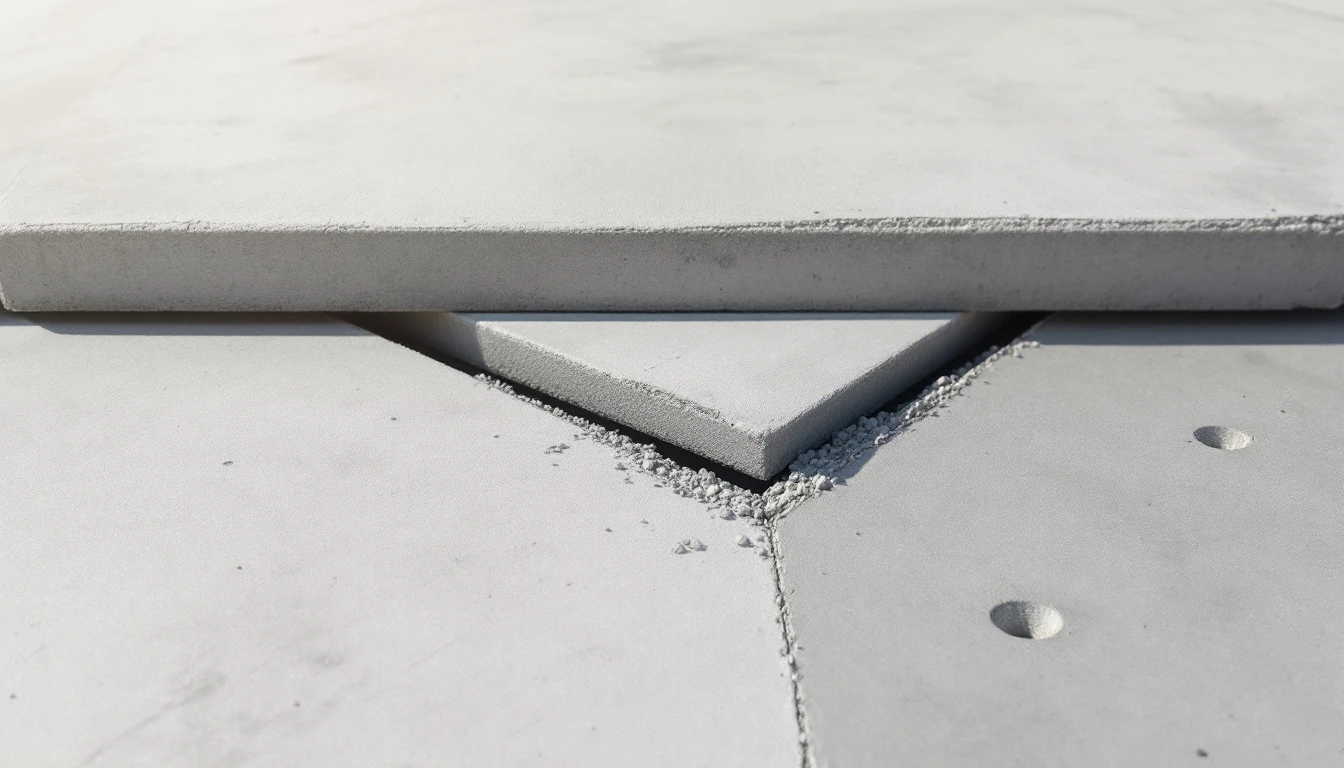
If your driveway has started to dip, tilt, or pull away from the walkway next to it, something has changed underneath the slab. Concrete doesn't just decide to sink on its own. Water washes soil away, fill that wasn't compacted properly settles over time, or moisture swings leave hollow spots under the surface. Once that support disappears, the slab has nowhere to rest. Here's the part homeowners are usually relieved to hear, that is, you don't automatically need to tear out and repour a sunken driveway. Plenty of slabs can be raised back into place instead, through a process called slab jacking. There are two main ways to do it, such as mudjacking and polyurethane foam injection. This comparison is for a concrete slab a contractor finds suitable for lifting. Sinking asphalt, gravel, and paver driveways are repaired differently. FHWA distinguishes slab stabilization, which fills underlying voids without intentionally lifting the slab, from work intended to raise settled concrete. Ask which operation the contractor proposes. But before you pick a method, it is useful to understand why the driveway sank in the first place.
Why Do Driveways Sink?
The concrete is rarely the actual problem. It's what's underneath it. A few of the usual suspects:
- Soil or fill that wasn't compacted well to begin with
- Erosion from runoff
- Drainage systems or downspouts that leak
- Soil that keeps wetting and drying out
- Voids that form beneath the slab over time
- Shortcuts taken during the original installation
Water tends to be the common thread. A driveway looks perfectly fine for years, until a downspout keeps dumping water next to one corner of it. Slowly, the soil underneath washes away. Eventually you notice a low spot, maybe where your car tire sits, maybe where rainwater starts pooling after every storm.
Before anyone jumps to a repair method, though, a contractor needs to check whether the slab is even a good candidate for lifting. If the concrete is badly cracked, broken apart, or structurally shot, lifting isn't going to solve much, you may be looking at replacement instead.
Mudjacking: The Old Reliable
Mudjacking is also called slabjacking. It involves pumping a cement-based grout underneath the settled slab. As the material builds up pressure, it fills the voids and slowly pushes the concrete back toward where it started.
In practice, that means drilling access holes through the driveway, setting up injection equipment, pumping in the grout, and watching the lift closely as it happens. Once the slab hits the right elevation, the holes get patched.
What's Good About It
Mudjacking has stuck around for a reason. It delivers solid support under a slab, and it often costs less than polyurethane, though the quote depends on the job. The grout itself has real compressive strength when it's mixed and installed correctly, which makes it a reasonable option for bigger driveways where a handful of visible patch spots isn't a dealbreaker. There's also the track record. Cement-grout slab jacking has been a go-to in pavement repair for decades, Ask how this contractor will watch the lift on your slab.
Where It Falls Short
Weight is the main issue. Cement grout is heavy, noticeably heavier than foam. And if the soil underneath was already weak or still shifting, piling more weight on top of it doesn't fix the underlying problem. It might just delay it. You'll also need bigger access holes than most foam systems require, and those patched spots can stay visible, especially on older concrete or anything decorative.
One more thing worth asking about is the curing time. How long before you can drive on it again depends on the grout used and the site conditions, so let your contractor walk you through that before you plan around it.
Polyurethane Foam Injection
Polyurethane injection is also called polyjacking. It works a bit differently. Small holes get drilled into the slab, and an expanding polyurethane material gets injected through them. As the foam expands, it fills the voids underneath and lifts the concrete. Some high-density polyurethane products are built specifically for this kind of slab-lifting work.
Why People Choose It
Weight is the reason many homeowners ask about foam. Foam products are generally lighter than cement grout, which matters if the soil is already soft. How soon you can drive on the repair depends on the product and the site. Injection holes are often smaller, so the patches can be easier to hide. This method tends to shine on things like a driveway apron, a garage entrance, or a sidewalk connection, anywhere precision and minimal disruption actually matter.
The Trade-Offs
It costs more. How much more depends on how much lift is needed, the slab's size and condition, the specific foam product, site access, and local labor rates. Contractor skill matters here, maybe even more than with mudjacking. Foam expands fast, and if it's not controlled carefully, it can push the slab higher than intended.
Also not all polyurethane products are the same. Density, strength, and installation method vary by manufacturer, so it's worth asking exactly what's being used rather than assuming one foam is as good as another.
Mudjacking vs. Polyurethane Foam
| Factor | Mudjacking | Polyurethane foam |
|---|---|---|
| Material | Cement-based grout | Expanding polyurethane |
| Weight added beneath the slab | Generally heavier | Generally lighter |
| Injection holes | Often larger | Often smaller |
| Cure time | Set by the grout and the site | Set by the foam product and the site |
| Typical cost | Often lower, not always | Often higher, not always |
| Best fit | Many ordinary concrete-slab lifts | Lifts where a lighter material is preferred |
Price shouldn't be the only deciding factor here. But the condition of your driveway matters more. And no matter which method you choose, neither one fixes why the driveway sank in the first place. If water is still eroding the soil underneath, the same problem can come back regardless of what material was used to lift it.
Can You DIY This?
You can photograph the sunken area, watch where water ponds after rain, look at nearby downspouts, and note when cracks appear or change. Leave excavation, underground drainage, and any injection or lifting to a qualified contractor. Both mudjacking and foam injection use specialized pumps, and a poor pattern can crack the slab or lift it unevenly.
Choosing the Right Contractor
A few questions worth asking before you hire anyone:
- Do they do this regularly, and are they insured?
- How do they diagnose the problem?
- What exactly is in the estimate?
- What material are they using, and why?
When Lifting Isn't Enough
Not every sinking driveway is a good lifting candidate. If the concrete is heavily cracked, broken into pieces, badly deteriorated, or sitting on a base so unstable that injection can't realistically fix it, replacement is probably the more sensible route. A qualified contractor should be upfront about whether your slab has enough structural integrity left to raise. Slab jacking is meant for localized settling not as a catch-all fix for concrete that's fallen apart.
Final Thoughts
Fixing a sinking driveway really starts with figuring out what caused it to sink. Mudjacking is a long-used option and is often the lower quote. Polyurethane foam is generally lighter, and the holes are often smaller. Cure time follows the product and the site.
But the real question isn't "mudjacking or polyurethane." It's whether your driveway is even a good candidate for lifting, what caused the settlement, and whether that root cause can actually be fixed.
Before you commit to a repair, have the slab evaluated, compare the two operations, and deal with the drainage or soil issue that caused the settlement.
Frequently Asked Questions
If the slab is a good candidate, slab jacking is usually the answer. Contractors inject cement grout or polyurethane underneath to fill voids and raise the concrete back up. Badly damaged slabs may need full replacement instead.
Not exactly "better", just different. Mudjacking is generally heavier and often costs less, though the quote depends on the job. Polyurethane foam is generally lighter, and the holes are often smaller. Which one makes sense depends on your slab, soil, drainage, and access.
It can stabilize and fill voids, but it's not a guarantee against future settlement. If drainage problems or soil erosion continue, new issues can show up. That's why addressing the actual cause matters as much as the lift itself.
There's no set number. It comes down to the concrete's condition, the soil underneath, drainage, how well the job was done, traffic, and weather. Solid diagnosis and good water management go a long way toward making it last.
If the concrete's still structurally sound and the issue is localized settling, lifting is worth considering. If it's badly broken or deteriorated, replacement is probably the smarter move. A professional inspection will tell you which camp you're in.