
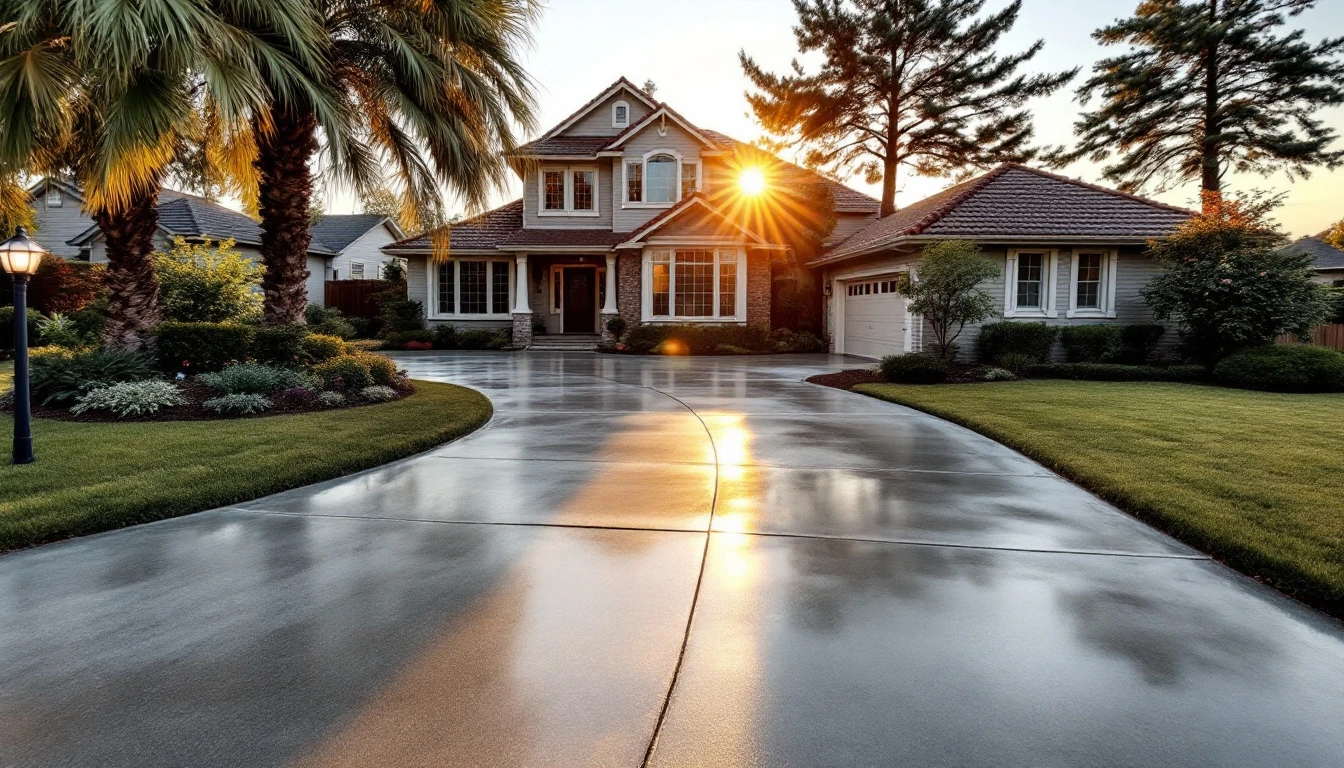
If you've ever stood at the end of your driveway and thought, "this thing has seen better days," you're not alone. It's one of those home features people don't think about until it starts cracking, pooling water, or just looking tired next to an otherwise nice house. And once you start pricing out a replacement, the next question is obvious: will this actually pay me back? That's really what a driveway ROI calculator is trying to answer. It's not magic, it's just a structured way of weighing what you'll spend against what you'll get back, whether that's in resale value, lower upkeep costs, or simply not dreading the drive up to your own garage.
What a Driveway ROI Calculator Actually Does
At its core, this kind of tool takes your project cost and stacks it up against the potential upside: a bump in home value, savings on future repairs, and the harder-to-quantify stuff like curb appeal. You plug in numbers for materials, labor, and site prep, and it helps you see whether the investment makes sense for your situation. It won't exactly show out a guaranteed resale figure, nothing can promise that, but it gives you something more useful than a gut feeling.
Why This Matters More Than People Think
Driveways are one of the first things anyone sees when they pull up to your house. Not the kitchen, not the backyard but the driveway. That first impression carries weight, whether you're hosting a dinner party or listing the house next spring.
It Sets the Tone Before Anyone Walks In
Real estate agents talk about curb appeal for a reason. A driveway that's cracked, patchy, or overrun with weeds signals neglect, even if the inside of the house is immaculate. Swap that same driveway for a clean concrete or paver surface, and buyers subconsciously assume the rest of the property has been cared for too. You don't need to be selling to feel this benefit, either. Coming home to a driveway that actually looks good is a small daily win that adds up.
It Protects What's Underneath It and Around It
Beyond looks, a well-built driveway is doing quiet structural work. Directing water away from your foundation, stopping erosion, and giving your car (and your alignment) a break from potholes and uneven slabs. Pick the right material for your climate, and you're looking at fewer repair bills down the road, which is its own form of ROI, even if it never shows up on a resale sheet.
What Actually Moves the ROI Needle
Not every driveway project pays off the same way. A few things tend to make or break the return.
The Material You Choose
Concrete tends to be the low-maintenance, long-haul option. Asphalt is cheaper up front and holds up well in colder climates where it can flex instead of crack. Pavers cost more but bring a design element that some buyers are willing to pay a premium for.
Your Local Market
In a hot, competitive housing market, a fresh driveway can genuinely sway a buyer's decision and nudge up your asking price. In a slower market, don't expect the same bump, the payoff there tends to come more from avoided repairs and everyday usability than from a dramatic jump in offers.
How Bad the Old One Was
If your current driveway is falling apart with cracks, standing water, chunks missing, replacing it does double duty. It removes a red flag for buyers and gives your home a "move-in ready" feel that's hard to fake.
Layout and Design
Even the width and slope matter. A driveway that's awkward to park in or turn around on is a functional annoyance no matter how nice the surface looks. Good drainage and clean edging go a long way toward making the space actually work.
A Quick Example
Picture a $300,000 home with an old asphalt driveway that is cracked, pooling water after every rain, generally an eyesore. The owner replaces it with concrete, adds proper drainage, and finishes it clean.
Realistically, that kind of upgrade might push property value up somewhere in the 3 - 5% range, depending on the market. On top of that, buyer interest tends to pick up simply because the driveway no longer raises questions, and repair costs over the next several years drop significantly. None of that is guaranteed dollar-for-dollar, but the combination usually justifies the spend.
How to Actually Run the Numbers Yourself
If you want to estimate your own ROI instead of just eyeballing it, here's a simple way to approach it:
- Add up the full project cost from materials, labor, grading, drainage work, everything. Don't just price the slab; price the whole job.
- Look at comparable homes nearby that have updated driveways and see what kind of premium, if any, they're commanding.
- Factor in what you'll save on maintenance and repairs over the next 5 - 10 years with a more durable surface.
- Weigh the total gain against the total cost. Even a modest resale bump plus years of avoided repairs can add up to a solid return.
Picking the Right Driveway for Your Situation
Not every upgrade is created equal, and chasing trends over function is usually a mistake.
Match the Material to Your Climate
Asphalt tends to do better where winters are harsh, since it flexes rather than snaps under freeze-thaw cycles. Concrete generally holds up better in hot climates. And if you're somewhere that gets a lot of rain, drainage design should be a priority regardless of material.
Function Before Flash
A beautifully patterned paver driveway that cracks or shifts within a few years isn't a good return, it's a future expense. Prioritize what performs well over time.
Don't Overlook Maintenance
A surface that's easy to keep up saves you money quietly, year after year, and that adds directly to your overall return.
Mistakes That Quietly Kill Your ROI
A few missteps can turn a good investment into a mediocre one:
- Picking a material that isn't suited to your climate
- Ignoring drainage problems instead of solving them
- Hiring a contractor without a solid track record
- Overdesigning the space at the expense of how it actually functions
Steering clear of these keeps your project on track to actually deliver value, not just a nicer-looking parking spot.
Final Thoughts: Is It Worth It?
For most homeowners, yes. A solid driveway does more than look good, it protects your property, makes daily life a little easier, and tends to pay you back in some combination of resale value and avoided repairs. The exact number varies by market and material, but the overall case for investing is a strong one.
At Drivewayz USA you'll find guides, material comparisons, and planning resources to help you figure out the right driveway for your home, whether you're prepping to sell or just tired of looking at cracked asphalt every morning.
Frequently Asked Questions
It depends heavily on your market, the material you choose, and the shape your current driveway is in, but curb appeal and functionality improvements generally translate into some increase in perceived value.
Concrete and asphalt tend to offer the best balance of cost and durability. Pavers look great and can command a premium, but they usually cost more to install.
Yes, a cracked or damaged driveway can turn off buyers or lead to lower offers, while a well-kept one works in your favor.
Some of it's immediate, through curb appeal. The rest builds over time as you avoid repair costs and enjoy lower maintenance.
No, think of it as a solid estimate based on your costs, local market, and property value, not a guarantee.