
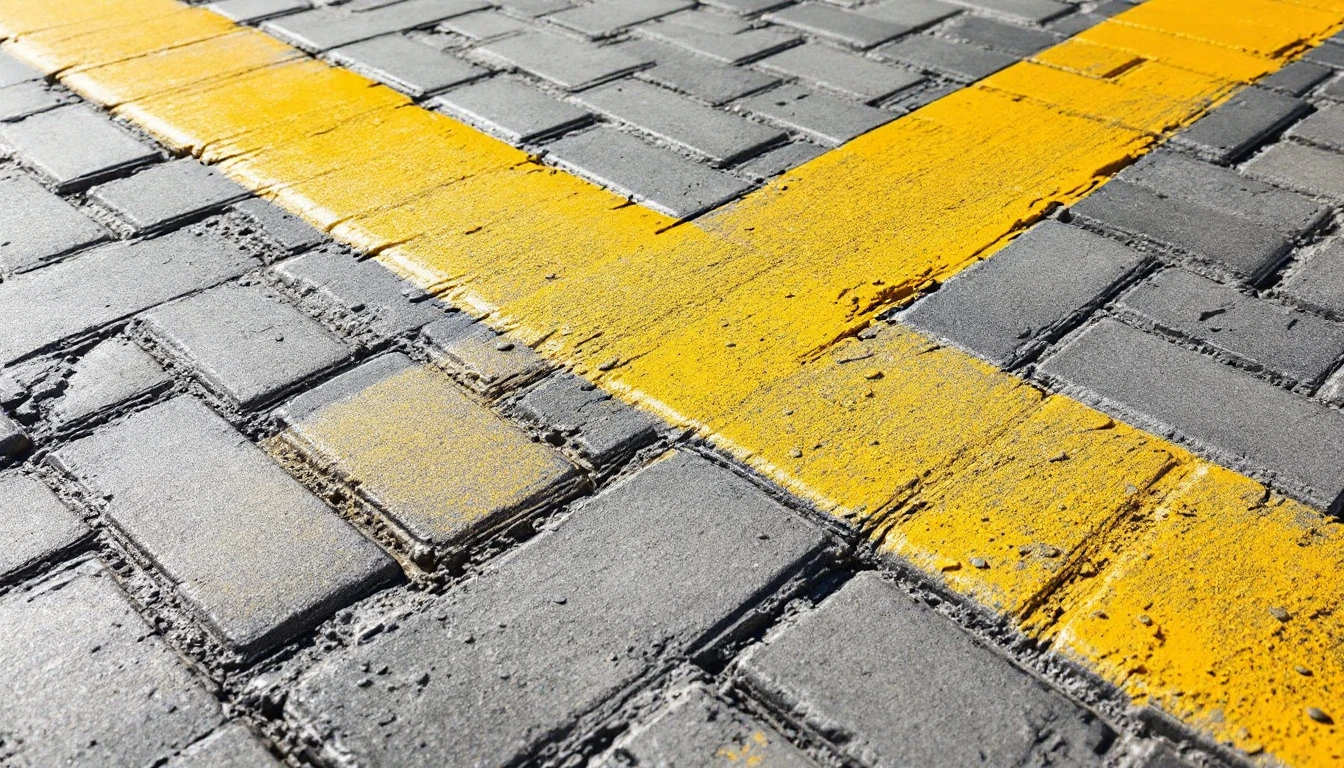
You don't need to tear out your driveway and start from scratch to make your house look better from the street. If the pavement underneath is still solid, a mix of cleaning, small repairs, sealing, better edges, and a bit of lighting can go a long way. None of it has to turn into a full-blown construction project. The ideas below are built around real budgets and real driveway types. Asphalt, concrete, pavers, and gravel each wear differently and need a different kind of attention. The trick is figuring out what's actually wrong before you start spending.
Why Refreshing Instead of Replacing?
Your driveway is usually the first thing people see when they pull up to your house. Stains, faded pavement, weeds pushing through cracks, gravel scattered everywhere, chipped edges, all of it adds up to a place that looks a little run-down, even if the rest of the house is in great shape.
A full replacement costs a lot more once you factor in excavation, new base material, drainage work, and a crew to install it all. If the base is still sound, a full replacement may be more than the driveway needs.
Take a faded asphalt driveway that is still structurally sound. Cleaning, filling ordinary cracks, and sealcoating can refresh the look. Sealcoating does not repair a failed base. A gravel driveway is a different job. It is not cleaned, crack-filled, and sealed like asphalt. Displaced stone can often be raked back and topped up, with edging to keep it in place, when the base and drainage are still sound. The point is to put your money where it'll actually show.
Planning Around a $2,000 Budget
Start by measuring the driveway length and average width. It gets you the square footage, which you'll need before buying any materials. How you split up the budget depends on what shape the driveway is in. A driveway that's mostly clean might only need maintenance and cosmetic touch-ups. One with drainage issues, heavy cracking, or sunken spots might need a professional to look at it first. A reasonable way to break down $2,000:
- Cleaning and prep work
- Crack or joint repair
- Sealing or a surface treatment
- Edging and landscaping
- Lighting
- A small decorative touch, like a paver apron
Remember the material costs and labor rates swing a lot depending on where you live, how big the driveway is, and how complicated the job gets. Treat any numbers here as a starting point, not a quote.
The Best Ideas for Under $2,000
Deep Clean and Patch the Small Cracks
This is cheap, and it's usually the improvement people notice most. Pressure washing takes care of dirt, mildew, and general grime. Oil spots need a degreaser before you wash, pressure washing alone won't lift them. Once everything's dried out completely, go over the surface and look for cracks worth patching yourself.
Asphalt needs an asphalt-specific crack filler. Concrete needs something made to handle the way concrete moves and settles, the two aren't interchangeable. Here's a rough order of operations:
- Clear off loose debris.
- Hit oil spots and tough stains first.
- Pressure wash the whole surface.
- Let it dry fully.
- Fill the cracks that are reasonable to DIY.
Don't mistake cosmetic cracking for something more serious. If you're seeing alligator-pattern cracking across large areas, sunken spots, or real movement in the pavement, that's a sign of trouble underneath, not something a crack filler fixes.
Sealcoat a Faded Asphalt Driveway
Done right, sealcoating can refresh a sun-bleached asphalt driveway that is still structurally sound. It is a surface treatment that can help protect asphalt from sun and moisture, but only if the surface is properly cleaned and prepped first. It does not fill structural cracks, level settlement, or rebuild a failed base. Any existing cracks should be dealt with before you seal over them.
Skip the rough "one gallon covers X square feet" math you see everywhere online. Coverage depends on the product and how it's applied, so check the manufacturer's numbers instead. If you're after a big visual change without replacing the pavement, this is probably your best return per dollar.
Fix Worn or Spalled Concrete
If your concrete has shallow surface damage not deep structural cracks or settling, a resurfacing product might be the fix. That's an important distinction, because resurfacing a slab that's actually failing underneath just wastes money.
Clean and prep the surface thoroughly, then follow the resurfacing product's instructions for mixing, applying, and curing, don't wing the ratios. If the area gets wet often, adding a slip-resistant finish is worth the extra step for safety.
Remember, if the concrete is badly cracked or shifting, resurfacing is a band-aid. You're just delaying a repair you'll eventually have to pay for anyway.
Add a Border to Define the Edges
You don't have to redo the whole surface to make a driveway look finished, sometimes the edges are the problem, not the middle.
Brick, concrete edging, stone, or landscape edging can create a clean line between the driveway and the lawn. This works especially well on older driveways where the pavement itself is fine but the edges have gone ragged. It's also practical for gravel driveways, since a good border keeps loose stone from spreading into the grass.
Stain or Stencil Plain Concrete
Concrete stain can turn a dull, gray slab into something a lot more intentional-looking, and stencils can add pattern, geometric designs, a tile look, whatever fits the house.
The success of this one comes down almost entirely to prep. Dirt, grease, and old sealers will throw off how the stain takes, so don't skip that step. Work in sections so the color stays consistent, and stick to products made for outdoor concrete. This is a solid option when the driveway looks tired but isn't actually damaged.
Refresh a Gravel Driveway
Gravel migrates. Traffic, rain, and drainage all push it around and toward the edges over time. Rather than replacing the whole thing, you can often rake the displaced stone back into the low spots and top it off with fresh aggregate.
Grading matters more than people expect, dumping new gravel on top of poor drainage just gives you a nicer-looking version of the same problem. If certain sections keep losing stone, adding edging (steel, timber, whatever suits the look) will help keep it contained long-term.
Add Solar Lighting
Lighting does double duty, it looks good and it makes the driveway safer to walk at night. Solar path lights are the easy route since there's no wiring involved. Space them evenly rather than scattering them randomly. It makes a noticeable difference in how put-together the driveway looks. Warm-white bulbs tend to read as more residential and less like a parking lot. If you want hardwired lighting instead, that's an electrician job not a weekend project.
Redo the Expansion Joints
It's a small thing, but old, grimy, or crumbling expansion joints make a concrete driveway look neglected even when the slab itself is fine. Pull out the damaged material and replace it with a compatible joint sealant, following the manufacturer's specs for depth, backer rod, and cure time. It's an easy detail to overlook, but clean joints make a real difference in how well-kept the driveway looks overall.
Upgrade the Apron
The spot where your driveway meets the street takes the most traffic and gets the most attention. Updating just that section can change the whole entrance without touching the rest of the driveway.
Pavers or a contrasting concrete pour both work well here. Before you do this one, check with your city or county. The apron often ties into public infrastructure like the sidewalks, drainage, and right-of-way, so there may be permit requirements or specific standards to follow. An apron is not automatically a sub-$2,000 project. It can involve the public right-of-way, drainage, utilities, the sidewalk, and a permit, and those constraints can change the work or take it out of this budget.
Try an Asphalt Color Treatment
Some color coatings and rejuvenation products can bring faded asphalt back to life, but not every product works on every surface. Check the manufacturer's specs for pavement age, condition, temperature during application, and curing time before committing. This route makes sense when the underlying asphalt is fine and the issue is purely cosmetic.
DIY vs. Calling a Pro
Cleaning, edging, lighting, small patch jobs are within reach for a reasonably handy homeowner. But if the driveway has real structural issues, it's worth bringing in a professional. Signs you shouldn't DIY around:
- Alligator cracking across large sections
- Deep or widespread settling
- Noticeable heaving
- Standing water or drainage problems
- Large potholes or a failed base
- Spots that visibly move under a car's weight
If one section of the driveway keeps sinking no matter how many times you patch it, then it's about your drainage and base, not something another layer of sealer will solve. A contractor can tell you whether a refresh actually makes sense or whether you're better off repairing or replacing that section.
Final Thoughts
Refreshing a driveway doesn't mean ripping everything out and starting over. With the right priorities, you can improve how it looks, how it functions, and how safe it is, all while keeping a driveway that still has plenty of life left in it.
Start by figuring out what's actually wrong. Fix anything that'll get more expensive. A clean asphalt surface, solid concrete, fresh gravel, sharp edges, good lighting, or a redone apron. Any one of these can shift how the whole property reads from the curb.
Explore more Drivewayz USA guides on driveway materials, upkeep, and repairs.
Frequently Asked Questions
Sometimes, when the driveway is structurally sound and the work stays limited to cleaning, small repairs, edging, a suitable surface treatment, fresh gravel, or lighting you do yourself. Nothing here is guaranteed to land under $2,000. Size, material, condition, labor, permits, and location can push any of these past that figure.
Start with cleaning and basic repairs, that's almost always the best value. From there, fresh edging, some landscaping, solar lights, or a small decorative border can round things out without a full replacement.
Yes, for protecting asphalt that's otherwise in decent shape. It's not a fix for structural damage though, deal with major cracks and pavement problems before sealing over them.
Usually, as long as drainage and the base are reasonably stable. Fresh gravel restores the look and tops off what's been lost, but it won't fix serious grading or foundation issues underneath.
When the damage is extensive, major structural cracking, significant settling, base failure, or drainage problems that keep coming back no matter what you fix. If the same issues keep resurfacing after repairs, that's usually the underlying cause telling you it's time for something bigger.