
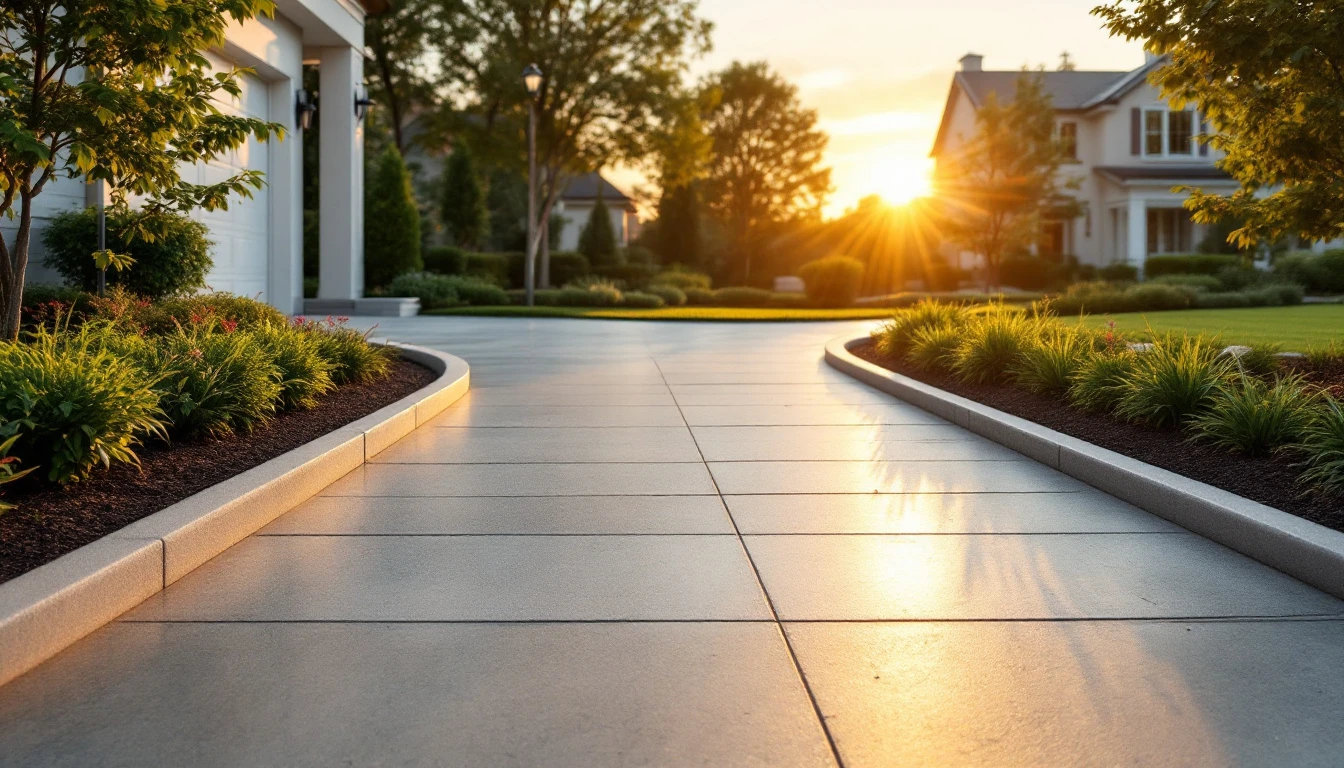
If you're planning a new driveway in Utah or reworking one you already have, there's more to it than picking concrete versus pavers. Permits, drainage rules, and access requirements can trip up even careful homeowners, and getting them wrong tends to cost more than just getting them right the first time. Here's a practical rundown of how the process works.
Why the Driveway Permit in Utah Actually Matters
A driveway isn't just a private feature of your property, it's a point where your land meets a public road. That connection affects traffic flow, storm drainage, and pedestrian safety, which is exactly why cities, counties, and the Utah Department of Transportation (UDOT) keep a close eye on driveway work. Getting the proper approval isn't just red tape. It's what ensures:
- Safe, sightline-friendly entry and exit onto the road
- Drainage that doesn't dump water onto your neighbor's yard or the street
- Compliance with local zoning
- No damage to curbs, sidewalks, or other public infrastructure
Some homeowners try to skip this step to save time. It rarely works out, inspectors do catch unpermitted work, and the fix is usually more expensive than the permit would have been.
When Do You Actually Need One?
Not every driveway project needs sign-off from the city. Small repairs or resurfacing an existing driveway in place usually don't. But once your project touches the public right-of-way, a permit is almost always required. That includes:
- Installing a brand-new connection to a public street
- Widening or moving an existing driveway
- Changing an access point along a highway or major arterial road
- Any work that extends into the sidewalk, curb, or road shoulder
Example
You live in Salt Lake County and want to widen your driveway to fit a second car. If that widening pushes into the curb or sidewalk, you'll need approval, even though the project might feel minor to you.
UDOT's Role: State Roads Are a Different Ballgame
If your property fronts a state highway, the city can't approve your driveway on its own, UDOT has to sign off. UDOT is mainly concerned with things a local planning office might not weigh as heavily:
- How visible your driveway is to oncoming traffic
- How close it sits to neighboring driveways or intersections
- Whether it affects the road's overall capacity
- Turning radius and how vehicles enter and exit safely
City and County Rules: Where Most Homeowners Actually Deal with Permits
For most residential driveways, it's your local city or county not UDOT handling the permit. Requirements vary a bit by jurisdiction, but the general shape is consistent:
- Minimum and maximum driveway width
- Slope and grading standards, largely to manage drainage
- Approved surface materials (concrete, asphalt, pavers)
- Setbacks from property lines
In a lot of Utah suburbs, for instance, driveways have to stay a set distance from the neighboring lot line specifically to prevent runoff from becoming a dispute between neighbors.
Don't Forget Your HOA, Either
If you're in an association, they may lay on their own rules approved materials, colors, finishes, even overall size, separate from what the city requires. Meeting city code doesn't automatically mean you're in the clear with your HOA, and violating either one can trigger enforcement.
Design Standards That Affect Approval
Permits aside, the design itself has to check certain boxes before it gets approved.
Visibility
Drivers need a clear sightline when pulling in or backing out. If a fence, hedge, or wall blocks the view, expect to be asked to adjust it.
Drainage
This one trips people up more than any other. Utah's weather swings hard between dry stretches and sudden heavy rain, and a poorly graded driveway can send water straight into the street.
Spacing
On busier roads, having too many driveways too close together creates conflict points for turning traffic, so spacing gets scrutinized.
Materials
Concrete, asphalt, and pavers are the standard approved options. Gravel is often restricted in more urban areas because of dust and runoff concerns.
Getting the Permit: The Actual Steps
- Figure out who has jurisdiction: Is your driveway connecting to a city street, a county road, or a state highway? That determines who you're applying with.
- Pull together your documents: Most applications want a site plan, your property boundaries, drainage information, and construction specs.
- Submit the application: Many jurisdictions now accept these online; others still want an in-person visit to the planning department.
- Wait for review: Staff check the plan against local and, if applicable, UDOT standards. Don't be surprised if they come back asking for revisions.
- Build it, then get it inspected: Once approved, construction can start, and a final inspection confirms everything was built to plan.
Mistakes That Cause the Most Headaches
A handful of avoidable errors account for most of the delays and rejections:
- Starting work before the permit comes through
- Skipping or underestimating drainage requirements
- Using a surface material that isn't on the approved list
- Not double-checking property line locations
- Assuming UDOT rules don't apply when they do
Staying Compliant After the Driveway Is Built
Approval isn't the finish line, it's the start of an ongoing responsibility. To stay in good standing:
- Keep drains and gutters clear of debris
- Patch cracks or surface damage before they spread
- Don't modify the driveway without checking if that requires a new permit
- Keep the entrance clear and unobstructed
Regular Upkeep Does Double Duty
it keeps you compliant and it stretches the life of the driveway itself.
Final Thoughts
Whether you're dealing with UDOT on a state highway or your city's planning office on a residential street, the process comes down to the same basics, like know who has jurisdiction, follow the design standards, and don't skip the paperwork. Handling it properly from the start saves you the fines, rework, and frustration that come from cutting corners.
This guide covers Utah-specific driveway permitting, but if you're researching driveway projects anywhere in the U.S., Drivewayz USA is a useful resource for permits, materials, and cost comparisons.
Frequently Asked Questions
No. Minor repairs to an existing driveway usually don't. New driveways or anything touching the public right-of-way typically do.
Access to state highways, spacing, visibility, and traffic safety standards for driveways connecting to state-managed roads.
You risk fines, and in some cases the city can require you to remove or rebuild the driveway to bring it into compliance.
It comes down to what road your driveway connects to. Local streets go through the city or county; state highways go through UDOT.
Concrete, asphalt, and pavers are standard. Gravel is often restricted in urban areas due to dust and drainage concerns.