
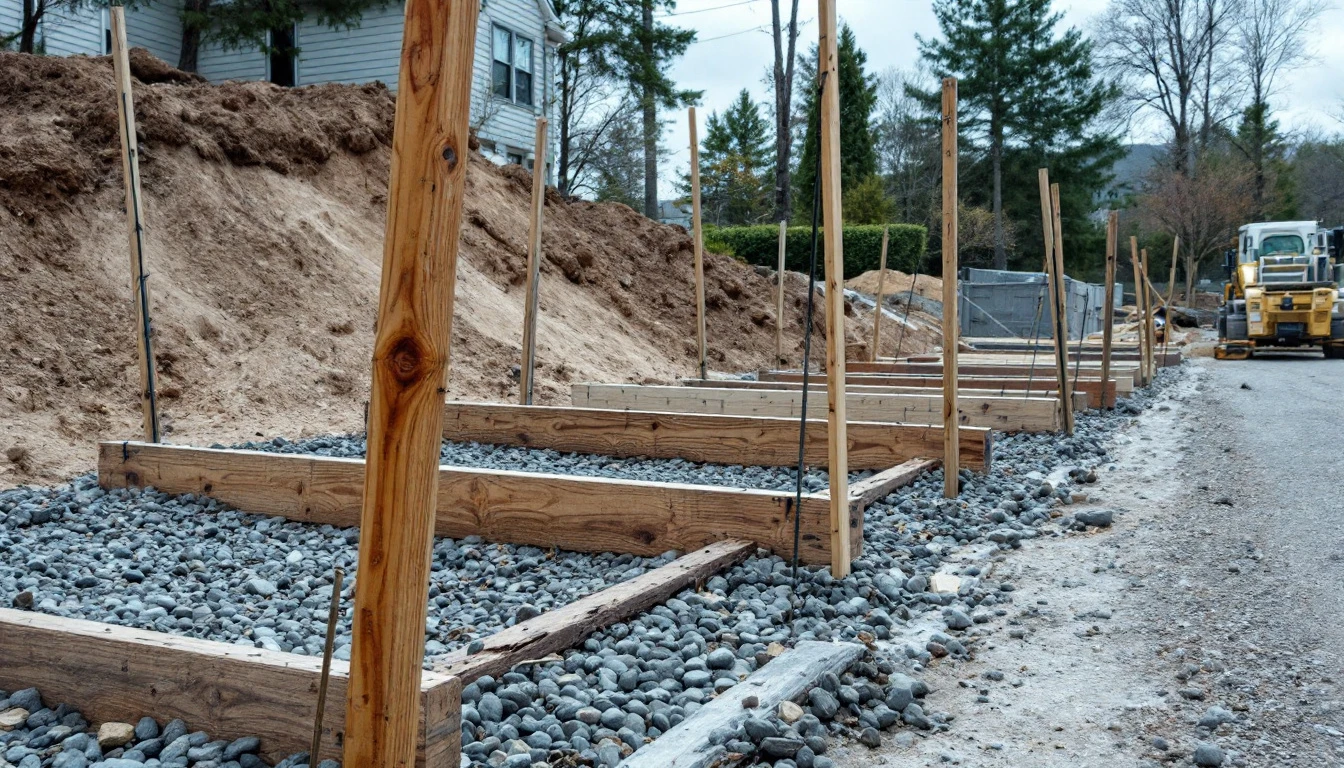
Almost no driveway project stays neatly inside your property line. Even if every inch of work happens on your own land, the trucks still need the street, the machinery still makes noise, and the neighbors next door may find their own driveway harder to get in and out of for a few days. That's why it's better to inform neighbors before the first shovel hits the ground, not after a dump truck is already idling in front of their house. Whether you're pouring a brand-new driveway, tearing out old asphalt, widening a concrete slab, or switching over to pavers, a quick heads-up to the people living around you goes a long way toward keeping the week drama-free. Giving neighbors advance notice is usually a courtesy, but whether permission or approval is needed depends on property boundaries, shared access, easements, HOA covenants, and local requirements. Check what applies before work starts. What you're really doing is giving them a fair warning that their normal routine might get a little bumpy for a while.
Why Talking to Them Is Important
A driveway tear-out and replacement isn't a quiet, invisible process. There's going to be a truck full of gravel, asphalt, or concrete showing up at some point. Workers will need room to move. Dust kicks up, engines run, and once the new surface goes in, the contractor may keep people and vehicles off it until it is ready. How long that takes depends on the material, the product, the weather, and the crew's instructions.
If the neighbors already know that's the plan, none of it comes as a shock. If they don't, the exact same morning can feel like an ambush. This matters even more on tight streets or in neighborhoods where the houses practically lean on each other.
Share that before any equipment shows up in the driveway. You don't need to hand over blueprints or a materials spec sheet. What people actually want to know is, what's happening, roughly when, and whether it's going to get in their way.
What's Worth Mentioning
Keep it short. Nobody wants a complete detail on aggregate base thickness. What's genuinely useful to pass along:
- The kind of work you're having done
- Roughly when it starts
- How long it'll likely take
- Whether trucks or heavy equipment are coming
- Whether street parking or access gets tighter for a while
- Whether the crew needs to step onto or near their property
- When the driveway will actually be usable again
Instead of saying "we're getting some driveway work done," give the actual sequence, such as "the old asphalt comes out Tuesday, and the new surface should be down by Thursday or Friday." Then pass along the contractor's instruction for when people and vehicles can use it. That wait depends on the material, the product, the weather, and the crew's directions. This actually tells your neighbor something they can plan around.
Sort Out Access Issues Before the Trucks Arrive
Access problems are probably the single biggest source of friction on projects like this. If you share a driveway, sit next to a narrow access lane, or your properties are close enough that parking is already a squeeze, have that conversation early. A paver or excavator needs a lot more swing room than a sedan does, and your neighbor has no way of knowing that until you tell them.
Don't assume they'll just figure out why there's a machine parked in a spot that blocks their usual path. If there's any chance the work will temporarily cut off someone else's driveway, sort that out before the contractor is already there. And if there's an actual easement or shared-access agreement involved, remember that a friendly chat doesn't override whatever that document says, the legal side still applies regardless of what gets discussed over the fence. The whole point is catching these earlier on paper, not on the day the equipment shows up.
Be Honest About the Noise and Mess
Driveway construction is actually loud. Digging, compacting, pouring, paving, trucks backing up with that beeping alarm. It depends on the scope of the job, the equipment involved, and what your local ordinances allow. Don't tell your neighbor it'll be quiet when you know it won't be.
Something like "we're expecting excavation during normal daytime hours, and there'll be trucks coming and going while the work's active" sets realistic expectations. That matters more than people realize if someone next door works from home, has a toddler napping on a schedule, or just doesn't like surprise noises. Obviously, stick to whatever noise ordinances, permitted work hours, or HOA rules apply in your area, communicating with neighbors doesn't replace following those.
If a Neighbor Pushes Back
Not everyone's going to be thrilled, even when you're doing everything right. Hear out the actual complaint before you respond to it. Maybe it's about blocked access, maybe it's the noise, maybe they're worried about their landscaping or drainage. If someone's worried trucks will block their driveway right when they need to leave for work, you might just be able to ask the contractor to shift delivery timing around that.
The goal is solving the actual problem in front of you, not letting a solvable issue turn into something bigger. If what they're raising is really about a property line, an easement, or a drainage dispute, don't try to settle it with a driveway conversation alone, pull the actual documents or get advice from someone qualified.
Don't Skip the Paperwork Side
Talking to your neighbors is only one piece of this. Depending on where you live, you might also be dealing with permits, curb-cut approval, drainage regulations, utility locates, or HOA sign-off and those requirements vary a lot from one town or association to the next.
Remember your neighbor can't approve something that legally requires a permit, and getting a permit doesn't automatically settle a private disagreement between neighbors. Those are two separate tracks. Check what actually applies to your property before the work starts, not after.
Quick Checklist Before You Start
- Dates and rough duration of the project
- When the contractor and material deliveries are arriving
- Any temporary access restrictions
- Expected noise and activity level
- Street parking and where equipment will sit
- Property lines and any shared access points
- Existing fences, plants, and drainage you want protected
- HOA rules that apply to the property
- Local permits
- A plan for weather or scheduling changes
That's really it. The right information at the right time covers most of it.
Final Thoughts
A driveway project comes down to more than picking asphalt, concrete, gravel, or pavers. Thinking through how the work affects the people around you and actually telling them about it makes the whole process smoother for everyone involved, not just you.
This kind of communication matters most when heavy equipment, blocked access, deliveries, or work near a shared property line are part of the picture. A short conversation up front tends to head off the kind of disputes that are a lot harder to untangle once construction's already underway.
Explore more Drivewayz USA guides on telling neighbors about driveway work, access, and permits.
Frequently Asked Questions
Yes, giving them reasonable notice is just good practice when the work involves noise, equipment, trucks, or anything that might temporarily affect their access. How much notice you give really depends on how big the job is.
Not usually, their approval and legal approval are two different things. That said, property lines, shared driveways, easements, HOA rules, and local codes can all affect what you're actually allowed to do, so check those before you start.
Cover the basics: what's being done, roughly when, how long it'll take, what kind of traffic and noise to expect, and any temporary parking or access issues. If the timeline shifts significantly, let them know.
Talk it through with your contractor before work starts. Let them know about nearby driveways so deliveries and equipment can be timed around them. If access genuinely can't be maintained for a stretch, give advance notice and address any legal considerations that apply.
It helps a lot with misunderstandings and gives people a chance to raise concerns before the work begins. It won't resolve an actual legal or property dispute on its own, but it heads off plenty of the avoidable friction.