
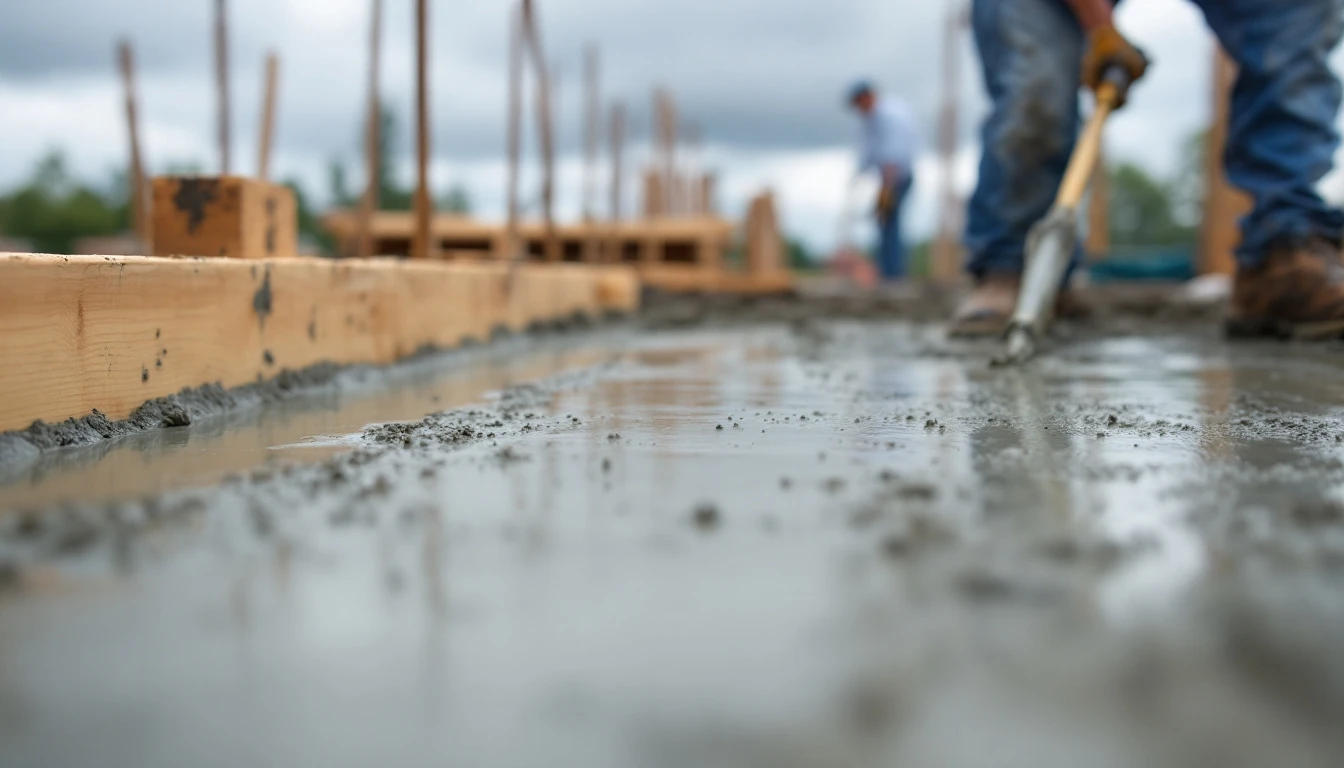
When you're hiring someone to tear out, repair, or repave your driveway, insurance is probably the last thing on your mind. You're thinking about materials, drainage, how long the job will take, and what it'll look like when it's done. But insurance deserves a spot on that list too. Driveway work isn't as simple as it looks from the curb. There's heavy equipment involved, trucks coming and going, excavation, wet concrete or hot asphalt, and often a crew of employees and subcontractors moving around your property. It doesn't take much for something to go wrong, a cracked garage wall, a torn-up sprinkler line, a dented car in the driveway next door, or a neighbor's kid tripping over an open trench. That's where general liability insurance comes in. Commercial general liability (CGL) coverage protects a contractor when their business is legally on the hook for bodily injury or property damage caused by the work. It can also help cover legal defense costs, though exactly what's included always comes down to the specific policy and its limits. For homeowners, understanding this isn't just insurance trivia, it's one of the clearest ways to tell a legitimate contractor from someone who's cutting corners.
What Is "Driveway General Liability Insurance," Really?
There's no special policy out there called "driveway insurance." The phrase just refers to the standard commercial general liability coverage that a paving, concrete, or excavation contractor carries as part of doing business.
A CGL policy responds to covered claims like bodily injury or property damage tied to the contractor's operations and may pick up certain legal costs depending on how the claim shakes out. None of this means accidents can't happen. What insurance does is give everyone, right from the contractor and the homeowner a financial backstop when something goes sideways.
Why This Coverage Matters More Than People Assume
A driveway project might look like a one-day job from the street, but there's a lot happening underneath that assumption. A contractor working on your driveway may need to:
- Tear out and haul away the old surface
- Excavate and regrade the site
- Run trucks and heavy machinery in tight spaces
- Work close to your house, fence, and landscaping
- Coordinate concrete pours or asphalt deliveries on a schedule
- Manage a crew, and possibly subcontractors too
- Handle drainage and water runoff
- Operate near sidewalks, curbs, and the street itself
This is really what general liability insurance is for. It keeps one bad afternoon from turning into a financial disaster for either side.
Property Damage: The Risk Everyone Underestimates
Ask any experienced contractor and they'll tell you that property damage is the risk that comes up most often on driveway jobs.
Equipment can clip structures. Excavation can hit a utility line nobody knew was there. A concrete truck backing up wrong can crack existing pavement. Asphalt crews can leave material somewhere it shouldn't be. And runoff that isn't managed properly can end up flooding the yard next door.
This is exactly why it's worth knowing what your contractor's policy actually covers and just as important, what it excludes. Don't assume every kind of damage is automatically included. The fine print, the specific cause of loss, any endorsements, and the coverage limits all shape what gets paid and what doesn't.
Bodily Injury Is a Real Possibility Too
A driveway job site is, for all intents and purposes, an active construction zone, even if it's in your front yard.
Loose gravel, open excavation, uneven ground, stacked materials, tools left out, all of it adds up to real tripping and injury hazards for anyone who wanders through, whether that's a mail carrier, a curious neighbor, or your own kid. If someone gets hurt and the contractor is found liable, general liability coverage is what's designed to step in. That's also why responsible contractors put up barriers, post warning signs, and control who has access to the site while work is underway.
It's worth noting general liability isn't the same as workers' comp. Workers' compensation covers injured employees; general liability covers injuries to third parties like you, your neighbor, a delivery driver. What's legally required depends heavily on the state and how the contractor's business is structured.
How to Verify a Contractor's Insurance
Don't just take someone's word for it when they say they're "fully insured." Ask to see it. Request a current Certificate of Insurance (COI), most contractors use the standard ACORD 25 form. Just keep in mind the certificate is only proof that a policy exists; it doesn't replace the actual policy or its endorsements, and it can't tell you everything about what's covered. Before you sign anything, check a few things:
Policy Dates
Confirm the policy is active for the dates your project will actually happen. A certificate from last year doesn't help you if coverage lapsed since then.
Type of Coverage
Make sure it's commercial general liability suited to driveway or paving work specifically, not some unrelated business policy that happens to have the contractor's name on it.
Coverage Limits
There's no single number that applies everywhere. Some cities, HOAs, or lenders ask for specific minimums, and $1 million per occurrence is a commonly requested figure in commercial contracts, but don't assume that's universal. Check what your project actually requires.
The Insurance Company and Agent
If anything feels off, call the agency listed on the certificate directly and confirm the policy is active and that it actually covers the type of work being done. This step matters more the bigger the project is.
Red Flags Worth Paying Attention To
Insurance is just one piece of vetting a contractor, but certain behaviors should make you pause:
- They won't provide proof of insurance
- They say they'll "send it over" once work has already started
- They can't tell you who their insurance company or agent is
- The quote is unusually low with no explanation of what's excluded
- They want a big deposit before you've even signed a contract
- They're vague about who's actually doing the work
- They use subcontractors but can't explain how those subs are insured
A low bid isn't automatically a red flag on its own. But a contractor who's skipping insurance to keep costs down is really just shifting that risk onto you.
What Does This Insurance Cost?
There's no honest, single number here. Premiums swing based on a long list of factors:
- The type of driveway work the business specializes in
- Annual revenue
- Payroll and headcount
- Claims history
- Location
- Coverage limits chosen
- Deductible
- Equipment and day-to-day operations
- Whether subcontractors are used
- Any policy endorsements
Anyone quoting you a flat annual premium without knowing these details is guessing. Insurance is just one of many overhead costs baked into a legitimate contractor's pricing. A business that carries proper coverage, maintains its equipment, and pays its crew correctly is going to have higher costs than someone cutting corners and that shows up in the bid. So instead of chasing the cheapest number, weigh the scope of work, insurance, licensing, materials, warranty terms, and payment schedule.
Beyond General Liability: Other Coverage Worth Knowing About
General liability is the big one, but it's rarely the only policy a legitimate driveway contractor carries.
Workers' Compensation
It generally covers employee injuries on the job, with specifics varying by state and often by how many employees a business has.
Commercial Auto Insurance
This matters if the contractor is running dump trucks, trailers, or work trucks. A personal auto policy typically won't cover a vehicle being used for business purposes, that's a common gap people don't think about.
Equipment Coverage
This protects against theft or damage to the compactors, skid-steers, saws, and loaders that make up a contractor's toolkit, often expensive gear that's easy to lose in a claim if it's not separately insured.
Umbrella or Excess Liability
It adds another layer of protection on top of the base policy, and it's common among contractors who take on larger or riskier jobs.
Which combination makes sense really depends on the contractor's business, and it's worth them reviewing it with an insurance professional rather than guessing.
Permits, HOA Rules, and Insurance
Permits and insurance are technically separate issues, but on a driveway project they tend to show up together. Some cities require proof of liability insurance before a permit gets issued. HOAs frequently have their own rules for contractors working inside the community too. None of this is guaranteed across every location, though. So before the crew shows up, confirm:
- Whether a permit is required for this project
- Who's responsible for pulling it, either you or the contractor
- Whether the municipality wants proof of insurance on file
- Whether your HOA has its own contractor insurance rules
- Whether the contract requires "additional insured" status
Don't assume a certificate alone checks every box your contract or HOA might require.
9 Questions Worth Asking Before You Sign
- Can you send me a current Certificate of Insurance?
- What kind of general liability coverage do you carry?
- What are your per-occurrence and aggregate limits?
- Does this policy actually cover the driveway work in my contract?
- Do you carry workers' comp where it's required?
- If you use subcontractors, are they separately insured?
- Who's pulling the permit for this job?
- What happens if my neighbor's property gets damaged?
- What's the workmanship warranty on this job?
These nine questions will tell you more about a contractor than any glossy website ever will.
Quick Checklist Before the First Truck Shows Up
- Signed, written contract
- Current proof of insurance
- Permits or approvals, if needed
- Contractor license info, where applicable
- Clear scope of work and payment terms
- Photos of the property before work starts
- Written warranty details
- Contact info for both the contractor and their insurance agency
Hang onto all of this even after the project wraps. It's exactly what you'd need if a dispute, damage claim, or warranty issue pops up down the road.
Final Thoughts
Insurance isn't paperwork to skim past at the last minute. It's one of the clearest signals of whether a contractor runs a legitimate, prepared business.
At Drivewayz USA, we're here to help homeowners make smarter calls on driveway installation, repair, materials, and contractor selection. Whatever stage you're at, comparing quotes, researching materials, or getting ready to sign a contract, take the time to ask the right questions before the work begins. For more homeowner and contractor guidance, contact Drivewayz USA.
Frequently Asked Questions
Not always. It varies by state, city, and contract. Even where the law doesn't mandate it, plenty of clients and municipalities will require it anyway. Best to verify what applies to your specific situation rather than assume.
There's no universal answer. $1 million per occurrence comes up often in commercial contracts, but the right number depends on the scope of the job, location, and what your contract requires.
Generally, no. This type of coverage is built around bodily injury and property damage claims, not poor craftsmanship or disputes over quality. A contractor's warranty is usually the more relevant protection there.
No, it's evidence that a policy exists, not a substitute for it. Actual coverage depends on the policy terms, endorsements, exclusions, and the specifics of what happened.
Because a driveway project touches more than just the driveway. Trucks, excavation, equipment, and a crew moving around your property all carry real risk to your home and your neighbors' property. A properly insured contractor is one more sign you're dealing with a business that takes the work seriously.