
Picking a driveway contractor in Kansas City, KS, isn't just about who gives you the smallest number on a piece of paper. A good driveway comes down to things you can't always see once the job's done. It includes how well the base was prepped, whether the materials actually fit your property, how water gets routed away, and whether the crew grades things correctly for what our winters and storms throw at them. Get those details wrong and you're looking at cracks, sinking spots, and puddles a year or two down the road, not a driveway that just quietly does its job for decades. Whether you're putting in something brand new, tearing out an old surface, or just patching up damage, it helps to know what actually separates a solid contractor from one who's going to leave you with problems.
Why It's Important to Hire Rightly
No two lots in Kansas City, KS are quite the same. Soil type, how much the property slopes, where water naturally wants to go, what's already there, all of it changes what a driveway needs. Add in our freeze-thaw winters and the occasional downpour, and you've got a recipe that exposes shortcuts pretty quickly.
Here's the thing about a fresh driveway, it can look flawless the day it's poured or laid, and that tells you almost nothing about how it'll hold up. Pour asphalt over a base that hasn't been properly compacted, and eventually you'll see dips and cracking even though everything looked perfect at first. Skip proper drainage planning, and water starts pooling along the edges or worse, underneath the pavement where you can't even see it happening. Therefore, really, a contractor worth hiring is thinking about everything under the surface, not just what it looks like when they hand you the keys.
Figure Out What Your Project Involves
Before you even start calling around, get clear on what kind of work you're really asking for.
Starting from Scratch
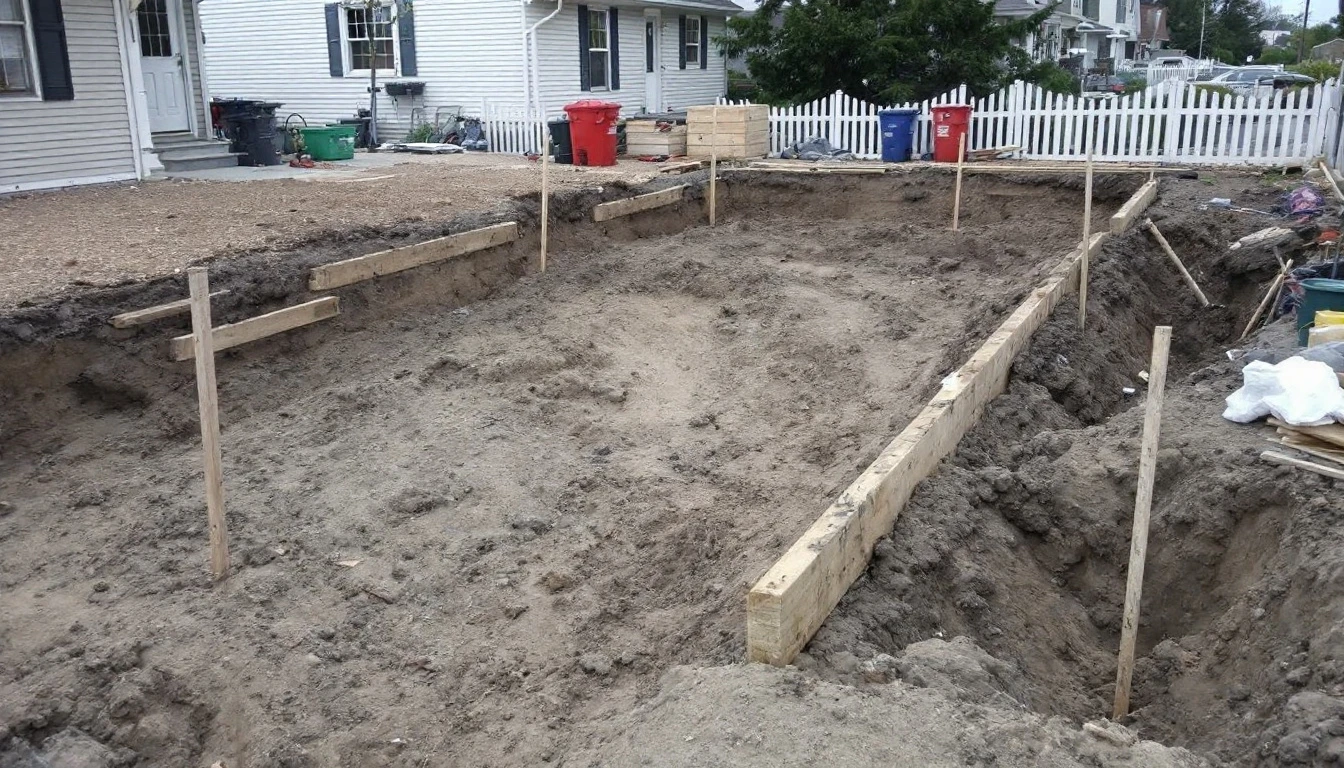
A brand-new driveway usually means digging, grading, laying down a proper base, sorting out drainage, and then finally putting down whatever surface you've chosen. Trees, existing landscaping, utility lines, and the natural slope of your yard can all complicate things.
Full Replacement
If your current driveway is cracked badly, sinking in places, dealing with chronic drainage issues, or the foundation underneath is shot, patching it up probably isn't going to cut it , replacement is the more realistic route.
Push your contractor to be honest about whether the existing base could actually hold up a new surface. Just laying something fresh over a failing foundation doesn't fix anything; it just hides the problem for a while.
Resurfacing or Spot Repairs
If the base and structure underneath are still solid, resurfacing can make sense. But if there's real structural damage, shifting, or water that just won't stay away, you're probably looking at something more involved than a simple resurface. Any contractor should actually look at your existing surface before telling you which route to take, not just quote you over the phone.
Picking the Right Material for Your Property
What works best really comes down to your budget, how much traffic the driveway sees, how much upkeep you're willing to do, and what your site conditions look like.
Asphalt
Asphalt tends to be a popular pick because of its flexible nature. It lays down smooth and handles temperature swings reasonably well and is useful in a place where seasons actually change. But it's not maintenance-free. How long it lasts really comes down to drainage, a solid base, correct thickness, and keeping up with maintenance instead of letting small issues sit.
Concrete
Concrete gives you a clean, durable surface, and there's more flexibility in finish than people often realize. It's a common choice for homeowners who'd rather deal with less regular upkeep over the years.
But the mix design, reinforcement, thickness, where the joints go, how it's cured, and the prep work underneath all of that matters more than people think. Don't just accept a generic thickness number, ask your contractor what they'd specify for your particular property and why.
Pavers
Interlocking pavers give you a lot of room to play with visually, and they've got a practical edge too, if one section gets damaged, you can often just swap out individual pieces instead of redoing the whole thing.
They do demand careful prep, though. A well-compacted base, the right bedding material, solid edge restraints, and proper joint fill. A paver driveway really only performs as well as what's underneath it.
Finding a Trustable Contractor
Start local, look for contractors who regularly work around Kansas City, KS and the rest of Wyandotte County. Reviews help, but don't just glance at the star rating and call it done. Dig into recent project photos, read through the actual feedback people left, and look for evidence they've handled jobs similar to yours before.
Talking to neighbors who've had work done recently can tell you more than any online review. A driveway that's already survived a few Kansas winters will show you things a fresh photo never could.
As you compare companies, check their business details, confirm they're insured, ask for references, and verify whatever licensing or registration is required for this type of work in your area.
If your project touches public right-of-way, keep in mind the Unified Government has its own rules here. Current guidance requires construction permits before certain private work can happen within that public space.
Questions Worth Asking Before You Sign Anything
A quick conversation can tell you a lot more than a glossy brochure ever will. Try asking things like:
- How many jobs like mine have you handled around here?
- What kind of shape is my existing base actually in?
- How are you planning to handle grading and drainage?
- What material and thickness would you recommend and why that specifically?
- What prep work happens before installation starts?
- Who's responsible for pulling permits?
- What exactly is covered in the written estimate?
- What does your workmanship warranty actually include?
- Can I talk to some past customers?
Pay attention not just to what they say, but how they say it. A contractor who can walk you through the actual process, instead of just throwing a number at you. It is usually the one who knows what they're doing.
Don't Just Compare Prices but Compare Scope
The lowest bid isn't automatically the smartest choice. Two companies can quote wildly different numbers simply because they're planning completely different amounts of excavation, base work, material, drainage, or surface thickness. You're not always comparing apples to apples.
Make sure your written estimate spells out things like:
- Removing and hauling away the old surface, if that applies
- Excavation and grading
- Base material and how it's prepped
- The actual driveway surface material
- Reinforcement or joints, where relevant
- Any drainage or grading work
- Cleanup once the job's done
- Permits or related paperwork
- Warranty details
If one contractor's quote includes tearing out and rebuilding the base while another's is just laying new material over what's already there, those aren't remotely the same project, even if the price difference looks small on paper.
Permits and Right-of-Way: Don't Skip This Part
What permits you need really depends on where the work is happening and how big the project is. If it touches sidewalks, streets, or any part of the public right-of-way, you'll likely need approval first.
The Unified Government's right-of-way manual currently requires construction permits for certain work done within that public space, and depending on your project, there may be additional requirements layered on top.
Ask your contractor directly what permits apply to your job. Don't assume your driveway falls under the same rules as your neighbor's. And if the work connects to a public street or changes an existing sidewalk or apron, nail down ahead of time who's actually handling the paperwork.
Plan for Water Before the Driveway Goes In
Drainage shouldn't be something you think about after the fact. It needs to be part of the plan from day one. The whole point is grading the driveway so water moves away cleanly, without creating headaches for your garage, your house, your neighbor's yard, or the street.
Example
Someone replaces a cracked driveway but never touches the original drainage layout. The new surface looks flawless, but after a heavy rain, water's still pooling right next to the garage same as before. The crack got fixed. The actual problem never did.
Ask directly how your contractor plans to move water away from the finished surface.
Keeping Your Driveway in Good Shape Afterward
What kind of upkeep you'll need depends heavily on the material. Asphalt generally needs regular checks and some upkeep as it ages. Concrete holds up better with routine cleaning and protecting it from whatever tends to wear it down over time. Pavers might need the joints refreshed occasionally, or the odd piece swapped out.
Stick to whatever curing timeline your contractor gives you before driving on it. Don't assume every surface is ready for traffic right away, because that's a common way to undo good work. And keep an eye out down the road for cracks, pooling water, sinking spots, or damaged edges. Catching small problems early is usually a lot cheaper than waiting until they turn into something bigger.
Red Flags Worth Watching For
Be wary if a contractor:
- Pushes you to decide on the spot
- Won't give you a real, detailed written estimate
- Can't clearly explain how they'll prep the base
- Dodges questions about insurance or warranties
- Asks for unusual payment terms with nothing in writing to back it up
- Quotes something way below everyone else without a good explanation
- Wants to start before permits or site conditions have even been discussed
Someone who's genuinely good at this work should be happy to talk through the project with you before asking for a signature.
Final Thoughts
A driveway project that actually goes well starts well before the first truckload of material shows up. Take the time to assess your current driveway, understand what material actually fits your situation, compare estimates line by line, ask real questions about drainage and base prep, and confirm what local permits apply to your project.
If you're weighing a new installation, a full replacement, a repair, or just want more guidance, Drivewayz USA has resources and services that can help you figure out your next move.
Frequently Asked Questions
Look for someone with real local experience, proper insurance, solid references, and a written estimate that actually breaks down site prep, drainage, and installation in detail. Don't hire based on price alone.
It depends on what shape the surface and base are really in. Minor damage might just need repair, but serious cracking, settlement, or a failed base usually points toward replacement. Get a contractor to inspect it first before deciding.
Asphalt, concrete, and pavers can all work well. It really comes down to your site conditions, budget, how it looks to you, expected traffic, and how much maintenance you're willing to keep up with.
It depends on the scope and whether the work touches public space or the right-of-way. Certain work within the right-of-way requires Unified Government approval, so it's worth confirming before you start.
Look for a breakdown covering removal (if needed), excavation, grading, base prep, surface material, drainage work, cleanup, permits, and warranty terms. That level of detail is what lets you tell whether two bids are really quoting the same job.