
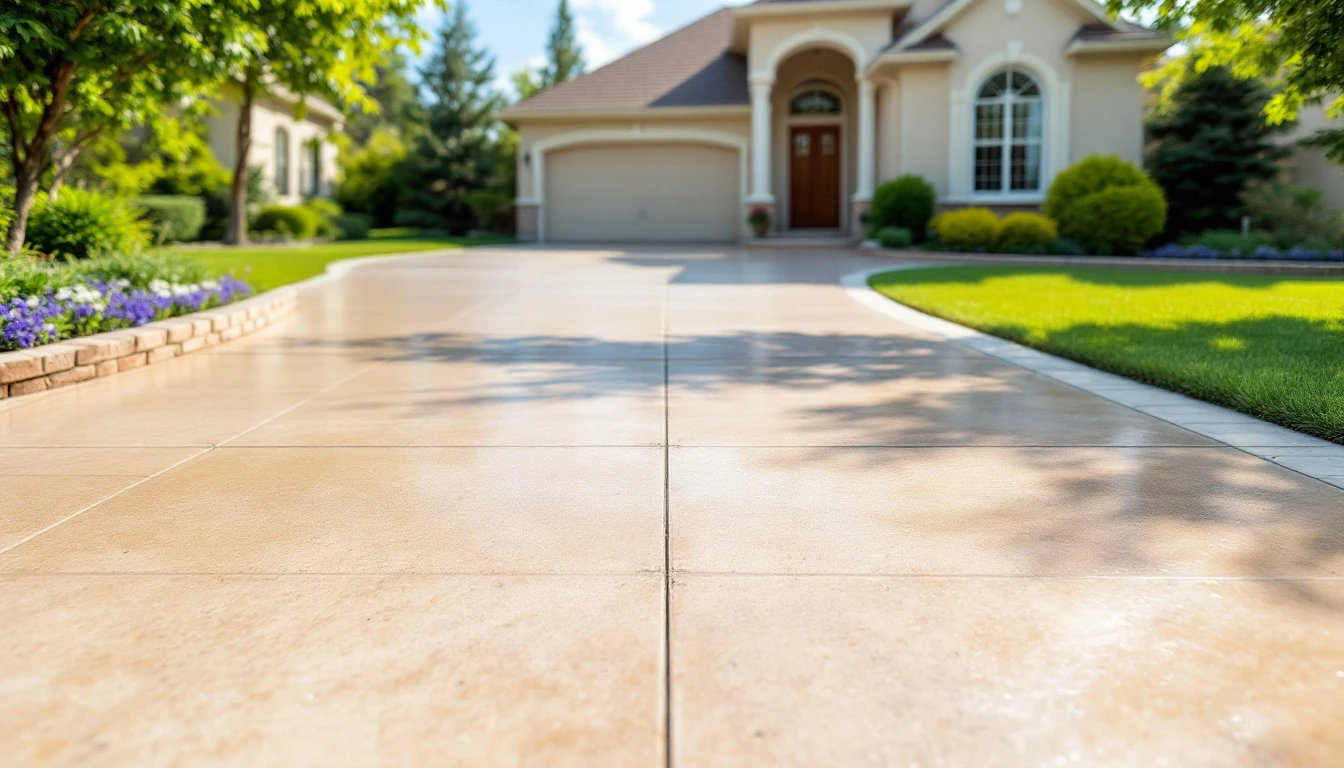
Here's something most homeowners don't think about until it's too late: the driveway you're looking at is only half the story. What's underneath? the base, the drainage slope, the reinforcement, the utility lines running below it determines whether that surface lasts fifteen years or five. That's why as-built documentation has quietly become one of the smartest things a homeowner can insist on. It's not glamorous. It won't show up in a "before and after" photo. But it's the difference between knowing exactly what you own and just hoping everything was done right.
What Actually Is As-Built Documentation?
Plans change during construction, almost always, actually. Maybe the crew hit rockier soil than expected and had to go deeper. Maybe you asked for the driveway to be widened a foot once you saw the layout staked out. As-built documentation is the record of what actually happened, not what was originally sketched on paper. A solid record typically covers:
- The final measurements and layout
- Which materials went in, and where
- How the base was prepped and compacted
- The drainage slope and grading
- Where expansion joints and reinforcement were placed
- Any utility lines running beneath the surface
Example
A family decides mid-project to extend their driveway by a few feet to fit a second car. If nobody writes that down, it just disappears from the record. Fast forward five years, and they're trying to install a drainage line or plant a row of hedges along the edge and suddenly nobody knows exactly where the driveway's true boundary or base sits. That's an avoidable headache.
Why an App Beats a Folder of Notes
Documentation used to mean a stack of photos on someone's phone, a few scribbled measurements, and a vague memory of "yeah, I think we used extra gravel there." An as-built documentation app replaces all of that guesswork with something structured. A good app lets a crew:
- Log updates as the work happens, not after the fact
- Attach timestamped photos to specific stages
- Record precise measurements and material specs
- Generate a clean, organized report at the end
- Share that report instantly with the homeowner
Construction rarely goes exactly to plan. If the soil turns out softer than expected and the crew decides to lay down a thicker gravel base to compensate. With an app, that adjustment gets logged on the spot instead of becoming a detail someone half-remembers a year later. For the homeowner, that's real peace of mind, you know precisely what's under your feet, not just what you were told.
What to Actually Look for in a Documentation App
Not every app is built the same, and some are more marketing than substance. Here's what genuinely matters:
Real-Time Logging
If the app only lets someone enter data after the project wraps, you lose the accuracy that makes documentation worth having in the first place.
Photos and Video, Not Just Text
A picture of the compacted base or the rebar placement tells you more than any written note ever could.
Built-in Measurement Tools
Slope and dimension accuracy directly affects how well water drains, this isn't a detail to skip.
Cloud Access
Your documentation shouldn't live on one person's phone. It should be something you can pull up years later from any device.
Clean Report Output
A dumped folder of photos isn't a report. You want something organized enough to hand to an inspector, a buyer, or a repair crew without having to explain it.
What Homeowners Actually Gain from This
- Smarter maintenance: Knowing your materials means you know your upkeep. An asphalt driveway and a concrete one age completely differently, and your maintenance routine should reflect that.
- Simpler repairs: No digging around blind. You already know what's below the surface.
- A stronger resale position: Buyers notice when a seller can produce real documentation of how a driveway was built. It signals quality and builds trust fast.
- Real contractor accountability: A documented record means the work that was promised is the work that got done, there's no ambiguity to argue about later.
- Fewer permit headaches: Some municipalities want proof of construction details for permits or inspections. Having it ready avoids delays.
What Might Go Wrong Without It
The homeowners who skip documentation usually don't realize it's a problem, until it is. The most common gaps:
- Nobody remembers what base material was actually used
- No record of the drainage slope
- Missing info on reinforcement or thickness
- No idea where utility lines run underneath
That last one is the most scary. Drilling or digging into a driveway without knowing what's buried beneath it can mean cutting a line you didn't know was there an expensive mistake that documentation would have prevented entirely.
How Crews Use These Apps on the Job
For contractors who've adopted this workflow, the app becomes part of the daily routine on site. It's used to log:
- Excavation depth
- Base layer installation
- The compaction process
- Weather conditions that might've affected the work
- Final surface finishing
Piece by piece, that builds a full digital timeline of the project and it cuts down on the "he said, she said" disputes that used to crop up between contractors and homeowners when nothing was written down.
Before You Break Ground, Ask These Questions
If you're about to start a driveway project, bring this up with your contractor before day one, not after.
- Will you give me a full as-built report when this is done?
- What app or system do you use to track this?
- Can I access the documentation myself, anytime?
Getting clear answers up front means you end up with a driveway that's not just built well, but backed by a record that proves it.
Final Thoughts
A driveway is a major investment, and how well it's documented affects how well it holds up and how much peace of mind you get along the way. As-built documentation apps take the guesswork out of the process for everyone involved.
At Drivewayz USA, that's the whole philosophy. We help homeowners make informed choices at every stage, from picking materials to locking in the final documentation, so the driveway performs the way it should for years to come.
Frequently Asked Questions
It's a detailed, accurate record of how your driveway was actually built, materials, dimensions, and any changes made along the way.
An app just makes it far more reliable. Notes get lost or forgotten; a digital record doesn't.
It gives whoever's doing the repair a starting point instead of a guessing game, which usually means faster, cheaper fixes.
Yes, buyers respond well to transparency, and documented construction quality is a real selling point.
Measurements, materials, drainage details, reinforcement info, and photos or video from each stage of the build.