
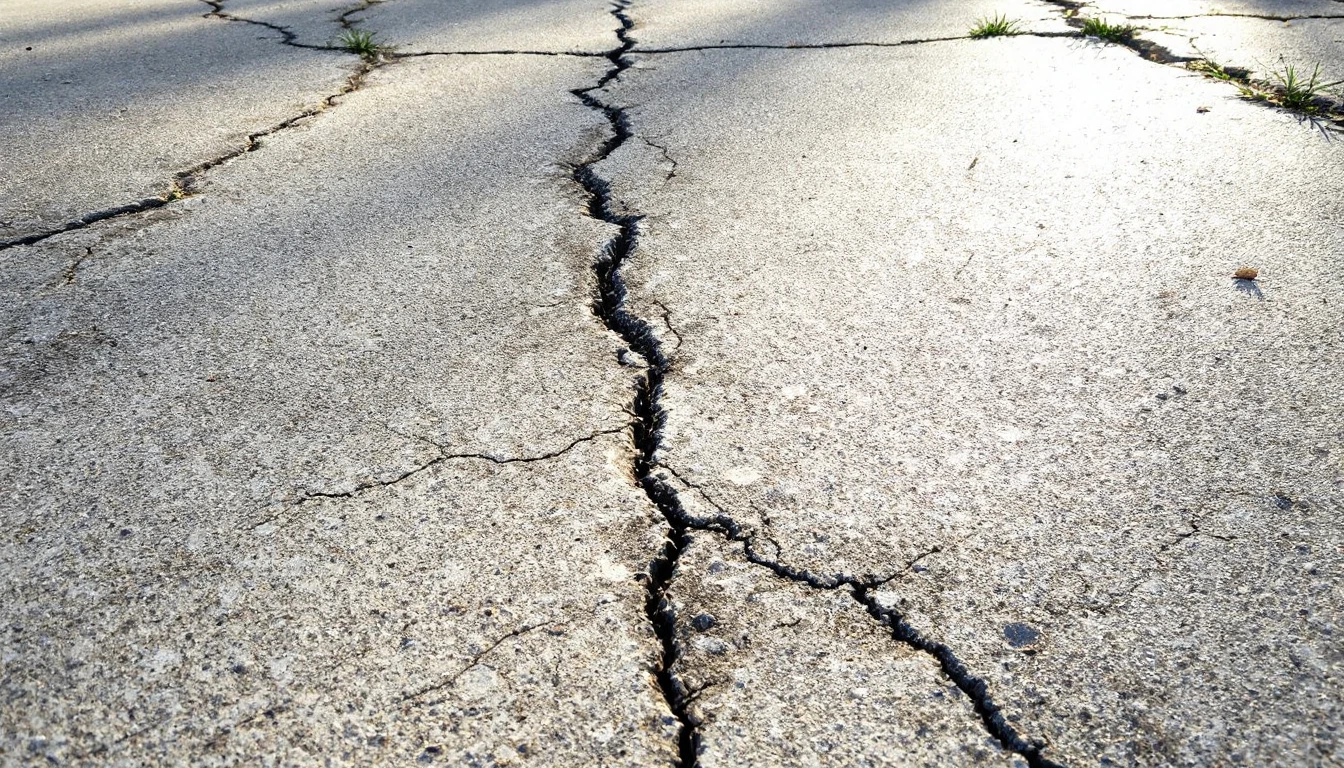
Most people shop for a driveway the same way they shop for almost anything else. They ask for a quote, compare a couple of numbers, and pick whichever one feels reasonable. The problem is that a driveway isn't a one-time purchase. It's a slab of material that's going to sit there taking abuse from tires, ice, rain, tree roots, and sun for decades. So the smarter question isn't "what does this cost to install?" It's "what is this going to cost me to own for the next 30 years?" That's really the whole idea behind a 30-year total cost comparison. Instead of looking only at the installation bill, you factor in everything that comes after. Like the sealing, the patch jobs, the resurfacing, the eventual rehab or replacement. The Federal Highway Administration actually uses this same logic when it evaluates pavement options for roads. Homeowners could use this approach for their own driveways. Where you land on asphalt, concrete, pavers, or gravel really comes down to your climate, your soil, how much traffic the driveway sees, how well it drains, and how much maintenance you're realistically willing to do.
Why the Sticker Price Can Be Misleading
A cheap installation isn't the same thing as a cheap driveway.
Gravel is a good example. It's about as inexpensive as driveways get on day one, but keeping it in decent shape means regrading it, topping it off with fresh stone, fighting weeds, and fixing washouts year after year.
Asphalt tends to undercut concrete and pavers on the initial quote, but it isn't a "install it and forget it" surface either; expect maintenance along the way and possibly a resurfacing job somewhere in that 30-year window.
Concrete flips the script. You pay more going in, but it tends to hold up longer, which can mean fewer big rehab projects down the line. The American Cement Association points out that concrete pavements typically run somewhere in the 30-to-50-year range for service life. Though that's heavily dependent on how well the thing was designed, built, and sited in the first place.
So, compare what you'll spend over the driveway's whole life, not just what the first contractor writes on the estimate.
The Four Main Options, Side by Side
Asphalt Driveway
Asphalt is popular for a reason. It's relatively cheap to put down and gives you a smooth surface to drive on. Stay on top of small cracks and surface wear before they snowball, and a well-built asphalt driveway can serve you for a long time. The Asphalt Institute actually advises not rushing to seal a brand-new driveway, and says sealing tends to make the most sense once the surface starts drying out, getting brittle, or showing small cracks and voids.
One underrated perk is, in places with real freeze-thaw cycles, asphalt has some give to it, so it flexes instead of cracking the way a rigid slab might.
Concrete Driveway
Concrete asks for a bigger check upfront than asphalt, but in exchange you typically get a long service life and less day-to-day upkeep. It's also more flexible design-wise than people expect. Stick with a basic broom finish if you want to keep costs down, or go stamped, stained, or exposed-aggregate if you want something with more personality. None of that matters much, though, if the groundwork is skipped. Subgrade and subbase prep make or break a concrete driveway. Soil conditions, drainage, how the joints are laid out, slab thickness, reinforcement, and the quality of the pour all factor into how long it actually lasts.
Pavers Driveway
Interlocking pavers, either concrete or natural stone, cost more to install than almost anything else on this list, but they have one real advantage. When something goes wrong, you don't have to tear out the whole driveway. You pull the damaged pavers and drop in new ones.
They also give you the most creative freedom like colors, patterns, shapes, layouts, which is why homeowners who care about curb appeal tend to gravitate toward them.
Whether pavers pay off long-term depends a lot on how well the base was prepared, keeping the joint sand topped up, occasional cleaning, and how many individual units eventually need swapping out.
Gravel Driveway
Gravel wins on install price, hands down, and it's a solid choice for long rural driveways, big properties, or anywhere drainage is a bigger concern than looks. The catch is upkeep. Gravel shifts around, ruts form, heavy rain can wash it out, and you'll be regrading and adding stone on a fairly regular basis. For a short suburban driveway, that ongoing maintenance can quietly eat away at the savings you got on day one.
Running the Numbers: A 30-Year Comparison
Here's a Practical Scenario
a 600-square-foot, two-car driveway somewhere in the Midwest in freeze-thaw winters, moderate snow.
Keep in mind these are illustrative figures based on a set of modeling assumptions, not live contractor quotes. Your actual numbers will shift depending on local labor rates, material costs, driveway size, site prep, and regional conditions.
Asphalt
Roughly $6,850 Over 30 Years
- Initial installation: ~$2,700
- Sealcoating over 30 years: ~$1,890
- Crack filling and patching: ~$450
- Mid-life resurfacing: ~$1,260
- Later spot repairs: ~$350
- Miscellaneous: ~$200
- Estimated 30-year total: ~$6,850
The Asphalt Institute lists crack sealing, patching, and surface treatments as core parts of keeping asphalt pavement healthy over time.
Concrete
Roughly $8,570 Over 30 Years
- Initial plain concrete installation: ~$4,350
- Joint maintenance: ~$432
- Optional cleaning/resealing: ~$2,160
- Slab leveling allowance: ~$650
- Partial section replacement allowance: ~$980
- Estimated 30-year total: ~$8,570
Not every concrete driveway will hit every line item here. Soil, drainage, climate, and how well it was maintained all shift the actual outcome.
Pavers
Roughly $10,950 Over 30 Years
- Initial installation: ~$6,900
- Polymeric sand maintenance: ~$720
- Spot paver replacement: ~$1,350
- Optional cleaning/sealing: ~$1,980
- Estimated 30-year total: ~$10,950
Yes, pavers cost more to put in. But being able to fix a small section instead of the whole driveway can offset that over time.
Gravel
Roughly $23,740 Over 30 Years
- Initial installation: ~$840
- Annual top-dressing: ~$9,900
- Regrading after washouts: ~$9,000
- Edge containment repairs: ~$1,600
- Weed control: ~$2,400
- Estimated 30-year total: ~$23,740
Remember the driveway that's cheapest to install isn't automatically the cheapest one to live with.
What Can Throw These Numbers Off
National averages only get you so far. Your specific property can change this math quite a bit.
Soil and Drainage
Expansive clay shifts as moisture levels change, and poor drainage weakens whatever base sits under your driveway. Where possible, route water away from the pavement gutters, downspouts, proper grading, and swales all help.
Shape and Size
A straightforward rectangle is a lot easier (and cheaper) to build than a curved, circular, or steeply sloped driveway. Complex layouts often mean more excavation, more cutting, more base work, and more drainage considerations.
What's actually driving on it? A driveway sized for passenger cars won't necessarily hold up to regular RV, trailer, delivery truck, or heavy equipment traffic. Be upfront with your contractor about what vehicles will actually use the surface so the thickness and base are designed accordingly.
Local Climate
Freeze-thaw cycles, brutal heat, heavy rain, snow removal, and UV exposure all take a toll differently depending on where you live. A material that thrives in one region might struggle in another.
Is a 30-Year-Old Driveway Worth Saving?
Age alone doesn't tell you much but condition does. Look for:
- Widespread cracking
- Potholes or patches that have already failed
- Rutting or low spots
- Drainage issues
- Settlement
- Broken concrete sections
- Pavers that have shifted or come loose
- Heavy gravel loss
A 30-year-old driveway that's been cared for can still have plenty of life left. Another driveway the exact same age might be past the point of reasonable repair. The real question is whether the base and surface can still be fixed economically, or whether you're just delaying a replacement you'll eventually have to pay for anyway.
How to Keep Your Driveway's Lifetime Cost Down
The biggest savings almost always come from avoiding major failures in the first place. Hire contractors with a real track record, don't let anyone skip proper base prep, deal with drainage issues before the paving starts, and make sure your written estimate spells out the material, thickness, site prep, and drainage work involved.
If you're going with asphalt, resist the urge to seal it the moment it's poured. The Asphalt Institute recommends giving a new, properly installed asphalt driveway some time before sealing it, and sealing only when the surface actually calls for it. Across every material, catching small problems early beats letting water, settlement, cracking, or erosion turn into something structural.
Final Thoughts
A driveway is a long-haul investment, not a one-time transaction. Judging it only by the installation price hides everything that comes afterward. Like sealing, repairs, resurfacing, grading, drainage fixes, or eventual replacement.
At Drivewayz USA, we put together practical driveway guides so homeowners can understand materials, costs, maintenance, and planning before committing to a project. Whether you're replacing something that's on its last legs or planning a brand-new driveway, contact Drivewayz USA. Our goal is to help you go in with a clear picture of what it'll actually cost over its full service life.
Frequently Asked Questions
It's the installation cost plus everything you're likely to spend afterward. Maintenance, repairs, resurfacing, and eventual replacement. The real number depends on material, size, location, soil, drainage, climate, and local labor rates.
It depends. Asphalt usually wins on initial cost; concrete usually wins on service life. Which one comes out ahead over 30 years hinges on maintenance habits, repairs, climate, and how well it was built in the first place.
Concrete pavements commonly run 30 to 50 years, but that range moves quite a bit based on construction quality, climate, soil, drainage, loading, and how well it's maintained.
Yes, crack filling and surface treatments are part of the deal, and sealing has its place too. That said, a freshly poured, properly built asphalt driveway doesn't need to be sealed right away.
Don't decide based on age alone. If it's showing widespread structural damage, major settlement, extensive cracking, drainage problems, or repeated failures, replacement is probably the smarter financial move. If the underlying structure is still sound, targeted repairs or resurfacing can buy you more years.