
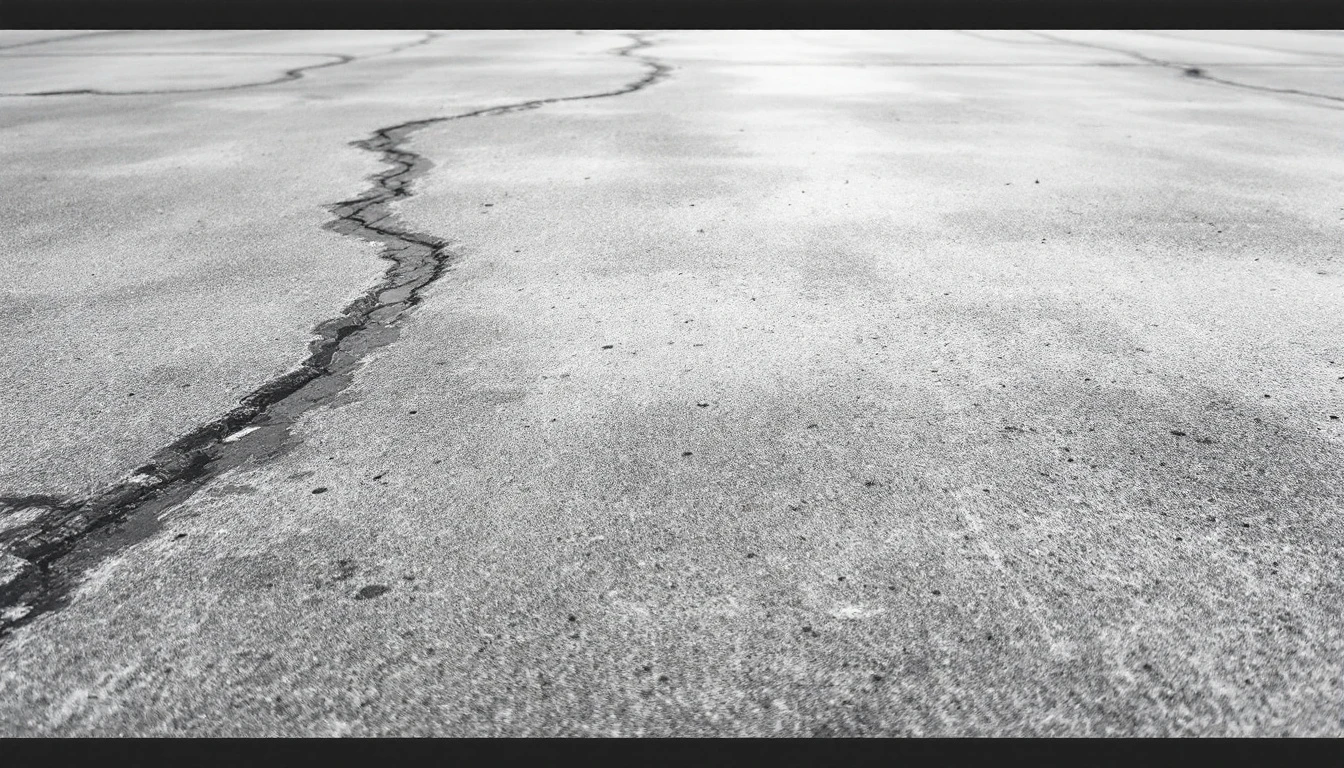
Pouring a new concrete driveway sounds simple until you start pricing it out. The truth is, the final number on your quote depends on a lot more than just how much concrete gets mixed. Size, prep work, slab thickness, reinforcement, drainage, whether an old surface has to come out first, labor, delivery fees, and the finish you pick all push the total up or down. Right now, 2026 pricing data puts South Dakota concrete driveways somewhere between $5 and $15 per square foot installed. As a rough benchmark, a driveway around 650 square feet might run somewhere between $3,276 and $9,828. Treat that as a starting point for budgeting, not a number you can hold a contractor to. Because of how South Dakota winters behave, prep work carries extra weight here. The state's concrete industry has flagged freeze-thaw cycles and deicing salt as two of the bigger threats to a driveway's long-term durability, so cutting corners early tends to show up later as cracking.
What a 2026 Estimate Might Actually Look Like
The easiest way is to measure your driveway's square footage first, then multiply by a local per-square-foot range. Not every driveway is similar in size. A smaller 12-by-24 driveway comes in at 288 square feet, while a bigger 20-by-60 layout hits 1,200 square feet. Bigger footprint, more concrete, more labor.
The Factors That Actually Move the Price
Size and Shape of the Driveway
Square footage matters, so does the shape. A plain rectangle is straightforward to form and pour. Add curves, a second parking pad, odd angles, or a connecting walkway, and the labor, the price climbs.
How Thick the Slab Needs to Be
A driveway meant for regular car traffic doesn't need the same thickness as one that's going to see RVs, trucks, or heavier commercial loads on a regular basis. Thicker slabs cost more upfront in materials, and it may be easy to ask for a thinner pour just to shave off some of the estimate. That's usually a mistake, the right thickness should come from soil conditions, expected loads, drainage, and local code, not from squeezing a budget.
Prepping and Excavating the Site
What's underneath your driveway matters just as much as what's on top of it. Soft or unstable soil, an old asphalt or concrete pad that needs to go, tree roots, standing water, sloped ground, rocky terrain (which shows up in parts of South Dakota more than people expect), all of it adds time and cost.
Tearing out an existing driveway means demolition and hauling away debris, both of which add to the bill. And if what's left underneath isn't stable enough, you may need extra base material trucked in before any concrete gets poured.
Why South Dakota Weather Complicates Things
Freeze-Thaw Cycles
Freeze-thaw resistance is a real design concern rather than an afterthought when it comes to heavy winters in South Dakota. The South Dakota Department of Transportation has its own cold-weather concrete guidance, and the state's concrete industry regularly points to freeze-thaw exposure and road salt as durability risks worth planning around.
The water gets into cracks or porous spots, freezes, expands, and over enough cycles that damage adds up. A well-built base, the right concrete mix, properly placed joints, working drainage, and careful curing are what stand between your driveway and that slow deterioration.
Pouring Concrete in Cold Weather
Winter placement is trickier. Contractors often need extra steps like blankets, heated enclosures, adjusted mix designs to protect fresh concrete when temperatures drop. If a contractor's winter price seems unusually low, ask exactly how they plan to protect and cure the slab. A cheap pour that doesn't cure properly in the cold isn't actually cheap in the long run.
Concrete vs. Other Driveway Materials
Concrete isn't the only option on the table.
- Asphalt typically costs less to install than concrete but needs more upkeep over time and reacts differently to South Dakota's temperature swings.
- Gravel is usually the cheapest way to go, especially for rural properties, but it needs periodic regrading, fresh material added back in, and some attention to drainage so it doesn't wash out.
- Pavers look great and let you swap out individual damaged pieces without redoing the whole surface, but they typically cost more than plain concrete or gravel.
Permits and Local Requirements
Rules around driveways aren't the same everywhere in South Dakota. They shift by city, county, and even by project type. If your driveway connects to a public street, there may be specific requirements covering the approach, curb work, drainage, sight lines, or the right-of-way.
Some current South Dakota project specs, for instance, call for permits before a driveway approach can be built or changed. Check with your city or county before anything gets poured. And don't assume a straightforward replacement driveway is automatically exempt from the same requirements as brand-new construction, that's not always the case.
Picking the Right Contractor
The lowest bid isn't automatically the best one. Ask for a written estimate where all the prices are included. A contractor worth hiring should be able to speak clearly about:
- Concrete thickness and mix design
- Base prep and compaction
- Reinforcement choices
- Where control joints will go
- Drainage and grading
- Removing the old driveway, if needed
- Curing procedures
- Warranty coverage
- Permits and inspections, where they apply
Ask to see recent, similar residential projects, and confirm they're properly insured. And when you're comparing bids, look at the whole scope of work, not just who quoted the lowest price per square foot.
Is Concrete Actually Worth in South Dakota?
For homeowners after a solid, low-maintenance surface, concrete tends to be a smart pick, but only if it's installed correctly. A rushed or poorly prepped job won't hold up, no matter how good the mix design looks on paper.
Think about someone in Sioux Falls tearing out a worn gravel driveway. Paying more upfront for a well-built concrete surface could mean skipping the recurring cost and hassle of regrading and replacing gravel year after year.
That doesn't make concrete the cheapest option out there, it isn't. The real question is whether the durability, appearance, and lower long-term maintenance are worth the higher starting price for your particular property.
Final Thoughts
Concrete driveway pricing in South Dakota swings a lot from one property to the next. A fair 2026 planning number depends on size, specs, site conditions, labor, reinforcement, access, drainage, and location.
Given the state's winters, proper preparation isn't optional, it's what determines whether your driveway lasts. Rather than chasing the lowest bid, compare full project scopes, expected maintenance, and long-term performance before you sign anything.
Drivewayz USA shares driveway information and resources to help homeowners understand materials, costs, and planning decisions before starting a project. Use solid local estimates and a clearly defined project scope to make a confident call on your South Dakota driveway. Or just contact us to decide which driveway suits your project.
Frequently Asked Questions
Published pricing puts it around $5 to $15 per square foot installed. For a 650-square-foot driveway, that works out to several thousand dollars, with the exact number depending on prep, materials, labor, and site conditions.
Gravel usually wins on upfront cost. Just keep in mind it needs periodic regrading and fresh material over time, so factor maintenance into the comparison, not just the install price.
Yes, freeze-thaw cycles and deicing salt both wear on concrete over time. Getting the mix, drainage, base prep, joints, and curing right matters more here than in milder climates.
It depends on your city, county, and the type of work being done. Some places require a permit for new or altered driveway approaches, so check with local authorities before you start.
Measure the driveway area, figure out whether an old surface needs to be removed, and get detailed quotes from a few local contractors. Have each one break down prep, thickness, reinforcement, finishing, drainage, and cleanup so you're comparing apples to apples.