
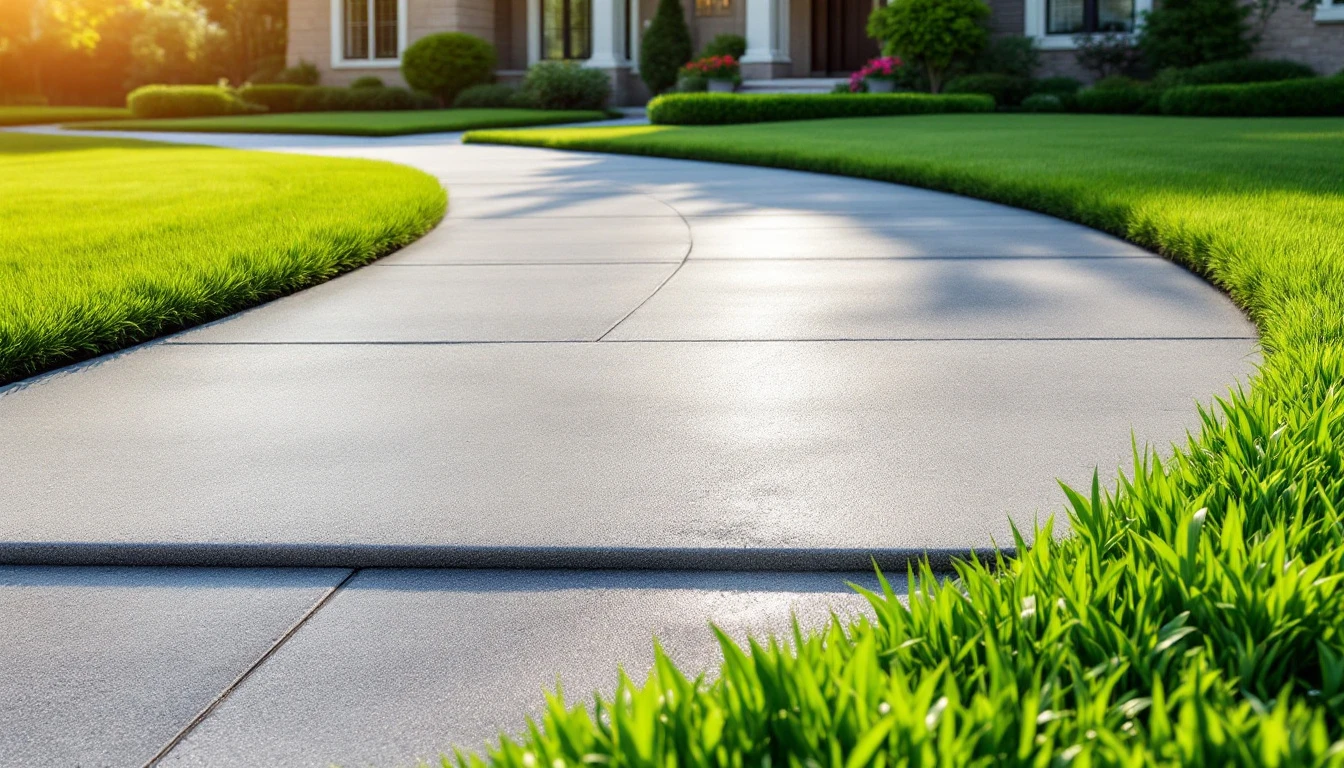
Thinking about installing a new driveway or maybe the old one's cracked to pieces, maybe you're building from scratch, or maybe you just moved in and inherited a gravel mess that turns into a mud pit every spring. However you got here, you've probably already figured out this isn't just a "grab whatever's cheapest at the hardware store" kind of decision. A driveway isn't just a strip of pavement. It shapes how your house looks from the street, how water moves around your foundation, how easily you back out with a trailer hitched up, and how much of your Saturday mornings you'll spend on upkeep for the next twenty years. Asphalt, concrete, gravel, pavers, each one plays by different rules. This guide walks through what actually matters before you sign a contract, so that you could choose something that fits your house instead of just something that was on sale.
Figure Out What You Actually Need First
Before you choose a driveway material, think about how the driveway gets used day to day. How many cars live in your household? Do you get a lot of deliveries? Will a boat trailer, RV, or work truck ever need to squeeze in?
As a rough estimate, one parking space needs roughly 9-10 feet of width, and a two-car driveway needs noticeably more than that once you factor in door clearance and comfortable turning room. Your lot shape matters too, a flat, short suburban driveway has almost nothing in common with a long, sloped rural one, and the right material can differ accordingly.
Don't Ignore the Climatic Conditions
Weather will make or break your material choice, whether you plan for it or not. Cold climates bring freeze-thaw cycles that stress pavement over time. Hot climates can soften asphalt until it starts to deform under the weight of a parked car. Heavy rain regions need serious attention to drainage and grading, or you'll be dealing with puddles and erosion within a year or two.
If you're in the snowbelt, freeze-thaw resistance and plowability probably top your list. If you're somewhere that gets torrential downpours, drainage design deserves just as much attention as the surface material itself.
Check the Rules Before Installing the Driveway
Your city, county, or HOA might have its own say in driveway width, drainage requirements, curb cuts, setbacks, or even what materials are allowed. Widening a driveway or altering where it meets the street can trigger permit requirements too. It depends entirely on where you live , so check with your local building department or HOA office before construction. This saves you from a very expensive redo.
Weighing the Main Driveway Materials
There's no single "best" driveway. The right pick depends on how you balance durability, looks, upkeep, climate, traffic, and cost.
Concrete
A popular pick for homeowners after durability and low fuss. It takes well to broom finishes, color, borders, and decorative stamping. Installed right with a good base, good drainage, good joint work, concrete can last for decades. But skimp any of those and you'll see cracking. It costs more than asphalt, so weigh that upfront number against how long it's expected to hold up rather than comparing sticker prices alone.
Asphalt
This is the go-to for a smooth drive at a lower starting price. It flexes with temperature swings better than concrete, which helps in places with big seasonal shifts. But it needs regular sealcoating and crack repair to stay in good shape. Extreme heat can be a weak spot. If you want something practical and quick to install, and you don't mind a bit of ongoing maintenance, asphalt is worth a serious look.
Gravel and Crushed Stone
This is the budget-friendly option, especially popular on rural or larger properties. Water drains straight through it instead of pooling on top, which is a real advantage in wet climates. Gravel shifts under tires, ruts form, and you'll be regrading or adding fresh stone periodically. Snow removal gets trickier too. A long country driveway suits gravel well; a steep driveway leading straight into a garage might frustrate you.
Pavers
Brick, concrete pavers, and natural stone offer the most design freedom by far. Damage one section and you can pull those pieces and swap them out instead of replacing the whole driveway. The downside is cost and the importance of getting the base and edge restraints right the first time. Skip that step and you'll be fighting weeds and shifting pavers down the road.
Your Budget Needs to Cover More Than the Surface
The process like excavation, demolition, grading, drainage work, base prep, edging, permits, hauling away debris, and tricky site access can all move the final number significantly. Get itemized bids from a few contractors and read them closely. A $5,000 bid and a $7,000 bid aren't really comparable if one quietly left out excavation or drainage that the other included.
The Ground Underneath Matters More
You can pour the most beautiful driveway on earth and still watch it crack in three years if what's underneath wasn't done right. A good contractor checks the soil, clears out anything unsuitable, sets the correct grade, and compacts the right base for your specific site. How thick that base needs to be depends on your soil, climate, drainage, and expected traffic.
Clay-heavy soil holds water and swells and shrinks with the seasons. Sandy or loose soil often needs stabilizing. Any contractor worth hiring should be adjusting their approach to your actual dirt, not running the same playbook on every job.
Get Drainage Sorted
Standing water is probably the single biggest enemy of a long-lasting driveway. Water needs a clear path away from your house and shouldn't be allowed to pool near the foundation or garage door. Depending on your lot, that might mean grading changes, swales, channel drains, catch basins, or some combination.
Picking a Contractor Without Getting Burned
Don't just choose whoever quoted the lowest number. Ask about their experience with the specific material you've chosen, insurance, licensing, warranty terms, drainage plans, and how they prep the base. Ask for references or photos of recent local jobs.
A solid estimate spells out exactly what's included. Be wary of vague proposals, big upfront payment demands, high-pressure sales tactics, or a bid that's dramatically lower than everyone else's with no real explanation why.
What Installation Day (and the Weeks After) Actually Looks Like
Timelines shift depending on material, weather, site conditions, and permits. But most projects follow a similar path like tear out the old surface, excavate and grade, prep and compact the base, install any drainage, lay the new material, finish the surface, then wait for it to cure or set properly before you drive on it.
Concrete needs real curing time. Asphalt needs to cool and firm up. Pavers need their joints and edges finished properly before they're ready for regular traffic. Your contractor should tell you exactly when it's safe to park on the new surface.
Final Thoughts
Good driveway decisions start with the right questions, not the right price tag. Look at how your property will use the driveway, factor in your climate, compare the materials honestly, plan drainage from the start, budget for the whole project (not just the surface), and choose your contractor on quality, not just cost.
Whether you land on concrete, asphalt, gravel, or pavers, a little upfront planning goes a long way toward avoiding costly surprises and getting a driveway that actually works for your home for years to come. For homeowners comparing options or looking to connect with local professionals. Drivewayz USA offers resources to help make the process easier.
Frequently Asked Questions
There isn't a universal winner. Concrete, asphalt, gravel, and pavers each shine in different situations depending on your climate, soil, drainage, traffic, maintenance tolerance, style preferences, and budget.
Usually, yes, on the upfront install cost but pricing varies by region, driveway size, site prep, and who you hire. Factor in long-term maintenance too before deciding which one's really cheaper.
It depends a lot on installation quality, drainage, climate, traffic, and how well it's maintained. Well-built concrete and paver driveways can last a long time; asphalt and gravel need more regular upkeep to stay functional.
Small cracks and isolated wear are often fixable. Widespread cracking, settlement, drainage failure, or structural issues usually point toward replacement. Have a professional assess the base and surface before deciding.
Licensing, insurance, references, material specs, base prep, drainage plans, permits, timeline, payment schedule, warranty, and exactly what's covered in the estimate. Get it all in writing, it makes comparing bids and avoiding surprise costs a lot easier.