
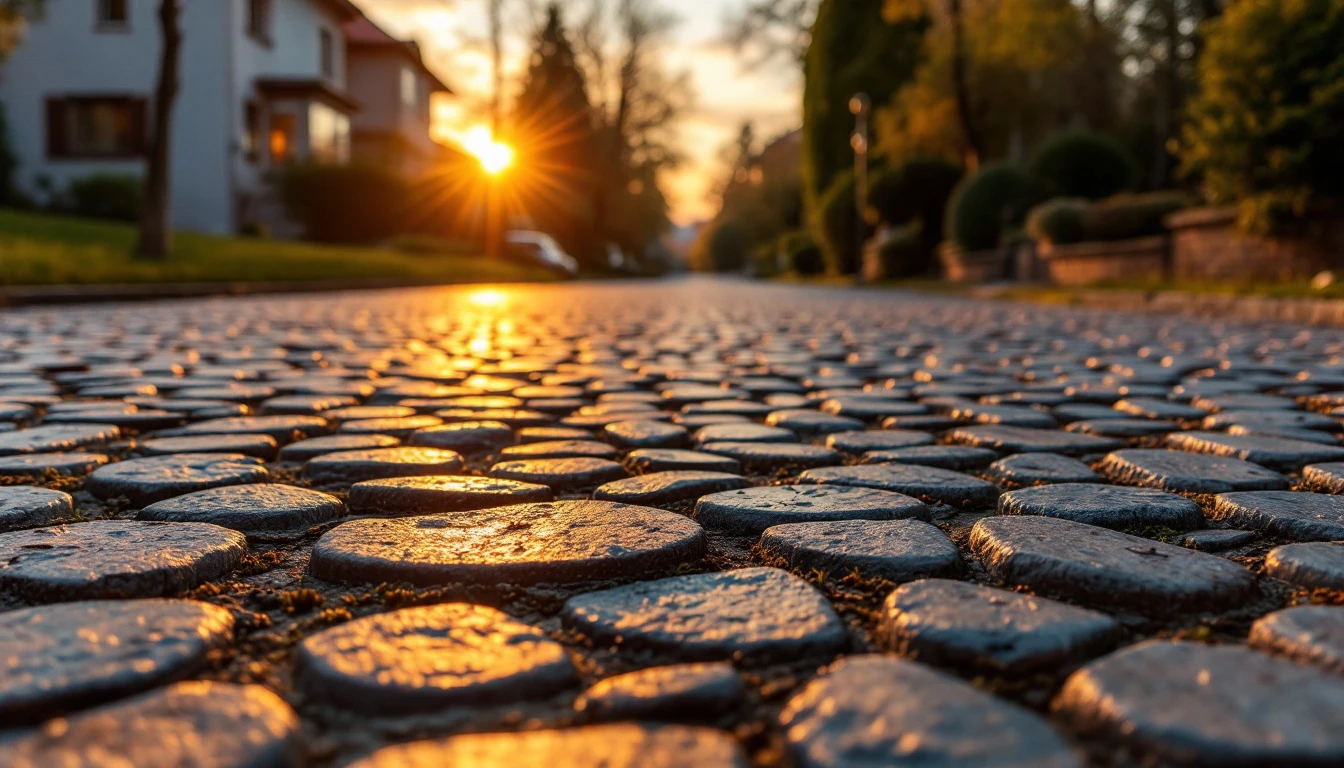
Choosing the right driveway material in California’s coastal regions is essential for ensuring long-term durability, visual appeal, and cost efficiency. Coastal environments present unique challenges that can quickly damage standard driveway surfaces if the wrong materials are used. Salt air, high humidity, and unstable soil conditions all play a role in reducing the lifespan of traditional driveways.
Why Coastal California needs specialized Driveway Materials
Living near the ocean comes with environmental conditions that are harsher than inland areas. Constant exposure to salt and moisture can weaken driveway surfaces, leading to cracks, corrosion, and early deterioration. Some of the most common challenges include:
- Salt exposure that accelerates surface damage
- High humidity that weakens structural integrity
- Drainage issues that lead to water accumulation
- Sandy or shifting soil that affects stability
Because of these factors, it is important to choose driveway materials that are specifically designed to withstand coastal conditions.
Air-Entrained Concrete: A Durable Coastal Solution
Air-entrained concrete is widely considered one of the best driveway materials for coastal regions. It is engineered with microscopic air pockets that allow it to expand and contract without cracking under moisture and salt exposure.
This type of concrete offers excellent durability and can last for decades when properly maintained. It is also strong enough to handle heavy vehicles without structural damage.
To maximize its lifespan, homeowners should apply a protective sealer every few years and ensure that corrosion-resistant reinforcements are used during installation. With proper maintenance, concrete driveways remain one of the most reliable options for coastal homes.
Concrete Pavers: Strength Meets Aesthetic Appeal
Concrete pavers are a popular choice for homeowners who want a combination of durability and design flexibility. Unlike traditional concrete slabs, pavers are installed as individual units, which allows them to adapt better to shifting soil conditions.
One of the biggest advantages of pavers is their ability to handle drainage effectively. Water can pass through the joints, reducing the risk of pooling and long-term damage. Also, if one section becomes damaged, individual pavers can be replaced without affecting the entire driveway.
Concrete pavers also come in a wide range of colors, textures, and patterns, making them an excellent option for enhancing curb appeal while maintaining long-term performance.
Polymer-Modified Asphalt: A Cost-Effective Option
For homeowners looking for a more budget-friendly driveway solution, polymer-modified asphalt is a practical choice. This upgraded version of traditional asphalt is designed to be more flexible and resistant to cracking.
While asphalt is not as durable as concrete or pavers in coastal environments, the addition of polymers improves its resistance to moisture and salt exposure. It also has the advantage of being quicker to install and less expensive upfront.
However, asphalt requires regular maintenance, including sealing every few years, to maintain its appearance and performance. It is best suited for homeowners who prioritize affordability while still needing a reliable surface.
Resin-Bound Gravel: A Modern and Eco-Friendly Choice
Resin-bound gravel is becoming increasingly popular in coastal California due to its permeability and environmentally friendly design. This material combines natural stone with a strong resin binder to create a smooth and durable surface.
One of its key benefits is excellent drainage. Water flows through the surface rather than pooling on top, which helps prevent damage and supports sustainable water management. It is also slip-resistant and visually appealing, making it suitable for modern homes.
Resin-bound gravel works best in areas with moderate traffic and is ideal for homeowners who want a balance between functionality and eco-conscious design.
Comparing Driveway Materials for Coastal Performance
Each driveway material offers different benefits depending on your needs. Concrete provides long-term durability and minimal maintenance, while pavers offer flexibility and design versatility. Asphalt is more affordable but requires regular upkeep, and resin-bound gravel stands out for its drainage capabilities and environmental benefits. Choosing the right option depends on your budget, maintenance expectations, and the specific conditions of your property.
Installation Tips for Coastal Driveways
Proper installation plays a critical role in how well a driveway performs over time. Even high-quality materials can fail if they are not installed correctly.
A strong and stable base is essential, especially in sandy or shifting soil. Layers should be compacted thoroughly to prevent movement and sinking. Drainage is equally important, as water buildup can weaken the structure and lead to cracks. Applying protective sealants can also help prevent salt and moisture from penetrating the surface, extending the life of the driveway.
Maintenance Tips for Long-Lasting Results
Maintaining a driveway in coastal conditions does not require constant effort, but regular care is necessary to preserve its quality.
Homeowners should clean their driveways periodically to remove salt buildup and inspect for any signs of damage. Small cracks or issues should be addressed early to prevent them from worsening. Reapplying sealants as recommended will also help protect the surface from environmental exposure. With consistent maintenance, most driveway materials can perform well for many years, even in coastal environments.
Environmental and Local Considerations in California
Coastal areas in California often have strict environmental regulations, particularly regarding drainage and water runoff. Permeable driveway options such as pavers and resin-bound gravel can help meet these requirements.
Additionally, homeowners should check local guidelines or homeowners association rules before installing a new driveway to ensure compliance with design and material standards.
Choosing the Best Driveway Material for Your Home
Selecting the right driveway material involves balancing several important factors. Climate resistance should always come first, followed by budget, maintenance requirements, and overall appearance. By prioritizing materials that can withstand salt, moisture, and shifting soil, homeowners can avoid costly repairs and ensure long-term performance.
Drivewayz USA is a trusted provider that specializes in helping homeowners select and install driveway solutions suited for coastal conditions. With a focus on quality materials, expert craftsmanship, and long-lasting results, we ensure every project is built to handle the challenges of salt air, moisture, and changing ground conditions.