
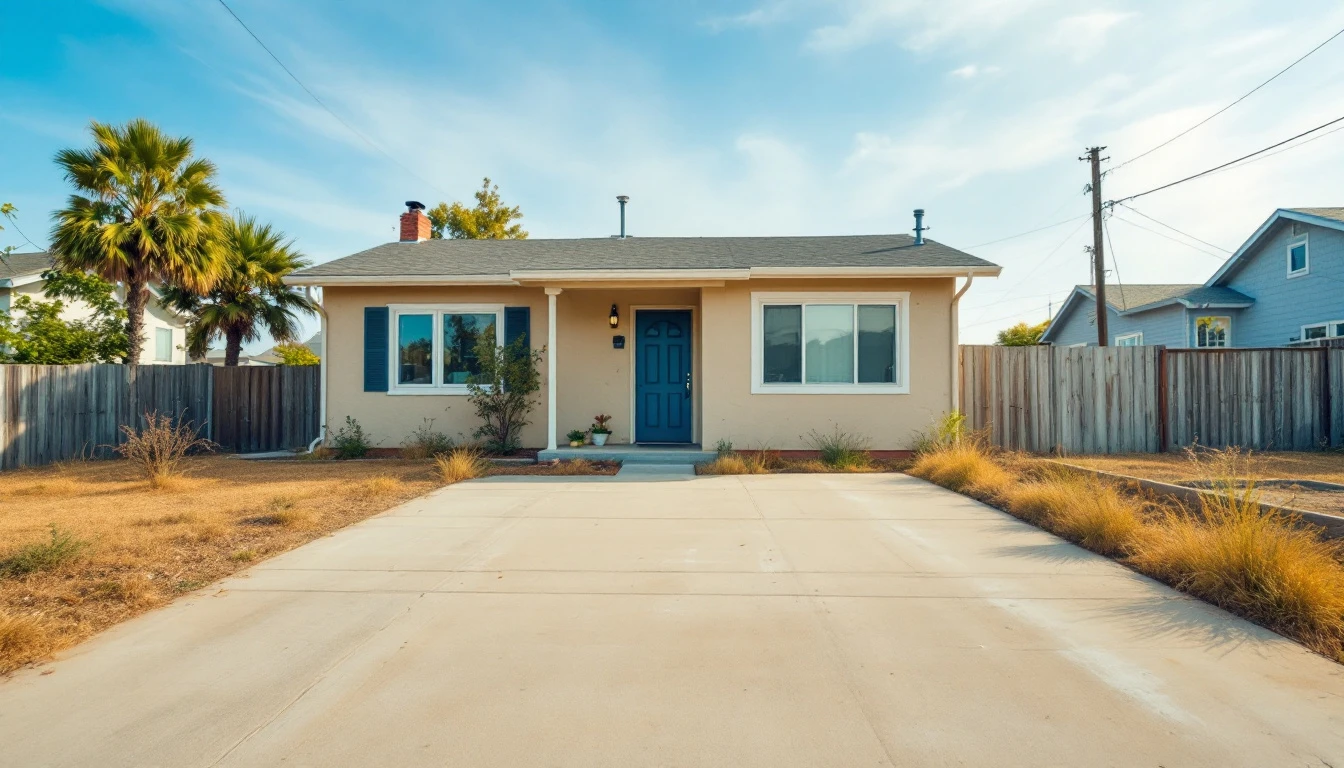
If you own rental property, picking a driveway material isn't just about who quoted the lowest price. You need something that can take a beating from different tenants' cars, still look decent when a new renter pulls up for a showing, and not fall into your maintenance budget every other year. Concrete, asphalt, gravel, and pavers each have a place. Which one actually makes sense for you depends on your climate, how much traffic the driveway sees, what you're willing to spend upfront versus over time, drainage on the lot, and what your local building codes allow. A driveway that's perfect for a single-family home in Phoenix might be the wrong call for a duplex in Minnesota.
What Actually Makes a Driveway "Rental-Ready"?
Tenants don't treat driveways the way owners do, not out of carelessness, but of different circumstances. Multiple cars, work trucks, trailers, moving trucks during turnover season. It adds up to more wear than a typical owner-occupied home sees.
So When You're Weighing Options, Four Things Matter Most
how tough the surface is, how much upkeep it demands, how it looks to prospective renters, and what it actually costs you over the years you own the place.
Can It Handle Tenant Traffic?
The driveway needs to shrug off repeated vehicle use without cracking, potholing, or sinking within a few years. And here's the thing most landlords underestimate, that is, the base underneath matters more than the surface on top.
A properly built asphalt driveway can hold up for a couple of decades. A rushed one, poured over bad prep work, might start falling apart in half that time. Grading, drainage, and how well the base was compacted will make or break the material's actual lifespan, no matter what you paid for the surface layer.
How Much Work Will It Be for You?
If you're managing more than one property, you don't want a driveway calling for your attention every season. Concrete tends to need the least fussing over time. Asphalt is fine if you don't mind budgeting for the occasional crack fill and sealcoat. Gravel is cheap to install but will ask for grading and topping off now and then.
Does It Help You Rent the Place?
The driveway is often the first thing a prospective tenant notices when they pull up. Cracked, weedy, oil-stained pavement sends a message, even if the rest of the unit is in great shape. You don't need anything fancy here. A clean surface with solid drainage and neat edges does the job without spending on decorative upgrades nobody's asking for.
Weighing the Options: Which Material Fits Which Rental?
There's no single "best" material that wins in every situation, it really comes down to your specific property and plans.
Concrete: The Long-Haul Choice
If you're planning to hold onto a property for years, concrete is usually the smart bet. Installed correctly, it lasts a long time and doesn't demand much routine attention.
A simple broom finish works fine for a rental. It gives good traction and skips the cost of anything decorative. Concrete also handles oil stains better than asphalt tends to, though you'll still want proper control joints, solid drainage, and a mix suited to your local weather.
Good Fit For
Long term, milder climates, anyone who wants to set it and forget it.
Asphalt: Lower Cost to Get Started
Asphalt usually costs less to install than concrete and goes down faster. It's also more forgiving in places with harsh freeze-thaw cycles, since it flexes rather than cracking outright. You can expect to deal with crack sealing and periodic sealcoating to keep moisture out. If you're planning to hold the property for several years but want to keep upfront spending down, this is often the practical middle ground.
Good Fit For
cost-conscious landlords, colder regions, projects where a fast install matters.
Pavers: When Curb Appeal Carries Weight
Pavers give a driveway a noticeably upscale look, which can matter if you're renting at the higher end of the market.
One Real Advantage
repairability. If a section gets damaged, or a utility company needs to dig underneath, you can often pull up and replace just those pavers instead of redoing the whole driveway.
The downside is cost, pavers run well above basic asphalt, concrete, or gravel.
Good Fit For
premium rentals where appearance and easy spot-repairs are worth paying more for.
Gravel: Budget-Friendly for Rural Lots
Gravel is about as cheap as driveway materials get, especially useful for longer rural driveways. It's also permeable, which helps with drainage in a way paved surfaces can't match. Tires shift the stones around, heavy rain washes material out of place, and you'll periodically need to regrade or add more aggregate.
For a rural rental where local rules don't require paving and the budget is tight, gravel can be the right call. For a busy suburban driveway seeing daily traffic, though, a paved surface will likely be less hassle in the long run.
Good Fit For
rural properties, long driveways, anyone prioritizing low upfront cost over low upkeep.
What Does a Rental Driveway Actually Cost?
Pricing swings a lot based on where you're located, how big the driveway is, whether excavation or drainage work is needed, current material and labor costs, and the condition of whatever's already there. Treat any national average as a rough planning number, not a quote.
For a typical 600-square-foot driveway, here's an approximate range:
- Gravel — $1,200–$3,000 installed, typical lifespan 15–20 years
- Asphalt — $2,400–$4,800 installed, typical lifespan 15–20 years
- Concrete — $3,600–$7,200 installed, typical lifespan 25–30 years
- Concrete pavers — $6,000–$10,800 installed, typical lifespan 25–35 years
These are planning figures, not bids. Local labor rates, removal of an old driveway, drainage needs, and site conditions can all push actual costs in either direction. What matters more than the sticker price is the total cost of ownership over the years you'll hold the property.
Why Installation Quality Matters More Than the Material Itself
Even a premium material will fail early if the ground underneath wasn't prepped right.
Before anything gets poured or paved, a contractor should be checking the soil, drainage, and grading. Pulling out any organic material or unstable soil and properly compacting the base underneath.
Drainage especially deserves attention. Water pooling against the driveway or the foundation can lead to erosion, settling, cracking, the problems that cost far more to fix later than they would have to prevent.
It's tempting to cut the project price by skimping on prep work. Resist that urge. Spending a bit more upfront on proper base work tends to pay for itself by avoiding early repairs.
So, Which Material Should You Actually Pick?
Start from what the property needs, not what looks nicest in a brochure or costs least on day one.
- Choose concrete if you want something durable and low-maintenance, and you're planning to hold the property for the long run.
- Choose asphalt if keeping upfront costs down matters, especially in a colder climate.
- Choose pavers if you're renting at the premium end of the market and curb appeal is a real selling point.
- Choose gravel if the property is rural, local rules allow it, and minimizing initial spend is the priority.
Before you commit, double-check local regulations, HOA rules, drainage requirements, and any permits you might need. A material that seems like the obvious budget pick might not even be legal in your area if paving is required.
Final Thoughts
The best driveway material for a rental isn't automatically the cheapest or the most expensive option on the list. It's whatever actually fits the property's climate, traffic patterns, rental market, and your appetite for maintenance. Whatever material you land on, it's only as good as the prep work underneath it. Like grading, drainage, and a properly compacted base. Get that right, and a well-built driveway will keep tenants happy and cut down on maintenance calls for years.
If you're planning a new driveway or replacing an old one, Drivewayz USA can help connect you with driveway solutions suited to your property's needs.
Frequently Asked Questions
Concrete tends to be the strongest choice for landlords holding a property long-term, thanks to its durability and low upkeep. That said, asphalt, gravel, and pavers can all be better fits depending on your climate, budget, and expected traffic.
Both hold up well. Asphalt costs less to install and does better in freeze-thaw climates, while concrete typically lasts longer and needs less routine maintenance once it's properly installed.
It can be, especially for rural or budget-focused properties. It's affordable and works fine on the right site, but plan on periodic grading and adding more aggregate over time.
Start with solid site prep and drainage, pick a material that suits your climate and traffic levels, walk the driveway regularly, and fix small problems before they turn into expensive ones.
No, the installation price is just one piece. Lifespan, maintenance demands, climate, drainage, traffic, curb appeal, local rules, and how long you plan to hold the property should all factor into the decision.