
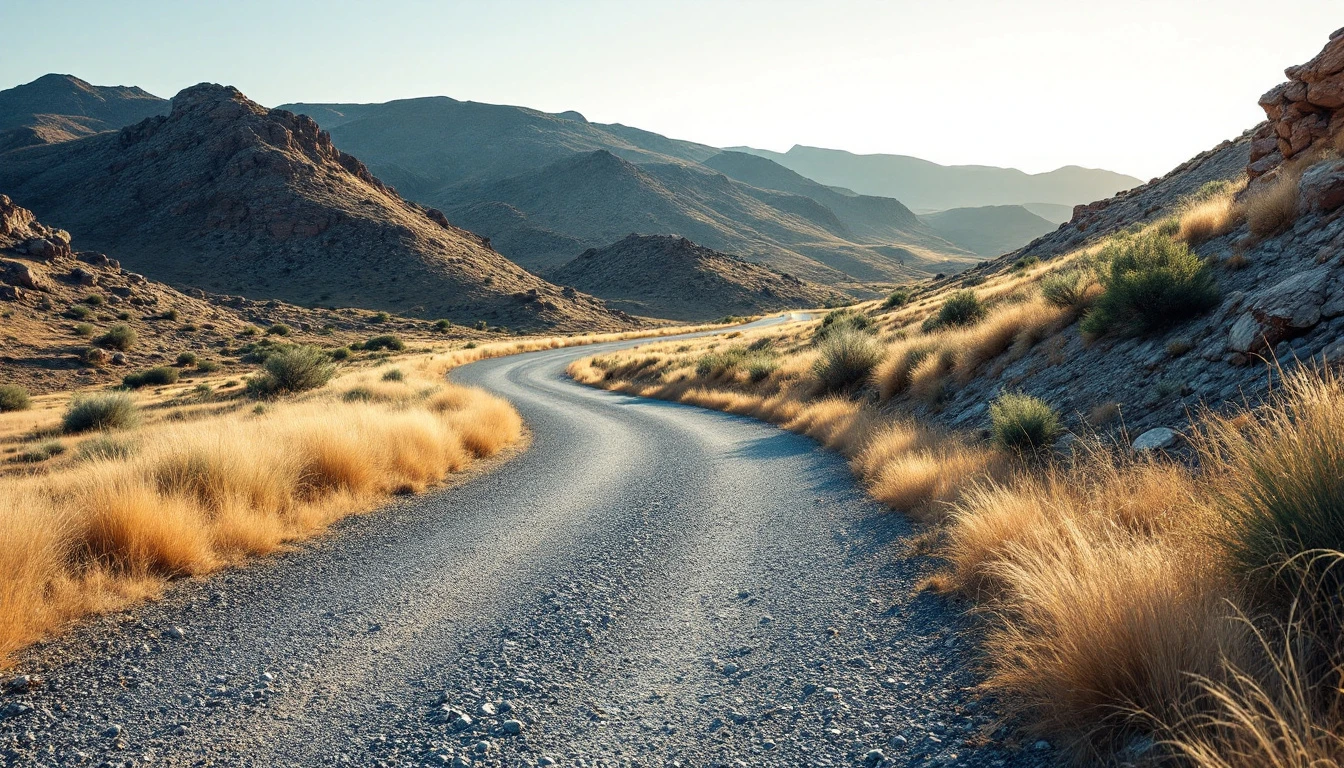
Picking a driveway material for New Mexico homes sounds simple until you actually live with the decision for a decade. In New Mexico, the sun doesn't just shine, it bakes. Rain, when it comes, tends to arrive in short, hard bursts rather than gentle showers. And depending on where you are in the state, you might deal with a hard freeze a few times a winter or none at all. All of that matters more than most homeowners realize when they're standing in a showroom comparing samples. This guide walks through the main options, how each one actually holds up under New Mexico conditions, and how to think through the trade-offs for your own property.
Why the Material You Pick Actually Matters Here
A few things make New Mexico driveways different from, say, a driveway in Ohio or Oregon:
- Relentless UV exposure that breaks down weaker surfaces over time
- Soil that swells and shifts once it gets wet
- Freezing nights in the northern parts of the state, even if the days stay mild
- Dust and windblown sand that never really stops
Someone building a driveway in Albuquerque is mostly fighting heat. Someone in Santa Fe is more worried about freeze-thaw cycles cracking things apart. Get the material wrong for your specific spot, and you could be looking at cracks, fading, or a full redo well before you expected to spend that money again.
Concrete Driveway: The Reliable Workhorse
Concrete tends to be the default recommendation, and for good reason. Unlike asphalt, it reflects heat rather than soaking it in, which matters a lot during a New Mexico summer. It also gives you room to get a little creative like stamped patterns, tinted finishes without sacrificing durability.
What it has going for it:
- Holds up for years with minimal fuss
- Doesn't absorb and radiate heat the way dark asphalt does
- Lower maintenance burden than most alternatives
- Can be dressed up with stamping or color if you want more than plain gray
The Catch
if the ground underneath shifts a lot, concrete can crack. Good base prep and properly placed expansion joints go a long way toward avoiding that headache.
Asphalt Driveway: Cheaper Up Front, Trickier in the Heat
Asphalt is the budget-friendly option a lot of people gravitate toward first, but it doesn't love extreme heat. On the hottest days, it can actually soften underfoot, which over time leads to ruts, dips, and an uneven surface.
Why people still choose it:
- Costs less than concrete initially
- Goes in faster
- Gives you that smooth, dark, freshly-paved look
Where it falls short:
- Needs sealing on a regular schedule
- Can get soft and tacky when temperatures spike
- Simply doesn't last as long in hot climates as it might somewhere cooler
If your property has a lot of shade or you're in a part of the state with milder summers, asphalt can still work fine. But for full-sun properties in the hotter regions, it's often not the best long-term bet.
Gravel Driveway: Cheap, Practical, and Common
Out in the more rural parts of New Mexico, where driveways can stretch a quarter mile or more, gravel just makes financial sense. Paving that kind of distance gets expensive fast.
Upsides:
- Inexpensive and quick to lay down
- Handles rainfall runoff better than almost anything else
- Easy to patch yourself if a section gets rough
Downsides:
- Needs periodic regrading to stay level
- Gravel migrates — expect some scattering and rutting over time
- Dust is basically part of the deal
What Actually Drives the Decision
Climate
High heat plus occasional hard freezes is a tough combination. Concrete and pavers generally handle both better than asphalt does.
Soil Movement
New Mexico dirt doesn't stay put once it gets wet. Flexible options like pavers, or well-reinforced concrete, cope with that better than rigid alternatives.
Drainage
Bad drainage is how driveways erode and crack prematurely. Gravel and permeable paver systems are your best bet if water management is a concern.
Ongoing Upkeep
Roughly speaking:
- Concrete - set it and mostly forget it
- Asphalt - plan on regular sealing
- Gravel - expect to regrade occasionally
- Pavers - periodic cleaning and joint upkeep
Which One Should You Actually Pick?
There's no universal right answer here, it really comes down to where you live, what you're willing to spend, and how the driveway will get used.
- Want it to last with minimal babysitting? Concrete.
- Working with a tight budget? Gravel or asphalt.
- Care most about how it looks? Pavers.
- Want a reasonable compromise? Chip seal.
A homeowner in a subdivision might lean toward concrete simply because it lasts. Someone with acres of rural land might go with gravel because paving the whole stretch just isn't worth it financially.
Mistakes People Make Along the Way
- Skipping proper soil prep before installation
- Choosing purely on sticker price
- Not planning for drainage at all
- Ignoring what the material will cost to maintain down the line
Any one of these can turn a "good deal" into an expensive redo a few years down the road.
Final Thoughts
There's genuinely no single best answer for every property in New Mexico. Climate, soil, and how much upkeep you're willing to do all factor in. Concrete, pavers, gravel, and chip seal each solve a different version of the problem.
If you want more guidance on figuring out what's right for your specific property, Drivewayz USA has resources aimed at homeowners navigating exactly these regional differences. Whether you're starting from scratch or replacing something that didn't hold up, getting the material choice right up front saves a lot of headaches later.
Frequently Asked Questions
Concrete and pavers tend to win out here. They handle heat better than asphalt and don't demand as much upkeep.
For rural properties, yes. It's cheap and drains well, though it does need occasional maintenance to stay in good shape.
With solid installation and basic upkeep, 25 to 30 years isn't unusual.
Not melt, exactly, but it can soften and warp under extreme temperatures, which shortens its usable life.
Concrete, by a fair margin, compared to asphalt, gravel, or pavers.