
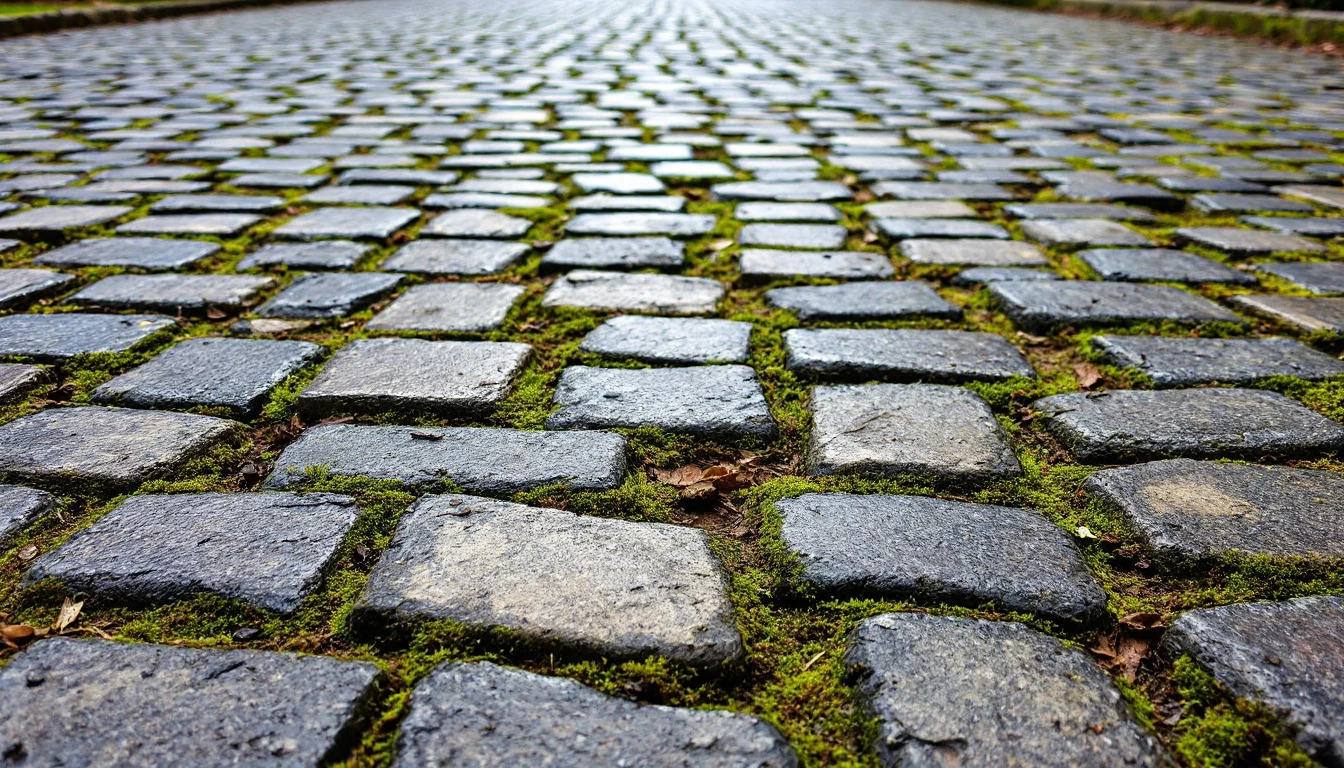
Picking the right driveway material for a Kentucky home isn't just a curb-appeal decision, it's a durability decision. Between humid summers, cold winters, and the freeze-thaw cycles that come with the territory, the wrong material can start falling apart faster than most homeowners expect. If you want something that handles moisture, temperature swings, and everyday traffic without turning into a repair project, the material you choose matters as much as how it's installed. This guide walks through what actually affects driveway performance in Kentucky, breaks down the main material options, and offers some practical, real-world guidance for making the call.
How Kentucky's Climate Wears Down a Driveway
Kentucky doesn't have one climate problem, it has several, stacked on top of each other. Summers run hot and sticky. Winters dip below freezing. And in between, the state cycles through freeze-thaw conditions that are brutal on pavement: water works its way into hairline cracks, freezes, expands, and pries the surface apart from the inside.
Drive through almost any Kentucky neighborhood and you'll spot driveways that started cracking or heaving within just a few years. Because the material wasn't suited to the conditions in the first place. Getting the material right from the start saves a lot of headaches down the road.
What to Consider Before You Choose
A few factors should shape the decision before you settle on anything:
Durability and Weather Resistance
The surface needs to survive freezing winters and heavy rain without cracking or shifting.
Maintenance Requirements
Some materials basically take care of themselves, but few others need regular sealing or patching to stay in shape.
Drainage
Water that pools instead of draining away is one of the fastest ways to shorten a driveway's lifespan.
Curb Appeal
A driveway is one of the first things people notice about a home, so it should fit the style of the house.
Long-Term Value
The cheapest option upfront isn't always the cheapest option over ten years, think about maintenance costs, not just installation costs.
Concrete Driveway
Concrete remains one of the most popular choices in Kentucky, and it's easy to see why because it's tough, clean-looking, and holds up well over time.
What it does well:
- Handles heavy vehicles without warping or shifting
- Requires less upkeep than most alternatives
- Fits both modern and traditional home styles
- Lasts for decades when installed properly
Concrete is rigid, which means severe freeze-thaw cycles can crack the driveway, if it wasn't installed with proper control joints and sealing. Get the installation right and the risk drops significantly.
Asphalt Driveway
Asphalt is the other go-to option across the state, largely because it bends instead of breaking.
What it does well:
- Flexes with temperature changes instead of cracking under stress
- Installs faster than most alternatives
- Costs less upfront than concrete or pavers
- Repairs relatively easily
Asphalt needs resealing every couple of years, and without that maintenance, it can soften during Kentucky's hotter summer stretches. It's a common sight in suburban Kentucky for exactly this reason. It holds up reasonably well through swinging weather and doesn't punish you if you skip a maintenance cycle once in a while.
Gravel Driveway
In rural parts of Kentucky, where driveways can stretch for hundreds of feet, gravel is often the go-to.
What it does well:
- Costs far less to install than paved surfaces
- Drains water exceptionally well
- Simple to patch or refresh yourself
Gravel shifts and settles over time, so it needs periodic leveling and topping-off. It also won't give you the polished, finished look of concrete or pavers. For long farmhouse driveways or rural entryways, though, it's hard to beat for practicality.
Pavers Driveway
If curb appeal is high on the priority list, pavers are worth a look. They're strong, flexible, and come in enough styles and colors to match almost any home.
What it does well:
- Resists cracking better than rigid surfaces
- Damaged sections can be replaced individually instead of redoing the whole driveway
- Offers the most design flexibility of any option
Pavers cost more upfront and need a properly built, stable base to perform well long-term. It's a popular pick in Kentucky's more urban neighborhoods, where homeowners are often weighing driveway choices against overall property value.
Which One's Right for Your Home?
It really comes down to your property and your priorities:
- Want durability with minimal fuss? Concrete is the safer long-term bet.
- Need something flexible and easier on the budget? Asphalt checks that box.
- Got a long rural driveway? Gravel is the practical route.
- Care most about appearance and customization? Pavers deliver that.
Installation Is Just as Important as the Material
Even the best material can fail if the installation is done wrong. Grading, base preparation, and drainage design all play a bigger role in a driveway's lifespan than people usually assume. A properly handled installation gets you:
- A solid foundation that won't shift or sink
- Water that actually drains away instead of pooling
- A much lower chance of premature cracking
Skip these fundamentals, and even top-tier material can start failing within a few years, which usually means paying for repairs sooner than expected.
Keeping It in Good Shape (Maintenance)
A little regular maintenance goes a long way toward protecting your investment:
- Reseal concrete and asphalt on a regular schedule
- Patch small cracks before they spread
- Keep the surface clear of debris
- Make sure drainage around the driveway stays clear
None of this takes much effort, but skipping it is usually how small problems turn into expensive ones.
Final Thoughts
There's no single "best" driveway material for every Kentucky home. It depends on your budget, your property, and what you're willing to maintain. Concrete and asphalt both hold up well against the state's freeze-thaw cycles, gravel is hard to beat for large rural lots, and pavers offer the most visual flexibility if that's the priority.
Whatever direction you lean, working with an experienced local installer, like the team at Drivewayz USA makes a real difference. Getting the material selection and the installation right together is what actually determines whether a driveway lasts five years or twenty-five.
Frequently Asked Questions
Concrete and asphalt are generally the most reliable, since both hold up well against the state's freeze-thaw cycles.
A well-installed concrete driveway can last 25 - 30 years. Asphalt usually runs 15 - 20 years with regular maintenance.
Yes, particularly for rural properties. It drains well, though it does need periodic leveling and topping-off.
Asphalt should be resealed roughly every 2 - 3 years. Concrete's timeline depends more on usage and weather exposure.
Absolutely. Weak base preparation or poor drainage planning can cut years off any material's lifespan, regardless of quality.