
If you've ever watched a driveway crack apart after just a few brutal summers, you already know that heat doesn't play fair on it. Picking a driveway material for hot climates isn't only about curb appeal, it's really a decision about how much cracking, patching, and re-sealing you're willing to put up with over the next twenty years. This guide walks through how different materials actually hold up once temperatures start climbing, and what's worth weighing before you commit to one.
Why Heat Is Harder on Driveways
A driveway in Phoenix or Dallas is living a very different life than one in Seattle. A few things are working against it constantly:
Thermal Expansion
Materials swell as they heat up and contract as they cool. Do that enough times and you start seeing cracks, warping, or soft spots developing where you'd least expect them.
UV Breakdown
Sun exposure isn't just cosmetic damage. It slowly degrades the binders holding certain materials together with asphalt, especially leaving the surface brittle and faded well before its time.
Shifting, Dry Soil
Ground in arid regions tends to dry out and move more than people expect, and a driveway sitting on unstable soil is going to crack or heave no matter how well it was poured.
Put these three together, and it's easy to see why the "best" driveway material really depends on climate, not just budget.
Concrete Driveway: The Workhorse of Hot-Weather Driveways
Concrete tends to be the default recommendation for hot regions, and for good reason.
- It holds up structurally even in extended heatwaves
- Its light color reflects sunlight rather than soaking it in
- It resists softening in ways asphalt simply can't
- Installed correctly, it lasts decades
Homeowners in places like Arizona and Texas lean on concrete for a simple reason, it stays still. Temperatures pushing past 100°F for weeks at a time don't destabilize it the way they would a softer surface.
Concrete needs proper expansion joints during installation. Skip that step, and you're inviting cracks down the road. It's a fixable problem, but only if it's addressed up front.
Asphalt Driveway: Cheaper Upfront, Trickier in the Heat
Asphalt has its fans, and the lower installation cost is a real draw. It also flexes a bit with minor ground shifts, which some homeowners appreciate. But heat is asphalt's weak spot. It absorbs warmth rather than reflecting it, which means:
- The surface can soften under direct sun
- Heavy vehicles can leave ruts in that softened surface
- Sealing becomes a recurring chore, not a one-time task
Asphalt isn't a bad option everywhere. In lighter-traffic neighborhoods, with consistent sealing and moderate use, it can still perform reasonably well. It's just not a "set it and forget it" material the way concrete can be.
Pavers Driveway: Built for Flexibility
Pavers have picked up a lot of popularity lately, and once you understand how they're built, it makes sense why.
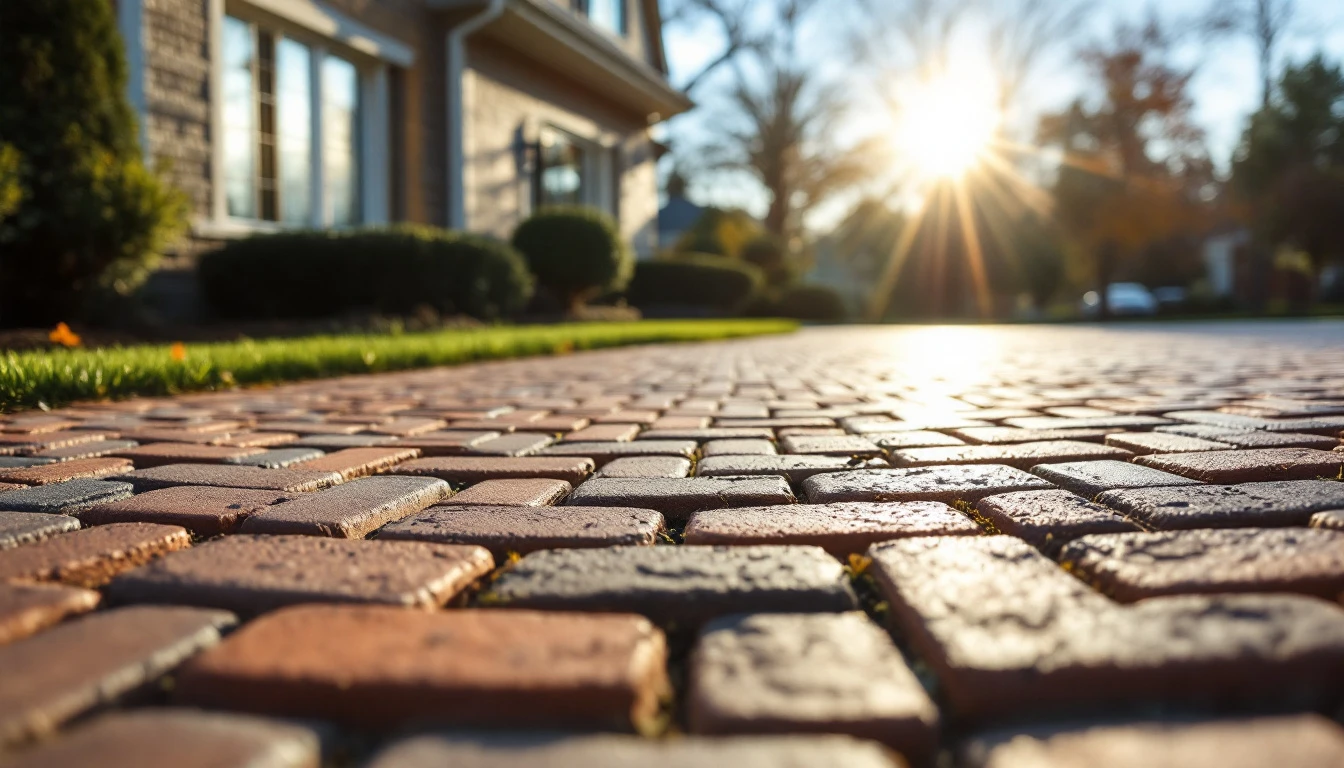
Because they're individual units rather than one continuous slab, pavers expand and contract independently. That alone solves a huge chunk of the cracking problem other materials run into. A few other perks:
- Strong heat resistance overall
- Damaged sections can be swapped out instead of redoing the whole driveway
- Better drainage than a solid poured surface
- Options range from concrete pavers to brick to natural stone
In coastal and desert areas alike, pavers are often the go-to for homeowners who want something that won't develop the kind of large, unsightly cracks on solid surfaces. If one section does shift, it's a repair job, not a replacement project.
Gravel Driveway: Cheap, Low-Maintenance, Not for Everyone
Gravel is the budget-friendly, low-effort option, and it genuinely shines in the right setting, usually rural properties or driveways that don't see much traffic.
What it has going for it:
- Doesn't hold heat the way solid surfaces do
- Drains well
- Cheap and quick to install
Where it falls short:
- Needs regular leveling
- Tends to shift and scatter over time
- Not built for heavy or frequent vehicle traffic
If you're in a dry region and don't mind a bit of upkeep, gravel can be a perfectly reasonable choice. Just don't expect it to hold up the same way concrete or pavers would under heavier use.
Stamped Concrete: Durability with a Design Upgrade
For anyone who wants the strength of concrete without settling for a plain gray slab, stamped concrete is worth a look. It performs essentially the same as standard concrete under heat stress, but comes in a range of textures and finishes that let you dress it up a bit.
What to Actually Weigh Before Choosing
A few questions worth asking yourself before you sign off on a material:
How intense is your local climate? Extreme, sustained heat generally points toward concrete or pavers.
What's rolling over it? Heavier vehicles call for a sturdier, reinforced surface.
How much maintenance are you signing up for? Asphalt wants regular sealing, gravel wants periodic leveling, and pavers occasionally need resetting. None of these are dealbreakers, they're just ongoing commitments.
What's your soil like? If it's the shifting, dry type common in hot regions, a segmented material like pavers tends to cope better than one continuous slab.
How They Stack Up on Longevity
Roughly speaking, here's the pecking order for hot-climate durability:
- Concrete - long lifespan, low maintenance once installed properly
- Pavers - very durable, and repairs are localized rather than total
- Asphalt - decent lifespan, but only with consistent upkeep
- Gravel - shortest lifespan of the group, though upkeep is simple
If longevity is your main priority, concrete and pavers are consistently the two materials that come out ahead.
Keeping Your Driveway Going the Distance
Even the toughest material benefits from a little care:
- Seal the surface on schedule
- Clean it regularly so debris doesn't build up
- Jump on small cracks before they spread
- Make sure water is draining away properly, not pooling
One Nevada homeowner added more than a decade to their concrete driveway's life just by staying on top of sealing and catching minor cracks early, nothing fancy, just consistency.
Mistakes Worth Avoiding
A lot of early driveway failures trace back to a handful of avoidable missteps:
- Choosing asphalt without accounting for real heat exposure
- Skipping expansion joints in a concrete pour
- Cutting corners on material quality
- Going the DIY route on installation when it really calls for a professional
Any one of these can shave years off a driveway's lifespan, regardless of how good the material itself is.
Final Thoughts
There's no single "best" driveway for every hot-climate home, but concrete and pavers consistently rise to the top when longevity is the priority. They handle heat, resist cracking, and hold up over decades rather than years. Asphalt and gravel still have their place, just with more maintenance attached.
If you're weighing your options, Drivewayz USA offers guidance and resources to help you land on the right material for your specific climate and driveway needs.
Frequently Asked Questions
Concrete and pavers, mainly because of how well they resist heat damage and how long they last.
Not exactly, but it can soften enough under extreme heat to become vulnerable to ruts and surface damage.
It depends on what you value more. Pavers are easier to spot-repair and flex well with heat; concrete gives you one solid, long-lasting surface. Both hold up well overall.
Stay consistent with sealing, cleaning, and addressing cracks while they're still small.
For low-traffic, rural settings, sure. Just know it needs more upkeep and won't last as long as concrete or pavers.