
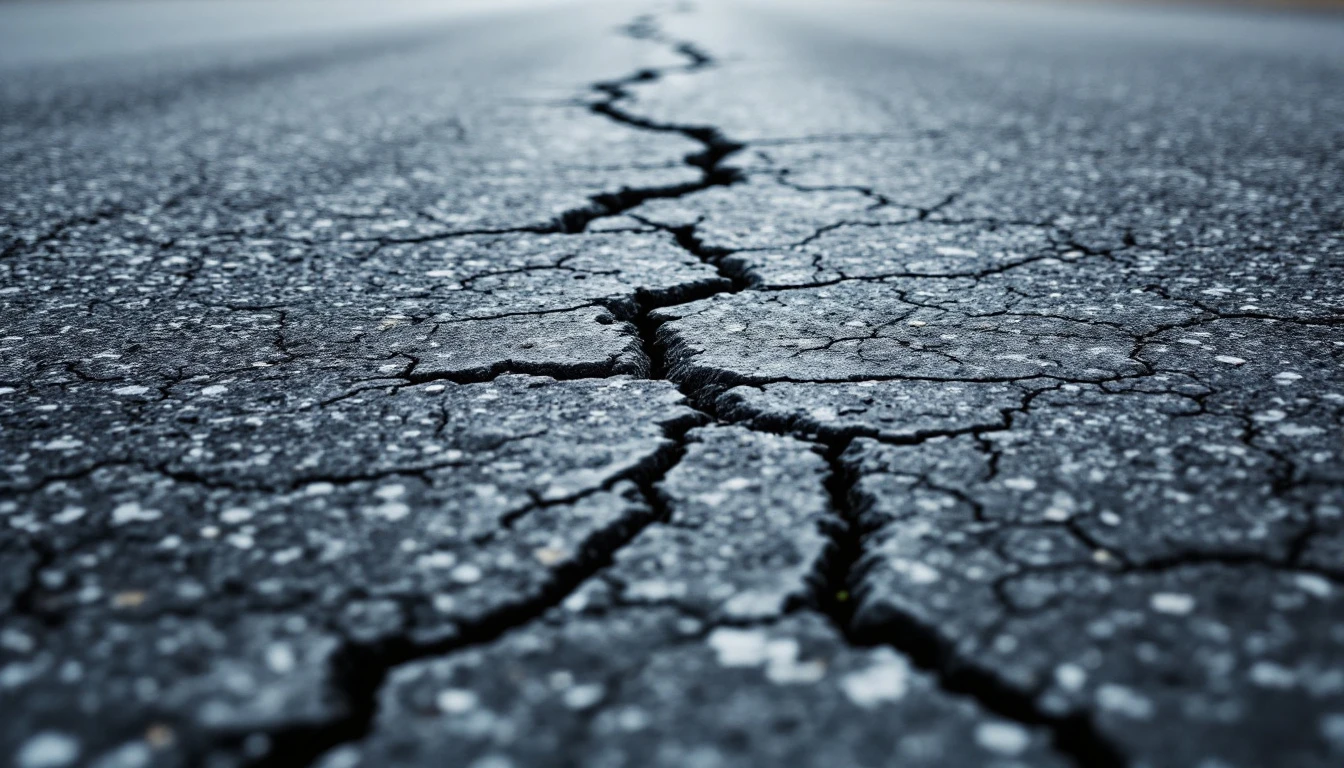
If you're staring down a cracked, patchy driveway and wondering whether it's time to replace it, you've probably already searched around and gotten a dozen different numbers. That's normal, asphalt pricing in Indiana isn't a single figure, it's a range that shifts based on where you live, what your yard looks like, and who you hire. Here's a straightforward look at what actually drives the cost, so you can walk into contractor conversations with realistic expectations instead of guesswork.
What's the Current Rate?
Across Indiana, most homeowners are paying somewhere between $4 and $8 per square foot for asphalt installation. In dollar terms, that usually shakes out to:
- $3,000 - $7,000 for a single-car driveway
- $6,000 - $12,000 for a two-car driveway
Those ranges aren't arbitrary, they reflect real differences in contractor rates, how easy or hard your property is to work with, and the grade of asphalt used. If you're in Indianapolis or another metro area, expect to land toward the higher end, labor tends to cost more where demand is heavier. Head out to a smaller town and you'll often find contractors willing to work with a tighter budget.
The Things That Actually Matter
Size and Shape of the Driveway
This is one of the most important things to consider. More square footage means more material and more labor hours, full stop. But it's not just about length, a driveway with curves, slopes, or an odd layout takes more time and skill to pour correctly, and that shows up on your invoice.
What's Underneath Matters More Than People Think
Before any asphalt goes down, the site has to be prepped like removing old materials, ground cleared, everything graded properly. Skipping or rushing this step is exactly how driveways end up cracking prematurely, which is a bigger problem in Indiana than in warmer states because of how hard our winters hit with freeze-thaw cycles.
Base Thickness
A solid driveway usually sits on 4 to 8 inches of compacted gravel base. Going thicker costs more now, but it's one of those upfront investments that pays for itself, a well-built base means fewer repairs down the road.
Local Labor Rates
Like most trades, asphalt crews charge more in cities than in rural areas. That said, paying a bit more for a crew with a strong track record is often worth it. A cheap job done poorly usually costs more in the long run.
Drainage and Permitting
Water is asphalt's enemy. If your property needs drainage work to keep water from pooling and eating away at the surface, factor that into your budget. Some municipalities also require permits or inspections before work starts, which can add both cost and time to the project.
Where the Money Actually Goes
Curious what you're paying for when a contractor hands you a quote? Roughly:
- 40 - 50% - materials (asphalt and gravel base)
- 30 - 40% - labor
- 10 - 20% - site prep and excavation
- 5 - 10% - sealing and finishing touches
Knowing this breakdown of costs makes it a lot easier to spot a quote that seems off, whether it's suspiciously cheap or padded with unnecessary line items.
A Real Example: What One Indiana Project Looked Like
One homeowner in a suburban Indiana neighborhood tackled a 600-square-foot driveway replacement. The job wasn't simple, it meant tearing out an old concrete slab, regrading the property, and pouring fresh asphalt on top.
- Total cost: $5,200
- Cost per square foot: about $8.60 (approximately)
- Extras: added drainage work and edging
That price sits above the typical average, but the drainage upgrade wasn't optional fluff. It was a preventive fix that will likely save money on water damage repairs for years to come. Sometimes paying a little more upfront is the cheaper decision long-term.
Asphalt or Concrete? Here's the Honest Comparison
This question comes up in almost every driveway conversation, so it's worth laying out plainly.
Asphalt tends to win on:
- Lower upfront cost
- Quicker installation timelines
- Better flexibility in cold Indiana winters (it doesn't crack as easily as concrete when the ground shifts)
Concrete tends to win on:
- Lasting longer overall
- Needing less regular upkeep
For most Indiana homeowners, asphalt still comes out ahead simply because it's more forgiving through our seasonal swings and easier on the wallet up front.
Practical Ways to Cut Costs Without Cutting Corners
Saving money on this project doesn't have to mean settling for a worse driveway. A few things that genuinely help:
- Get quotes from at least three local contractors before deciding
- Try to schedule the work during the off-season, when crews have more availability
- Keep the design simple, fancy curves and layouts cost extra
- Stay on top of maintenance so small issues don't turn into full repairs
None of these require sacrificing quality, they just require a bit of planning.
Don't Forget the Upkeep
A new driveway isn't a "set it and forget it" purchase. To get the most life out of it:
- Reseal every 2 - 3 years
- Fill cracks as soon as they appear, before water gets in
- Keep drainage paths clear and check them periodically
These maintenance costs are minor compared to a full replacement, which is part of why asphalt has a reputation as the budget-friendly long-term option.
Signs You Should Replace Instead of Repair
If you're dealing with widespread cracking, potholes, or standing water that won't drain, patching things up piecemeal usually stops making financial sense. At that point, full replacement is typically the smarter move. Most well-maintained asphalt driveways in Indiana last somewhere between 15 and 25 years, so if yours is well past that mark and showing its age, it's probably not a coincidence.
Picking a Right Contractor
The contractor you hire will make or break this project, so don't rush that decision. Look for a solid track record specifically with asphalt driveways in Indiana. Who gives you clear, itemized estimates not vague ballpark numbers. Watch out for reviews from actual local customers. Choose the one with Proper licensing and insurance Taking the time to pick the right from a numerous options upfront saves a lot of headaches later.
Final Thoughts
Asphalt driveway pricing in Indiana comes down to a handful of variables like size, site conditions, materials, and who's doing the labor. The averages give you a starting point, but every property is a little different, so your actual quote might land above or below the typical range. What matters most is investing in solid installation and staying consistent with maintenance afterward; that's what actually protects your investment over the 15-plus years your driveway needs to last.
Contact Drivewayz USA and discuss with our team to make the right call for your driveway project.
Frequently Asked Questions
Generally $4 to $8 per square foot, though the final number depends on your specific project.
With regular upkeep, expect 15 to 25 years before you're looking at a full replacement.
Yes, asphalt usually costs less upfront, which is a big reason it's the more popular pick among Indiana homeowners.
Every 2 to 3 years is the standard recommendation to keep the surface protected.
Extra site prep, drainage fixes, a thicker base layer, or a more complicated driveway shape.